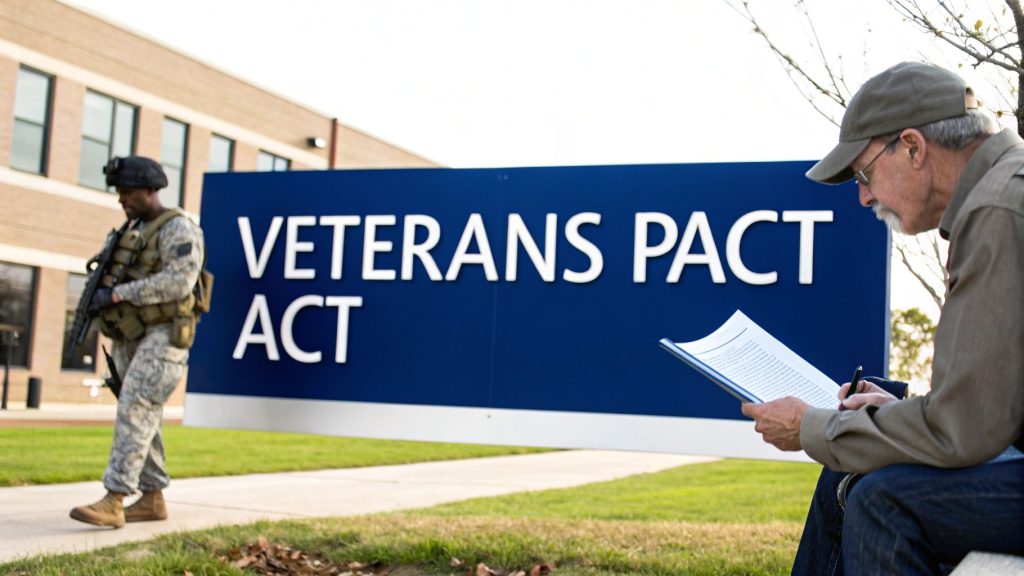

Understanding Your Rights Under the PACT Act

The Sergeant First Class Heath Robinson Honoring our Promise to Address Comprehensive Toxics (PACT) Act marks a major step forward in supporting veterans exposed to toxic substances during their service. For veterans and their families, understanding the rights and benefits provided by this legislation is essential for getting proper care and compensation. Let's examine the key parts of the PACT Act and what they mean for you.
What the PACT Act Covers
This legislation opens up VA healthcare and disability benefits to veterans who encountered burn pits, Agent Orange, and other harmful substances while serving. Many veterans who previously couldn't get benefits due to strict requirements now have a clear path to receiving support. The act adds over 20 health conditions to the list of illnesses connected to toxic exposure, which makes filing claims much simpler since veterans no longer need to prove these specific conditions are directly linked to their service.
The PACT Act also provides toxic exposure screenings at no cost for veterans enrolled in VA healthcare. These screenings help catch potential health issues early so veterans can get treatment quickly. So far, more than 5.6 million veterans have been screened, with nearly half showing signs of possible exposure. This focus on prevention and early care reflects the VA's commitment to being proactive about veterans' health.
Who Is Eligible Under the PACT Act?
Veterans who served in various locations during the Gulf War and post-9/11 periods can now access expanded benefits. The high approval rate of 74.9% for PACT Act claims shows this law is making a real difference. In fact, over 1 million veterans and their survivors have received disability benefits totaling more than $6.8 billion since the act passed.
The act covers veterans exposed to many different toxic substances, from burn pits to Agent Orange to radiation. This broad approach ensures veterans can get help regardless of which specific hazardous materials they encountered during service. The goal is to support all veterans dealing with service-related toxic exposures.
How the PACT Act Impacts Existing Benefits
For veterans already using VA healthcare, the PACT Act enhances their coverage and adds new services. Veterans dealing with ongoing health issues from toxic exposure can now access more complete care options. The act builds on existing benefits to provide better support for service-connected conditions.
Trust in the VA has grown significantly, with the VA Health Care 90-Day Trust Score reaching 91.9% – the highest ever recorded. More veterans are scheduling medical appointments and engaging with VA services, showing they feel confident about getting the care they need. The PACT Act has helped create positive changes in veteran healthcare by ensuring access to vital resources and benefits. Taking time to learn about your rights under this law is an important first step toward getting the support you've earned through your service.
Maximizing Your New Healthcare Benefits
The Veterans PACT Act has substantially expanded healthcare access and coverage for veterans. Understanding and using these new benefits effectively can make a major difference in getting the right care. Here's what you need to know about accessing and making the most of your updated healthcare options.
Streamlined Enrollment and Expanded Coverage
Getting enrolled in VA healthcare is now much simpler under the PACT Act. The new rules recognize more health conditions as being connected to military service, especially those related to toxic exposures. This means veterans spend less time proving their conditions qualify and more time getting treatment. The coverage itself is broader too – veterans can now receive care for a wider range of health issues, including problems linked to burn pits and Agent Orange exposure. These changes allow the VA to provide more targeted care based on veterans' specific needs.
Accessing Specific Services Under the PACT Act
The PACT Act opens up access to several key healthcare services that were previously limited. One major addition is free toxic exposure screenings for all enrolled veterans, which help catch potential health issues early. The Act also provides expanded mental health support, recognizing that psychological wellbeing is just as important as physical health for veterans. These screenings and mental health services work together to provide complete care that addresses both the visible and invisible effects of military service.
Navigating the System and Avoiding Pitfalls
While the PACT Act improves VA healthcare access, getting the most from the system still requires careful attention to detail. Having the right documentation ready – including service records and medical history – helps avoid delays when applying for benefits. It's also important to stay informed about any PACT Act updates by regularly checking the VA website and official communications. Think of it like planning a trip – having a good map and knowing your route makes the journey much smoother. By understanding how the system works and keeping track of important information, veterans can more effectively use their expanded healthcare benefits.
Navigating Toxic Exposure Screenings and Benefits

The Veterans PACT Act has introduced vital toxic exposure screenings as part of its expanded healthcare services. These screenings help identify potential health risks early, allowing veterans to get care before conditions become severe. This proactive approach marks an important shift from just treating current symptoms to preventing future health problems.
Understanding the Importance of Toxic Exposure Screenings
Free toxic exposure screenings are now available to all veterans enrolled in VA healthcare. The impact of these screenings is clear – over 5.6 million veterans have already been screened, with 45.1% showing signs of possible exposure. These numbers highlight how widespread toxic exposure is among veterans. Early detection through screening can make a real difference. For example, a veteran who worked near burn pits might feel fine now but could develop breathing problems years later. Finding these risks early means veterans can get treatment sooner and avoid more serious issues.
Identifying Potential Exposure Risks
Many veterans may not realize all the ways they could have been exposed to harmful substances during service. The PACT Act covers more than 20 medical conditions linked to toxic exposure, including specific types of cancer and breathing problems. The sources of exposure are wide-ranging – from burn pits and Agent Orange to radiation and industrial chemicals. This means veterans who served in support roles, not just combat positions, may have been exposed. Understanding these risks is essential for getting proper care.
Connecting Screenings to Benefits
A toxic exposure screening can directly affect what benefits a veteran can receive under the PACT Act. When a screening shows a covered condition, it's much easier to get a claim approved since veterans don't have to prove the connection between their service and their illness. This helps explain why 74.9% of PACT Act claims are approved. Even if a screening doesn't find an immediate issue, the results provide key information for future health monitoring and possible claims. That's why getting screened is important for all veterans, whether they have symptoms or not.
Taking Action and Next Steps
Getting a toxic exposure screening is simple. Veterans in VA healthcare can schedule one with their regular doctor or local VA facility. For those not yet in VA healthcare, the PACT Act has made it easier to sign up for coverage. After the screening, it's important to stay informed about new PACT Act updates and resources. The VA website provides current information, and veteran service groups can help navigate the benefits process. By taking these steps, veterans can make sure they receive all the care and benefits they've earned through their service.
Understanding Camp Lejeune Claims and Compensation
The PACT Act extends beyond addressing toxic exposures like burn pits and Agent Orange – it creates a path forward for those affected by contaminated water at Camp Lejeune. Through the Camp Lejeune Justice Act included in the PACT Act, victims now have new options for seeking compensation.
Who Qualifies for Camp Lejeune Compensation?
Anyone who spent 30 days or more at Camp Lejeune between August 1, 1953 and December 31, 1987 and developed certain health conditions may be eligible to file a claim – not just veterans. This includes family members, civilian workers, and even children born on the base during that period. The broader eligibility recognizes that the contaminated water impacted the entire Camp Lejeune community.
Navigating the Camp Lejeune Claims Process
Camp Lejeune claims follow a different path than standard VA benefits – they must be filed through the federal court system, specifically in the Eastern District of North Carolina. This means working through specific legal procedures rather than the typical VA disability claims process.
Building a Strong Camp Lejeune Claim
A successful claim needs clear documentation. First, you must prove you were at Camp Lejeune during the specified timeframe using records like military service documents, employment files, or utility bills. Medical records showing diagnosed conditions linked to the water contamination are also essential.
Common Pitfalls to Avoid in Camp Lejeune Litigation
The federal court process can be challenging to manage alone. Missing deadlines or submitting incomplete documentation could hurt your case. That's why working with a lawyer who understands toxic exposure cases and the Camp Lejeune Justice Act is so important. Think of it like having an expert guide – they know the terrain and can help you avoid costly mistakes.
Seeking Legal Help for Your Camp Lejeune Claim
The Camp Lejeune Justice Act offers a historic chance for victims to seek justice and compensation. While resources exist to help veterans and families understand the process, having experienced legal representation can make a real difference. A knowledgeable attorney can guide you through the complex requirements and help build the strongest possible case.
Filing Your PACT Act Claim for Success

Filing a PACT Act claim might seem complex at first, but breaking it down into clear steps makes the process much more manageable. With proper preparation and the right approach, you can build a strong case for your benefits claim. Let's explore the key steps to help you submit an effective PACT Act claim.
Gathering Essential Documentation
Strong documentation forms the backbone of every successful claim. Start by collecting your military service records, particularly your DD214, which confirms your service dates and locations. Next, compile all medical records that show your diagnosed conditions, including both VA and private healthcare records. These documents create a clear link between your service and current health issues. The more thorough your medical documentation, the better positioned you'll be to support your claim.
Presenting Your Evidence Effectively
After gathering your documents, focus on organizing them in a way that tells your story clearly. Create a detailed timeline showing when and where you served, highlighting any periods of potential toxic exposure. Then, connect these service details directly to your medical history. For example, if you developed breathing problems after serving near burn pits, make this connection explicit in your claim. This organized approach helps VA reviewers quickly understand how your service relates to your current health conditions.
Seeking Assistance With Your Application
Don't hesitate to ask for help with your claim. Accredited Veteran Service Officers (VSOs) provide free guidance throughout the process. These experts know exactly what documentation you need and how to present it effectively. They can review your application for completeness, explain complex requirements, and serve as your advocate through the process. Working with a VSO is like having an experienced guide who knows all the potential pitfalls to avoid.
Understanding Why Some Claims Succeed While Others Face Delays
Success often comes down to attention to detail and clear presentation. Claims get delayed when they're missing key documents or when the connection between service and health issues isn't clearly explained. Think of your claim like putting together a puzzle – every piece needs to fit perfectly to complete the picture. The current 74.9% approval rate for PACT Act claims shows that well-prepared applications have good odds of success. The VA has already processed over 1.5 million PACT Act claims and awarded more than $6.8 billion in benefits. By taking time to prepare thoroughly and getting help when needed, you can improve your chances of joining the many veterans who've successfully secured their earned benefits.
Securing Your Future VA Care and Benefits
Whether you've just started receiving VA benefits through the PACT Act or have been in the system for years, taking proactive steps to secure your long-term care is essential. Success within the VA system requires staying informed, building strong relationships with providers, and knowing how to advocate for your needs.
Staying Informed About Changes and Updates
Veterans benefits are continually evolving as new policies and programs emerge. The PACT Act shows how new legislation can bring major improvements to veteran care and compensation. To stay current, make the VA website your first stop for official updates and policy changes. Sign up for VA newsletters or follow their social media channels for timely information. Veterans service organizations also help spread the word about important changes. Think of it like maintaining a car – regular check-ups and staying on top of maintenance schedules keep everything running smoothly. The same applies to staying engaged with VA resources to ensure you get the best possible care.
Building a Strong Relationship with Your VA Healthcare Team
Good communication with your VA healthcare providers makes a big difference in getting personalized, effective care. Be open about your health concerns, ask questions about treatments, and promptly report any changes in your condition. For instance, if you notice new symptoms that might relate to past toxic exposures, let your doctor know right away so they can evaluate and address them. Regular check-ups and following medical guidance helps build trust with your healthcare team, enabling them to provide better support over time. When both you and your providers stay actively involved, it leads to better health outcomes.
Advocating for Your Needs within the VA System
While the VA works to provide quality care, sometimes veterans need to speak up for their needs within this large system. This could mean appealing a denied claim, getting a second medical opinion, or requesting specific services. Start by understanding your rights under the PACT Act. If you run into challenges, Veterans Service Organizations can guide you through the process. These organizations know the VA system well and can help with claims, appeals, and benefit issues. Think of them as experienced guides who can help you navigate complex procedures and make sure your voice gets heard.
Planning for Long-Term Healthcare Needs
The PACT Act has made it easier to get care for conditions linked to toxic exposure, which often affect health over many years. That's why looking ahead and planning for future healthcare needs matters so much. Talk with your healthcare provider about long-term care options, learn about available VA benefits, and build a support network. Look into services like VA home healthcare, assisted living programs, or geriatric care that might help as your needs change. Making plans now helps you stay independent and maintain quality of life as your healthcare needs evolve. Remember that securing your future VA care takes ongoing attention to staying informed, maintaining provider relationships, and speaking up for your needs.
Homefront Group helps veterans like you get the most from their VA benefits. They provide legal and professional help with PACT Act claims, appeals, and other VA-related matters. Learn more about how Homefront Group can support you at https://homefrontgroup.com/.