

Understanding VA Presumptive Conditions
Navigating the often complex world of VA disability claims can be challenging for veterans. Establishing a direct service connection between a current health condition and time served often requires extensive documentation and a lengthy process. Fortunately, the VA recognizes certain conditions are strongly linked to military service—due to environmental exposures, the inherent risks of combat, or other service-related factors—and proving a direct connection shouldn't be a barrier to receiving deserved benefits. This is where VA presumptive conditions come in.
The concept of presumptive conditions stems from the understanding that some illnesses are statistically more common in veterans than in the general population, suggesting a strong correlation with military service. Historically, certain exposures, like Agent Orange during the Vietnam War or burn pits in the Middle East, have led to debilitating health issues for veterans years after their service ended. Acknowledging this, the VA created the presumptive conditions list to simplify the claims process for veterans suffering from these specific ailments.
An effective presumptive conditions list ensures veterans don't have to expend valuable time and resources proving a connection that is statistically and scientifically evident. This provides faster access to essential healthcare, financial support, and much-needed peace of mind.
What Presumptive Conditions Mean For You
This article explores the vital role of the VA presumptive conditions list and what it means for veterans, first responders, and surviving family members. You'll learn how these presumptions work, who qualifies, and what this could mean for pursuing disability benefits. While we won't cover the specific conditions in this section, we'll provide the foundational knowledge needed to navigate this critical aspect of the VA claims process.
Whether you are appealing a denied claim, dealing with the aftermath of toxic exposure, or simply planning for the future, understanding VA presumptive conditions is a vital step towards securing the benefits you have earned.
Agent Orange-Related Conditions

The Department of Veterans Affairs (VA) recognizes a list of illnesses presumed to be caused by exposure to Agent Orange and other herbicides used during the Vietnam War. This presumptive service connection is vital for veterans who served in Vietnam between 1962 and 1975, as well as other locations where these herbicides were used.
This presumption eliminates the need for veterans to prove a direct link between their service and these conditions. This simplifies the disability claims process, ensuring veterans receive necessary healthcare and compensation.
Why This Matters for Veterans
This presumptive service connection acknowledges the long-term health impacts of herbicide exposure. It significantly reduces the burden of proof for veterans seeking care. Without this presumption, proving a connection between their conditions and their service would be incredibly challenging, often requiring extensive medical documentation and expert testimony.
Features and Benefits
- Automatic Service Connection: Veterans diagnosed with a presumptive condition receive automatic service connection for their disability claims.
- Broad Range of Conditions: The list includes various serious illnesses, including several types of cancer (such as non-Hodgkin's lymphoma, bladder cancer, and prostate cancer), type 2 diabetes, Parkinson's disease, ischemic heart disease, and peripheral neuropathy.
- Streamlined Claims Process: This presumption significantly speeds up the claims process, minimizing stress and wait times.
- Comprehensive Care and Compensation: Veterans with service-connected conditions qualify for healthcare services and disability compensation through the VA.
Pros and Cons of the Presumptive List
Understanding both the advantages and disadvantages of the current presumptive list can help veterans navigate the system effectively.
| Pros | Cons |
|---|---|
| Eases the burden of proof for veterans | Not all conditions potentially linked to Agent Orange are included on the presumptive list. |
| Provides access to vital healthcare and financial support | Veterans must still prove they served in designated areas where Agent Orange was used. |
| Acknowledges the government's responsibility for health consequences | Scientific debate continues regarding the link between Agent Orange and certain conditions. |
Historical Context and Advocacy
Recognition of Agent Orange-related conditions has evolved considerably, thanks largely to the persistent advocacy of groups like the Vietnam Veterans of America. The Agent Orange Act of 1991 was a landmark achievement, formally establishing the presumptive connection for certain conditions. The PACT Act of 2022 further expanded coverage, adding conditions like bladder cancer, hypothyroidism, and Parkinsonism, reflecting ongoing research and advocacy efforts. The early inclusion of Non-Hodgkin's Lymphoma was a key moment, setting the stage for future additions.
Practical Tips for Veterans
- Maintain Service Records: Keep copies of all military records documenting service in areas where Agent Orange was used. This is essential for establishing eligibility.
- Regular Medical Screenings: Undergo regular medical checkups to promote early detection of potential Agent Orange-related conditions.
- Thorough Documentation: When filing a claim, provide the VA with all pertinent medical documentation related to your condition.
This issue is critical to the VA presumptive conditions list as it signifies a major step forward for veterans affected by toxic exposure. It provides access to crucial care and benefits, recognizing the enduring health impacts of their service. While challenges remain, the continued expansion of the presumptive list provides hope for future recognition of other Agent Orange-related conditions. For more information, visit the VA website.
Gulf War Syndrome

Gulf War Syndrome is a crucial addition to the VA presumptive conditions list. Its complex nature and significant impact on veterans of the 1990-1991 Gulf War necessitate this inclusion. The condition involves a range of chronic, medically unexplained symptoms. These symptoms are presumed to be linked to service in the Southwest Asia theater of operations. This includes Iraq, Kuwait, Saudi Arabia, and surrounding areas.
The VA categorizes these conditions as "undiagnosed illnesses" or "medically unexplained chronic multisymptom illnesses" for disability compensation. This recognition is crucial for veterans experiencing debilitating symptoms without a clear medical diagnosis.
Features of Gulf War Syndrome
-
Varied Symptoms: Symptoms can range from fatigue and pain to cognitive difficulties, sleep disturbances, rashes, and respiratory issues. There is no single identifiable medical cause.
-
Recognized Conditions: While not a diagnosis itself, Gulf War Syndrome can include conditions like chronic fatigue syndrome, fibromyalgia, and functional gastrointestinal disorders.
-
Symptom Onset: Symptoms must have appeared during active duty in the Southwest Asia theater or before December 31, 2026.
-
Disability Rating: The condition must have a minimum 10% disability rating to qualify for VA disability compensation.
Pros of Presumptive Service Connection
-
Validation of Health Struggles: Presumptive status validates the health challenges faced by Gulf War veterans. It acknowledges the potential link between their service and these often debilitating symptoms.
-
Compensation for Unexplained Symptoms: It allows veterans to receive compensation for symptoms that might otherwise be dismissed due to a lack of clear diagnosis.
-
Simplified Service Connection: Veterans don't need to prove a direct link between their service and their symptoms, easing the burden of proof.
-
Broad Symptom Coverage: The presumptive list covers a wide range of symptoms, acknowledging the diverse nature of Gulf War illnesses.
Cons and Challenges
-
Documentation Difficulties: The lack of clear diagnostic criteria can make documenting the condition for VA claims challenging.
-
Overlapping Symptoms: Symptoms can overlap with other medical conditions, potentially complicating the claims process and leading to delays or denials.
-
Limited Scientific Understanding: The exact causes of Gulf War Syndrome remain largely unknown, which can contribute to skepticism and challenges in accessing appropriate medical care.
-
VA Claims Process: Navigating the VA claims process can be complex and frustrating, often requiring persistence and multiple appeals.
Examples of Presumptive Conditions
- Chronic Fatigue Syndrome: Recognized as a presumptive condition in 1994.
- Functional Gastrointestinal Disorders: Coverage expanded in 2011.
Tips For Veterans Pursuing Claims
-
Detailed Records: Maintain comprehensive records of all symptoms, onset dates, and medical treatments.
-
Specialized Healthcare: Consult with healthcare providers experienced with Gulf War illnesses.
-
Buddy Statements: Gather statements from fellow service members who witnessed your symptoms during service in the Southwest Asia theater.
-
Persistence: Be prepared for a potentially lengthy claims process and remain persistent.
Increased Awareness and Advocacy
Organizations like the Research Advisory Committee on Gulf War Veterans' Illnesses, the Gulf War Veterans' Illnesses Task Force, and the National Gulf War Resource Center have significantly increased awareness. They advocate for research and support for affected veterans. Their work has been essential in securing presumptive status for certain conditions and continues to support veterans. Searching online for these organizations offers valuable resources and information.
Radiation Exposure and Veterans: Understanding Presumptive Conditions
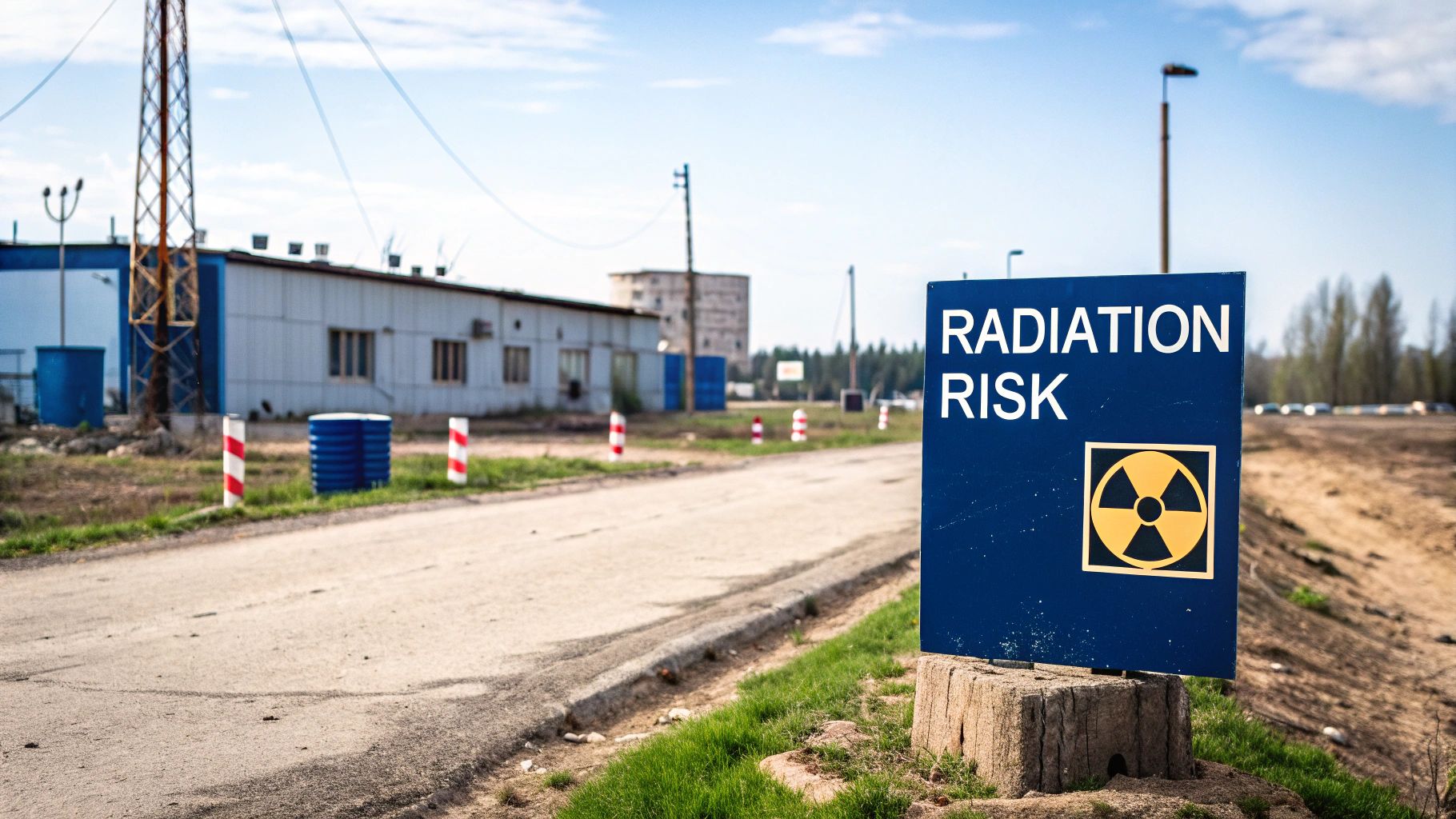
Military service can involve unique health risks, including exposure to radiation. The VA acknowledges this through its presumptive conditions list for radiation exposure, linking service with specific medical issues. This recognition is particularly important for veterans involved in atmospheric nuclear testing, present in Hiroshima or Nagasaki post-bombing, or those who were prisoners of war in Japan. Other radiation risks, such as exposure to X-ray equipment or nuclear reactors, are also considered. Due to the severity and often-delayed onset of radiation-related illnesses, this category holds a vital place on the presumptive conditions list.
This presumptive service connection encompasses a broad range of conditions. These include specific cancers like leukemia, multiple myeloma, and thyroid cancer, as well as various non-malignant conditions. Eligibility and the need for dose estimates vary depending on the nature of the radiation exposure. For instance, requirements differ for veterans present in Hiroshima or Nagasaki shortly after the bombings compared to those involved in nuclear tests in Nevada or the Pacific. Critically, there's no time limit on when these diseases might appear, acknowledging the extended latency period of radiation-induced illness.
Benefits of Presumptive Service Connection
- Comprehensive Coverage: The list includes numerous cancers and non-malignant conditions scientifically linked to radiation exposure.
- Tailored Eligibility: Requirements are adjusted based on the specific circumstances of a veteran’s radiation exposure.
- No Time Limit: Recognizing the long latency period, there's no restriction on when these diseases can manifest for eligibility.
Advantages of the VA's Approach
- Long-Term Health Recognition: The VA acknowledges the serious and often delayed health consequences of radiation.
- Compensation for Serious Conditions: The program provides benefits for rare but often debilitating conditions requiring substantial medical care.
- Recognition of Atomic Veterans: The unique service circumstances and risks faced by atomic veterans are specifically acknowledged.
- Ongoing Updates: The VA continually reviews and updates the list based on evolving scientific research.
Challenges in the Claims Process
- Documentation Difficulties: Gathering sufficient evidence of exposure can be challenging, especially for events decades past.
- Dose Reconstruction: Determining the precise radiation dose received can be complex and time-consuming.
- Dose Thresholds: Some conditions require meeting minimum radiation dose thresholds, presenting hurdles for some veterans.
- Limited Awareness: Many veterans are unaware of their potential eligibility for these benefits.
Real-World Examples of Coverage
- Multiple Myeloma Recognition: Atomic veterans involved in atmospheric nuclear testing can receive benefits for multiple myeloma.
- Coverage for Nuclear Test Site Veterans: Benefits extend to veterans serving at sites like the Nevada Test Site or Pacific Proving Grounds, even without a specific cancer diagnosis.
Advocacy and Legislation
The inclusion of radiation exposure conditions on the presumptive list resulted from dedicated advocacy by groups like the National Association of Atomic Veterans. Legislation, including the Radiation Exposure Compensation Act (RECA) and the Veterans' Dioxin and Radiation Exposure Compensation Standards Act, further solidified the recognition of these conditions and the need for compensation.
Tips for Veterans Seeking Benefits
- Ionizing Radiation Registry: Participate in the VA’s Ionizing Radiation Registry to document exposure and potential health effects.
- Gather Service Records: Collect all service records documenting radiation risk activities, including orders, assignments, and exposure incident documentation.
- Seek VSO Assistance: Veteran service organizations (VSOs) offer invaluable guidance and support during the claims process.
- Detailed Medical History: Provide a comprehensive medical history detailing the development and progression of any related conditions.
This information is vital for veterans who suspect they suffer from conditions linked to radiation exposure during their service. Understanding the complexities of this category within the presumptive conditions list is the first step toward receiving deserved benefits and care. While challenges exist, the potential benefits are significant, and persistence is crucial.
The PACT Act and Respiratory Conditions
The Sergeant First Class Heath Robinson Honoring Our Promise to Address Comprehensive Toxics (PACT) Act of 2022 significantly expands healthcare and benefits for veterans exposed to burn pits and other airborne hazards. This landmark legislation is especially important for post-9/11 veterans, as it recognizes the link between respiratory illnesses and toxic exposures in areas like Southwest Asia and Afghanistan. Now, veterans with specific conditions no longer need to prove a direct service connection, streamlining the claims process.
Covered Conditions
The PACT Act covers a wide range of respiratory conditions:
- Asthma
- Chronic bronchitis
- Chronic Obstructive Pulmonary Disease (COPD)
- Constrictive bronchiolitis
- Emphysema
- Rhinitis
- Sinusitis
- Other respiratory illnesses determined by the VA
Significance of the PACT Act
Previously, veterans faced significant challenges proving the link between respiratory problems and their service. The PACT Act removes this burden of proof for qualifying conditions, finally acknowledging the widespread use of burn pits and other toxic practices. This represents a major victory for veterans who have long fought for deserved care and benefits.
Key Features and Benefits
- Burn Pit and Airborne Hazard Exposure: Recognizes the health consequences of these exposures.
- Comprehensive Coverage: Includes a broad range of respiratory and lung conditions.
- Streamlined Claims: Eliminates the need to establish direct causation.
- Expanded Eligibility: Extends benefits to veterans who served in specific locations and timeframes.
Advantages of the PACT Act
- Expands VA benefits for post-9/11 veterans.
- Addresses previously overlooked toxic exposures.
- Reduces bureaucratic obstacles.
- Increases access to specialized care.
Challenges of the PACT Act
- Ongoing implementation may cause processing delays.
- Some conditions may require further documentation.
- Limited public awareness of qualifications.
- Research on some conditions is still developing.
Real-World Impact
- Recognition of constrictive bronchiolitis in Iraq veterans exposed to burn pits.
- Approval of asthma claims for Afghanistan veterans with no prior history.
The Path to Popularity
The PACT Act is a result of years of advocacy by veterans' organizations, individuals like Jon Stewart, and affected families. Burn Pits 360, a prominent veterans' organization, played a key role. President Biden's personal connection to the issue, highlighting the potential link between burn pit exposure and his son Beau's cancer, brought it further national attention.
Advice for Veterans
- Pulmonary Function Testing: Document the extent of any respiratory impairment.
- Maintain Deployment Records: Keep records of locations and proximity to burn pits.
- Gather Buddy Statements: Corroborating evidence from fellow service members can be helpful.
- Join the Airborne Hazards and Open Burn Pit Registry: Track long-term health effects and receive updates. (Visit www.publichealth.va.gov/exposures/burnpits/registry.asp)
The PACT Act addresses the needs of veterans with respiratory conditions potentially linked to toxic exposures. By providing access to healthcare and benefits, the Act signifies a critical step towards recognizing and addressing the health impacts of military service.
Camp Lejeune Water Contamination: A Guide for Veterans and Families
The Camp Lejeune water contamination represents a grave instance of environmental injustice, impacting thousands of veterans, their families, and civilian workers. This post explains the presumptive conditions linked to the contamination, why it's important for veterans to understand them, and how to navigate the claims process.
Between 1953 and 1987, the drinking water at Marine Corps Base Camp Lejeune in North Carolina was tainted with harmful chemicals. These included volatile organic compounds (VOCs) like trichloroethylene (TCE) and perchloroethylene (PCE). Exposure to these toxins is linked to several serious health issues. Due to the widespread impact and proven connection, the VA has established a list of presumptive conditions for Camp Lejeune. This means veterans no longer need to prove direct causation between their service and their illness.
What Are the Presumptive Conditions?
The eight presumptive conditions for Camp Lejeune water contamination are:
- Adult leukemia
- Aplastic anemia and other myelodysplastic syndromes
- Bladder cancer
- Kidney cancer
- Liver cancer
- Multiple myeloma
- Non-Hodgkin's lymphoma
- Parkinson's disease
Who Is Eligible?
Veterans, reservists, and National Guard members who served at Camp Lejeune for at least 30 cumulative days between August 1, 1953, and December 31, 1987, are eligible for healthcare benefits if diagnosed with a presumptive condition. Family members who resided at Camp Lejeune for at least 30 days during the same period are also eligible for healthcare benefits through the Camp Lejeune Family Member Program. However, they are not eligible for disability compensation.
Available Benefits
Eligible individuals can receive healthcare benefits and disability compensation for presumptive conditions. Removing the burden of proof simplifies the claims process.
Pros and Cons of the Presumptive Conditions
Here's a quick look at the advantages and disadvantages of the current system:
| Pros | Cons |
|---|---|
| Acknowledges a significant environmental exposure. | Limited to the specific timeframe and location (Camp Lejeune). |
| Simplifies access to medical care. | Some potentially related conditions aren't on the presumptive list. |
| Provides compensation for serious health conditions. | Requires documentation of service at Camp Lejeune. |
| Expanded coverage through the PACT Act. | Family member claims process differs from the veteran process. |
The Fight for Recognition and the PACT Act
The struggle for recognition of the Camp Lejeune water contamination has been lengthy and challenging. Advocates like Jerry Ensminger, a retired Marine whose daughter died of leukemia linked to the contamination, and the documentary "Semper Fi: Always Faithful" brought national attention to the issue. The Camp Lejeune Justice Act of 2022, part of the broader PACT Act, allows for additional legal claims outside the VA system for those harmed. The recognition of bladder cancer as a presumptive condition, for example, resulted in retroactive benefits for many veterans.
Tips for Filing a Claim
- Gather Service Records: Compile military orders, base housing records, or other proof of your time at Camp Lejeune.
- Maintain Medical Records: Keep detailed documentation of your condition's diagnosis and progression.
- Explore All Legal Avenues: Consider both VA disability claims and separate legal claims under the Camp Lejeune Justice Act with a qualified attorney.
- Family Member Program: Family members should apply through the Camp Lejeune Family Member Program on the VA website.
Why This Matters
The Camp Lejeune water contamination underscores the importance of acknowledging and addressing the long-term health effects of environmental exposures during military service. Understanding the presumptive conditions, eligibility, and claims process is crucial for veterans and their families seeking the benefits they deserve. The PACT Act's expansion of coverage demonstrates continued efforts to address this vital issue.
Chronic B-Cell Leukemias and VA Benefits
Chronic B-cell leukemias, including chronic lymphocytic leukemia (CLL) and hairy cell leukemia, are slow-growing blood cancers affecting B lymphocytes, essential white blood cells for immune function. These conditions are on the VA presumptive conditions list due to their link to military service, particularly exposure to hazardous substances like Agent Orange. This means veterans diagnosed with these conditions don't need to prove a direct service connection for VA benefits, streamlining the claims process.
This presumptive status is vital for veterans. It recognizes the scientifically proven link between these cancers and military service, removing the burden of proof from veterans, especially those who served decades ago and now face a complex illness. This recognition is crucial for disability compensation and specialized healthcare.
Benefits of Presumptive Status
-
Simplified Claims: Veterans with CLL or hairy cell leukemia don't need to prove a direct link between their illness and service, saving time and stress.
-
Specialized Care: VA healthcare offers comprehensive treatment, often involving experienced hematologist-oncologists.
-
Financial Support: VA disability ratings offer financial aid, helping veterans and families cope with the economic impact of the disease and treatment.
-
Early Treatment: Early detection and treatment are vital for managing these leukemias. Presumptive status encourages veterans to seek care, improving their prognosis.
Pros and Cons of Presumptive Status for Leukemias
| Pros | Cons |
|---|---|
| Streamlined VA claims process | Early symptoms can be subtle and difficult to detect |
| Improved outcomes with early diagnosis and treatment | Treatment can be lengthy and have challenging side effects |
| Access to specialized VA care | Navigating medical terminology and the claims process can be complex |
| Vital financial assistance through disability ratings | Some leukemia subtypes may face increased scrutiny in claims |
Recognition of Chronic B-Cell Leukemias
The inclusion of chronic B-cell leukemias on the Agent Orange presumptive list resulted from extensive research and advocacy.
-
2010: CLL added to the Agent Orange presumptive list.
-
2019: Coverage expanded to include Blue Water Navy Vietnam veterans.
These advancements are thanks to the Institute of Medicine's scientific reports and advocacy by organizations like the Leukemia & Lymphoma Society and Vietnam Veterans of America.
Practical Tips for Veterans
-
Regular Blood Tests: Routine blood work can help detect these leukemias early.
-
Specialized Care: Consult hematologist-oncologists experienced in treating CLL and hairy cell leukemia, ideally within the VA system.
-
Documentation: Keep detailed records of symptoms, diagnoses, and treatment to support your VA claim.
-
Support Organizations: Connect with groups like the Leukemia & Lymphoma Society and Vietnam Veterans of America for resources and support.
This presumptive condition is critical because it acknowledges the sacrifices and health risks faced by veterans exposed to hazardous substances. It provides access to essential healthcare and financial support, allowing veterans to focus on their well-being. While navigating these conditions can be challenging, understanding the presumptive status and using available resources can empower veterans to receive their deserved benefits.
Amyotrophic Lateral Sclerosis (ALS)

Amyotrophic Lateral Sclerosis (ALS), also known as Lou Gehrig's disease, is a progressive neurodegenerative disease. It affects nerve cells in the brain and spinal cord, causing muscle weakness, atrophy, and ultimately, paralysis. The VA’s inclusion of ALS on its presumptive conditions list is critically important for veterans, offering essential support and benefits.
For veterans with at least 90 continuous days of active service, ALS is presumed to be service-connected. This applies regardless of when or where they served. This presumption removes the substantial burden of proving a direct service connection between military service and the onset of ALS.
Why ALS is on the Presumptive List
The presumptive service connection acknowledges the higher occurrence of ALS among veterans than in the general population. While research continues into the precise reasons for this increased risk, the VA’s recognition simplifies the claims process. This ensures veterans receive prompt care and compensation.
Benefits and Features of VA Coverage for ALS
- Progressive Degeneration: ALS steadily weakens and atrophies muscles, affecting vital functions like speaking, swallowing, and breathing.
- Low Service Requirement: The 90-day service requirement makes presumptive benefits accessible to a broad range of veterans.
- 100% Disability Rating: A 100% disability rating is automatically granted, reflecting the severe and debilitating nature of ALS. This rating provides significant financial support.
- VA Healthcare: Veterans receive access to specialized care through ALS clinics at major VA medical centers.
- Financial Assistance: The 100% disability rating guarantees monthly compensation to help veterans and their families manage the financial strain of ALS.
- Adaptive Equipment and Home Modifications: The VA offers adaptive equipment and support for necessary home modifications to improve quality of life.
- Supplemental Benefits: Veterans might qualify for additional benefits, such as Aid and Attendance, to provide further financial assistance for caregivers.
Advantages and Disadvantages of the VA System
Advantages:
- Immediate access to comprehensive VA healthcare and specialized ALS clinics
- Substantial financial aid through 100% disability compensation
- Support for adaptive equipment, home modifications, and caregivers
Disadvantages:
- The rapid disease progression necessitates frequent adjustments to care plans.
- Care coordination between VA and civilian healthcare providers can be complicated.
- Currently, effective treatment options remain limited.
- Caregivers frequently experience significant physical and emotional strain, often requiring substantial support.
Raising Awareness of ALS
ALS entered public awareness through individuals like Lou Gehrig, the famed baseball player whose career was cut short by the disease, and Stephen Hawking, the renowned physicist who lived with ALS for decades. The ALS Association’s Ice Bucket Challenge dramatically increased awareness and research funding. The advocacy of veterans like Retired Air Force Technical Sergeant Daniel Gamez was instrumental in advocating for presumptive service connection, culminating in its inclusion in 2008 following research revealing higher ALS rates among veterans.
Helpful Advice for Veterans
- Expedited Claims: Due to the progressive nature of ALS, request expedited claim processing for timely benefit access.
- Specialized Clinics: Enroll in specialized ALS clinics for expert, multidisciplinary care designed for veterans with ALS.
- Specially Adapted Housing Grant: Apply early for the VA’s Specially Adapted Housing Grant to modify homes to meet the evolving needs of veterans with ALS.
- Clinical Trials: Participate in clinical trials through both the VA and civilian healthcare systems to explore potential new treatments.
The presumptive service connection for ALS is a crucial resource for veterans facing this challenging disease. Understanding the benefits and available resources can empower veterans with ALS to receive the support they need and deserve.
7-Point VA Presumptive Conditions Comparison
| Health Condition | 🔄 Implementation Complexity | ⚡ Resource Requirements | 📊 Expected Outcomes | ⭐ Key Advantages |
|---|---|---|---|---|
| Agent Orange-Related Conditions | Low to Moderate – Streamlined claims for eligible veterans with geographic verification required | Moderate – Military service records and basic medical documentation | Automatic service connection with disability compensation for multiple recognized conditions | Broad presumptive list; reduces burden of proof |
| Gulf War Syndrome | High – Varies due to medically unexplained, chronic multisymptom presentations; diagnosis can be challenging | High – Requires extensive documentation of symptoms and detailed medical records | Compensation for a wide range of chronic symptoms that might otherwise be dismissed | Recognizes complex, multisymptom illnesses without requiring strict causation proof |
| Radiation Exposure Conditions | High – Involves dose reconstruction and verification of specific exposure circumstances | High – Detailed service records and exposure documentation are needed | Compensation for rare, serious conditions linked to ionizing radiation exposure | Acknowledges long-term health impacts unique to radiation and nuclear exposures |
| PACT Act-Related Respiratory Conditions | Moderate – Simplified claims process although implementation is evolving and may face occasional delays | Moderate – Requires deployment records proving proximity to burn pits and supporting pulmonary function tests | Expanded healthcare and benefits for a range of respiratory conditions related to toxic exposures | Reduced bureaucracy with broader eligibility for veterans exposed to airborne hazards |
| Camp Lejeune Water Contamination Conditions | Moderate – Requires proof of service during a specified timeframe and location | Moderate – Service documentation along with medical records confirming presumptive conditions | Streamlined access to healthcare and compensation for affected veterans and eligible family members | Comprehensive coverage addressing a significant environmental exposure with additional legal support |
| Chronic B-Cell Leukemias | Moderate – Early and subtle symptoms require specialized diagnosis and careful monitoring | Moderate – Regular blood tests and detailed documentation of clinical findings | Easier claim approval through presumptive status, facilitating access to specialized care | Simplified service connection for recognized blood cancers linked to toxic exposures |
| Amyotrophic Lateral Sclerosis (ALS) | Low – Presumptive status granted with only 90 days of service; minimal complexity in establishing eligibility | Low – Standard military service records suffice | Immediate 100% disability rating leading to comprehensive benefits and expedited healthcare access | Broad presumptive coverage with automatic, expedited access to financial and medical support |
Navigating the VA Presumptive Conditions List
The VA presumptive conditions list is a vital resource for veterans seeking benefits. Conditions like Agent Orange exposure, Gulf War Syndrome, radiation exposure, and illnesses related to the PACT Act, such as respiratory illnesses, as well as Camp Lejeune water contamination, chronic B-cell leukemias, and ALS are included. Understanding this list is paramount to a successful claim.
One key principle is recognizing that the list is constantly evolving. New research and legislation, like the recent PACT Act, continually shape its contents. Each condition also has specific criteria for presumptive service connection. A successful claim hinges on meeting these specific requirements.
Applying these concepts takes diligent research and thorough documentation. Your service history and medical records are essential pieces of the puzzle. A clear understanding of the VA claims process is equally important.
Staying Informed About VA Presumptive Conditions
Learning and adapting are vital in the claims process. Stay informed about updates to the presumptive conditions list through official VA channels, veteran service organizations, and reputable legal resources.
Ongoing trends show an expansion of the list. More conditions related to toxic exposure and military service are being included, as evidenced by the PACT Act. Future developments will likely incorporate emerging scientific understanding of the long-term health effects of military service. This could lead to even more presumptive conditions being added.
Key Takeaways for VA Claims
- The VA presumptive conditions list is dynamic and subject to change.
- Meeting the specific criteria for each condition is crucial.
- Staying informed about updates and new legislation is essential.
- Consulting with experts can significantly improve your chances of a successful outcome.
Navigating VA claims can be challenging. Homefront Group, founded by a former Navy JAG, is dedicated to empowering veterans and first responders. We offer specialized legal and professional services to help you secure the benefits you’ve earned.
Our team of veteran lawyers and client advocates provides empathetic and expert assistance. We handle a range of issues, from VA appeals and toxic exposure claims to personal injury and estate planning. With $45 million in pending claims for injured veterans and nationwide support, we’re ready to fight for you. Take our free 3-minute quiz to identify your qualifying benefits. Let us build a tailored strategy to meet your unique needs. Don't navigate this journey alone. Empower your future with Homefront Group. Start your journey today.