
The Reality of Military Burn Pit Exposure

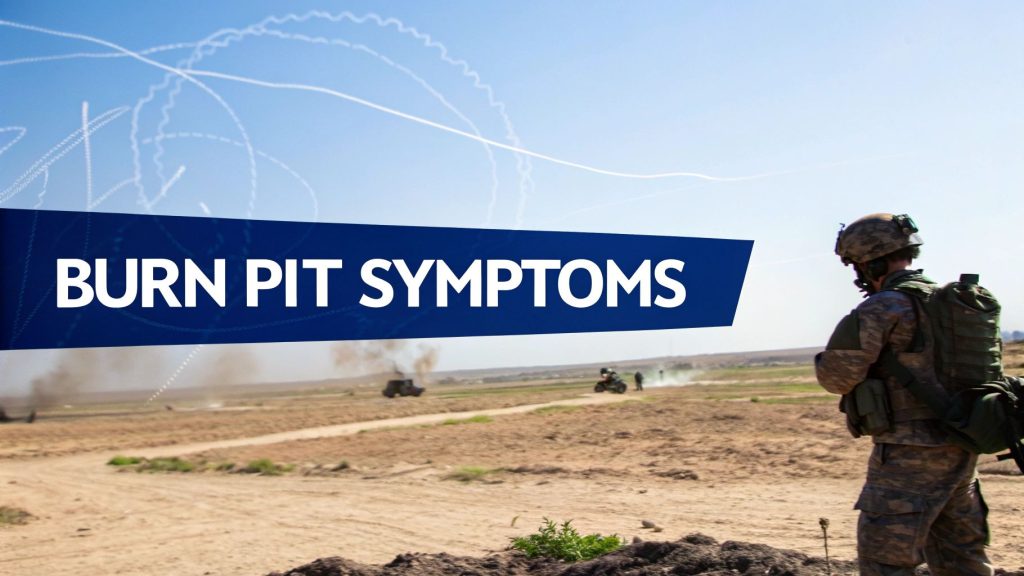
For many service members deployed overseas, massive burn pits were an unavoidable part of daily life on military bases. These sprawling disposal sites, often as large as football fields, served as the primary method for getting rid of waste. The health effects of exposure to these burn pits continue to impact veterans years after their service.
What Was Burned in Military Burn Pits?
The contents of these pits went far beyond ordinary trash. Service members witnessed the burning of a dangerous mix of materials including plastics, medical waste, electronics, vehicle parts, batteries, and chemical containers. A 2010 study by the Army Institute of Public Health found that plastics made up 5-6% of burned materials, while wood comprised 6-7%. Making matters worse, jet fuel was commonly used to keep the fires burning, adding another source of toxic fumes.
This combination of burning materials released a host of dangerous substances into the air. The smoke contained tiny particles, cancer-causing compounds like polycyclic aromatic hydrocarbons (PAHs), volatile organic compounds (VOCs), and highly toxic dioxins. Day after day, service members breathed in this hazardous mixture while going about their duties on base.
Location and Weather: Exacerbating Factors
The environment around many bases made burn pit exposure even more dangerous. In desert locations, fine dust and sand were already constant irritants in the air. The toxic smoke from burn pits mixed with these natural pollutants, creating an especially harmful combination for the respiratory system. Weather patterns often spread the contaminated smoke for miles beyond the burn pits themselves, affecting personnel across wide areas of the bases.
Understanding the Link to Burn Pit Exposure Symptoms
While the complex mix of toxins makes it challenging to connect specific symptoms to burn pit exposure, research increasingly shows clear links between this exposure and serious health problems. Recent studies have found higher rates of respiratory illnesses, heart problems, and certain cancers among veterans who served near burn pits. For instance, research demonstrates that veterans exposed to burn pits face greater risk of developing asthma and chronic obstructive pulmonary disease (COPD). These findings highlight why providing proper medical care and support for affected veterans remains crucial.
Recognizing Early Warning Signs
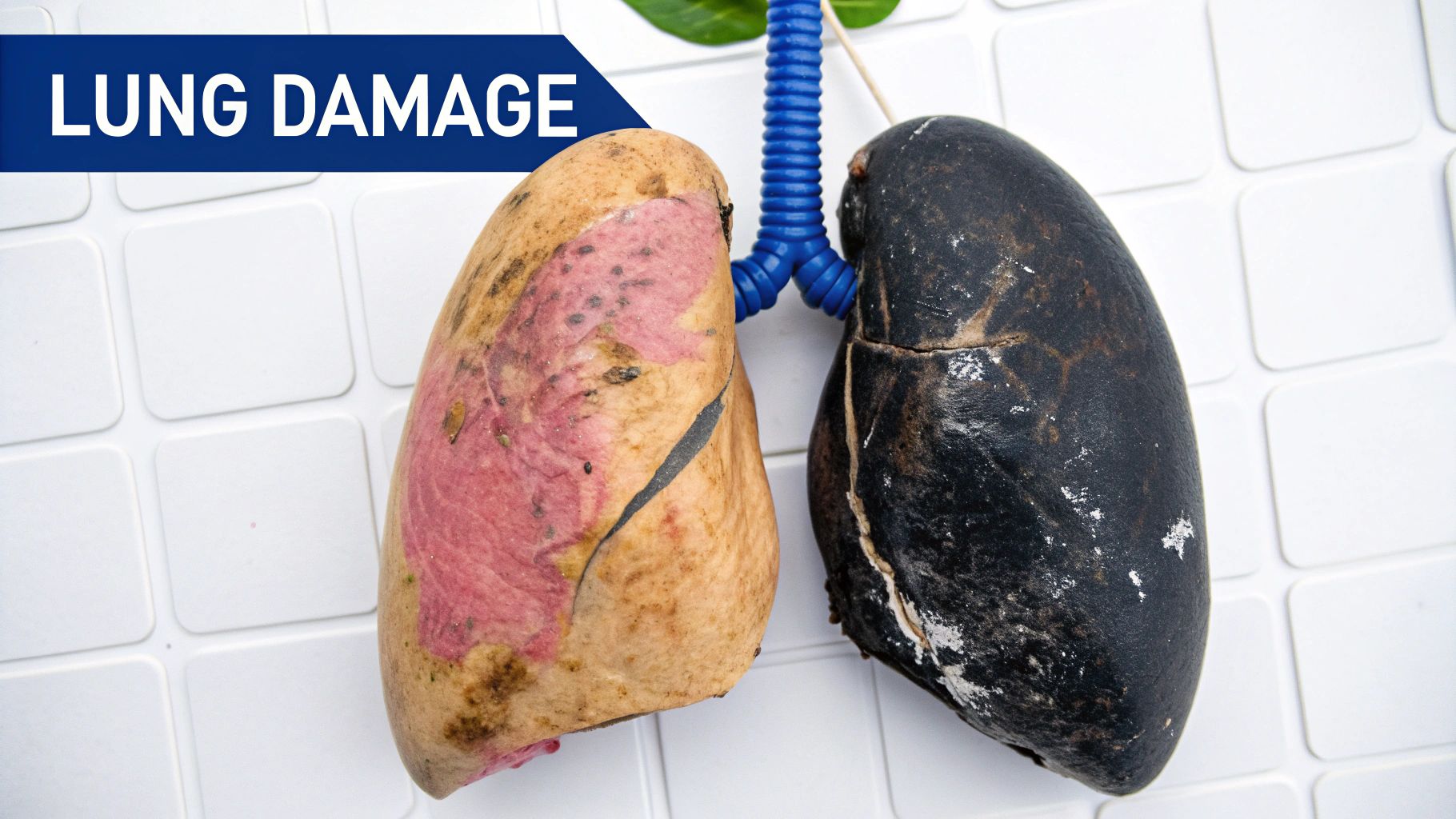
Making the connection between current health problems and past burn pit exposure poses a real challenge for many veterans. The long delay between exposure and symptom onset, combined with the wide range of possible health effects, can make it difficult to identify the root cause. However, knowing what signs to watch for allows veterans to seek medical care early when it matters most.
Common Respiratory Symptoms
Breathing problems often appear first in veterans exposed to burn pits. A cough that won't go away after several weeks, even with over-the-counter medicine, may signal an issue. Some veterans experience a dry cough while others cough up mucus, with symptoms frequently worsening at night or during exercise. Getting winded easily, like having to catch your breath after climbing stairs or needing frequent breaks while talking, is another telltale sign that shouldn't be ignored.
Beyond the Lungs: Other Key Indicators
While lung problems are most common, burn pit exposure can affect many body systems. Veterans may experience frequent headaches, skin rashes that come and go, or recurring sinus infections they mistake for allergies. Stomach issues like diarrhea, constipation and abdominal pain can also point to past exposure. Since these symptoms may seem unrelated at first, it's important to consider the full picture of your health changes.
Differentiating Burn Pit Symptoms from Common Illnesses
Telling burn pit symptoms apart from routine illnesses makes a big difference in getting proper care. A standard cold usually clears up within two weeks, but respiratory problems from burn pits tend to persist despite cold medicines. And while allergy symptoms typically follow seasonal patterns, burn pit effects can occur year-round and often get worse with physical activity or certain environments. Understanding these key differences helps veterans advocate for appropriate medical evaluation.
Tracking Your Symptoms: A Practical Approach
Keeping detailed notes about your symptoms provides valuable information for healthcare providers. Write down dates, specific symptoms, and possible triggers like dust or smoke exposure in a simple log. Note any patterns you notice, like symptoms that worsen at certain times or with particular activities. This record helps establish connections between your health issues and past burn pit exposure while giving medical professionals the context they need for accurate diagnosis and treatment planning.
Understanding Long-Term Health Impacts

Beyond tracking your immediate symptoms, it's essential to understand how burn pit exposure can affect your health over many years. This knowledge helps veterans take charge of their medical care and get appropriate treatment early. Let's explore how exposure time relates to health problems, examine the conditions most clearly connected to burn pits, and discuss ways to protect your health.
The Impact of Exposure Duration
Research shows that longer exposure to burn pits significantly increases health risks. A VA study found concerning patterns – for every 100 days of exposure near burn pits in Afghanistan and Iraq, veterans faced higher chances of developing specific conditions. This included a 1% rise in asthma risk, 4% increase for COPD, and 5% higher risk of ischemic stroke. The study also found links to high blood pressure. With most veterans exposed for an average of 244 days, and 86% having some exposure, these findings highlight why documenting your exposure history matters for your healthcare.
Recognizing Key Health Conditions Linked to Burn Pit Exposure
Scientists have found clear connections between burn pit exposure and several serious health problems. Being aware of these links helps veterans spot potential issues early. Common conditions include respiratory illnesses like constrictive bronchiolitis (a rare but severe lung disease), various types of cancer affecting the respiratory, digestive and reproductive systems, and heart problems like high blood pressure and stroke. Veterans should pay close attention to any changes in their breathing, digestion, or heart health.
Early Stages and Preventive Measures
Catching health problems early makes a big difference in treatment success. For breathing issues, watch for ongoing coughing, shortness of breath, and wheezing. Other conditions may show subtle signs at first, but any persistent health changes deserve medical attention. While you can't completely prevent all health effects, healthy habits help – regular exercise, good nutrition, and avoiding tobacco use make a difference. Regular checkups are crucial and should include specific tests related to burn pit exposure, like lung function tests and cancer screenings. Getting medical care promptly when problems arise leads to better long-term health outcomes for veterans affected by burn pits.
Breaking Down Cancer Risks and Warning Signs

Cancer is one of the most serious health concerns for veterans exposed to burn pits. The combination of toxic chemicals and carcinogens that veterans breathed in near these sites has raised significant worries about long-term cancer risks. Let's examine what we know about the connection between burn pit exposure and cancer development.
Understanding the Carcinogens in Burn Pit Smoke
When materials are burned at high temperatures in burn pits, they release numerous harmful substances. The burning of plastics produces polycyclic aromatic hydrocarbons (PAHs), which scientists have clearly linked to cancer development. Electronic waste incineration adds heavy metals to this toxic mix. Day after day of breathing these chemicals created real health risks for service members stationed near burn pits. The effects of this exposure continue to worry veterans and medical professionals alike.
Cancers Potentially Linked to Burn Pit Exposure
Research shows several types of cancer may be connected to burn pit exposure. Since toxins enter through breathing, lung cancer is a primary concern. But the effects go beyond respiratory issues. Studies point to possible links with digestive system cancers like colon cancer, as well as reproductive cancers. This suggests that once toxins enter the bloodstream, they can harm many parts of the body. Scientists continue studying these connections to better understand the full range of cancer risks.
Recognizing Early Warning Signs of Cancer
Catching cancer early greatly improves treatment success. Veterans should watch for key warning signs, which vary by cancer type but often include:
- A cough that won't go away
- Unexplained weight loss
- Changes in bowel or bladder habits
- Unusual bleeding
- Changes in skin appearance
For example, if cold medicine doesn't help a lingering cough, it could signal lung issues. Different bowel patterns might indicate colon problems. While these symptoms can have other causes, veterans should discuss them with their doctors promptly.
Advocating for Appropriate Screening and Monitoring
Veterans need to be proactive about cancer screening and prevention. This means having detailed discussions with healthcare providers about burn pit exposure history and getting recommended cancer screenings. For some veterans, this may include regular lung scans or colonoscopies based on their symptoms. Routine checkups and blood work can catch problems early. By taking charge of their healthcare and getting proper screenings, veterans improve their chances of early detection if cancer develops. This active approach to health monitoring helps manage both cancer risks and other potential effects of burn pit exposure.
Getting the Right Diagnosis and Treatment
After identifying potential burn pit exposure symptoms, getting proper medical care is essential for your health and wellbeing. While the process may seem complex, understanding how to work effectively with healthcare providers can help you get the diagnosis and treatment you need.
Effectively Communicating Your Exposure History
When meeting with your doctor, be thorough in describing your military service history. Share specific details about where and when you were deployed, as this information helps establish connections between your symptoms and burn pit exposure. Don't hold back about any symptoms, even if they seem minor. For instance, that lingering cough that regular medicine hasn't helped, or unusual tiredness that won't go away, could be important clues. Think of your exposure history as helping your doctor piece together a complete picture of your health situation. This detailed information guides them in ordering the right tests and creating an effective treatment plan.
Understanding Essential Diagnostic Tests
Your doctor may recommend several types of tests to identify what's causing your symptoms. Lung function tests like spirometry show how well your lungs work by measuring your breathing capacity – this helps detect conditions like asthma and COPD. Chest X-rays and CT scans can spot problems in your lungs or other organs. Blood work checks for inflammation and other signs of health issues. Each test serves a specific purpose in getting to the root cause of your symptoms.
Exploring Treatment Approaches for Burn Pit Exposure Symptoms
Treatment plans vary based on your specific diagnosis. For breathing problems, you might need inhalers or steroids to reduce inflammation and help you breathe better. Pulmonary rehabilitation exercises can strengthen your lungs and improve your daily life. If you have multiple health issues, you'll likely need care from different types of doctors working together. This team approach ensures all aspects of your health get proper attention. Each specialist contributes their expertise to help improve your overall wellbeing.
Finding Specialists Who Understand Burn Pit Exposure
Some healthcare providers may not be familiar with burn pit exposure effects, so it's important to find specialists who understand these unique health challenges. For breathing issues, see a pulmonologist. If cancer is a concern, an oncologist provides specialized care. While finding the right doctors may take time, there are resources to help. The VA offers special programs for veterans with burn pit exposure symptoms and can connect you with experienced healthcare providers. Veteran service organizations also help find appropriate specialists. Getting care from doctors who understand burn pit-related health problems increases your chances of accurate diagnosis and effective treatment. Remember to be proactive in seeking the care you need.
Maximizing Your VA Benefits and Support
Veterans who experience burn pit exposure symptoms deserve proper VA benefits and support. By understanding how to document exposure, file effective claims, and access available resources, you can navigate this process successfully.
Documenting Your Burn Pit Exposure: A Crucial First Step
Strong documentation forms the basis of a successful VA claim. Start by gathering deployment records, including orders and unit assignments that show your service near burn pits. Military records indicating specific base locations and dates are especially valuable if you served in Iraq or Afghanistan.
Written statements from fellow service members can provide essential support for your claim. Contact those who can describe details about the burn pit's location, size, and materials burned during your deployment. Their firsthand accounts help establish the connection between your service and current health issues.
Filing Effective VA Claims: Navigating the System
When completing VA Form 21-526EZ (Application for Disability Compensation), include every symptom you experience, even those that seem minor. This detailed list helps the VA understand the full scope of your health concerns.
Make clear connections between your documented burn pit exposure and current health problems. For example, explain how respiratory issues or other symptoms began during or after your service near burn pits. The VA evaluates claims based on factors like exposure duration, ongoing symptoms, and supporting medical evidence.
Accessing Available Resources: Tapping into Support Networks
Many organizations offer assistance to veterans dealing with burn pit exposure. The VA provides specialized healthcare programs with targeted medical evaluations and treatments. These programs address the specific health challenges that can develop after exposure.
Veteran service organizations connect you with legal help for claims and peer support groups. These communities let you share experiences with others facing similar challenges while building a network of support and understanding.
Recent Policy Changes and Filing Strategies: Staying Informed
New policies like the PACT Act have expanded VA healthcare and benefits eligibility for veterans exposed to burn pits. Knowing about these changes helps you understand what benefits you qualify for.
To build a strong case, focus on detailed documentation, clear links between exposure and symptoms, and support from veteran organizations. This approach helps ensure you receive the full benefits you earned through your service.
Don't try to handle VA benefits alone. Homefront Group, founded by a former Navy JAG, provides expert legal and professional services for veterans like you. They offer guidance on VA appeals, toxic exposure claims, and financial planning, with personalized support throughout the process. Take their free 3-minute quiz to identify your qualifying benefits and create a plan to secure the support you deserve. Visit https://homefrontgroup.com/ today to take the first step.