

Beyond The Initial Trauma: Recognizing PTSD's Extended Impact
Post-traumatic stress disorder (PTSD) can have a lasting impact, affecting not only mental well-being but also physical health and overall quality of life. For veterans, first responders, and anyone who has experienced trauma, recovery is often a complex journey with challenges extending far beyond the initial event. These challenges frequently appear as secondary conditions – separate but related health problems stemming from the persistent stress, emotional dysregulation, and physiological changes caused by PTSD. Understanding these secondary conditions is crucial for effective treatment and improved outcomes, especially for those navigating VA claims, pursuing medical malpractice claims, managing worker's compensation (including toxic exposure cases), or planning for their financial future.
Historically, PTSD treatment primarily focused on the psychological effects of trauma. However, as research and clinical understanding have progressed, the significant connection between mental and physical health in PTSD has become increasingly clear. This has led to the recognition of secondary conditions as vital aspects of the overall PTSD picture. Effective PTSD treatment now emphasizes integrated care, addressing both the core trauma and any co-occurring conditions to promote a more holistic and sustainable recovery.
This article will explore seven common secondary conditions often experienced by individuals with PTSD. By understanding the link between PTSD and these associated health problems, you'll be better prepared to recognize the signs, seek appropriate treatment, and advocate for your well-being throughout your recovery. We'll delve into the complexities of these conditions and provide valuable insights to empower you or your loved ones on the path toward healing and a fulfilling life.
1. Major Depressive Disorder
Major Depressive Disorder (MDD) is a significant and common secondary condition associated with Post-Traumatic Stress Disorder (PTSD). Its prevalence among veterans, first responders, and others who experience trauma highlights the importance of understanding this comorbidity and seeking appropriate treatment. The connection is so well-established that the Department of Veterans Affairs (VA) recognizes depression as a common secondary condition to PTSD. This recognition influences both research initiatives by organizations like the National Center for PTSD and the development of integrated treatment approaches like Trauma-focused Cognitive Behavioral Therapy (CBT).
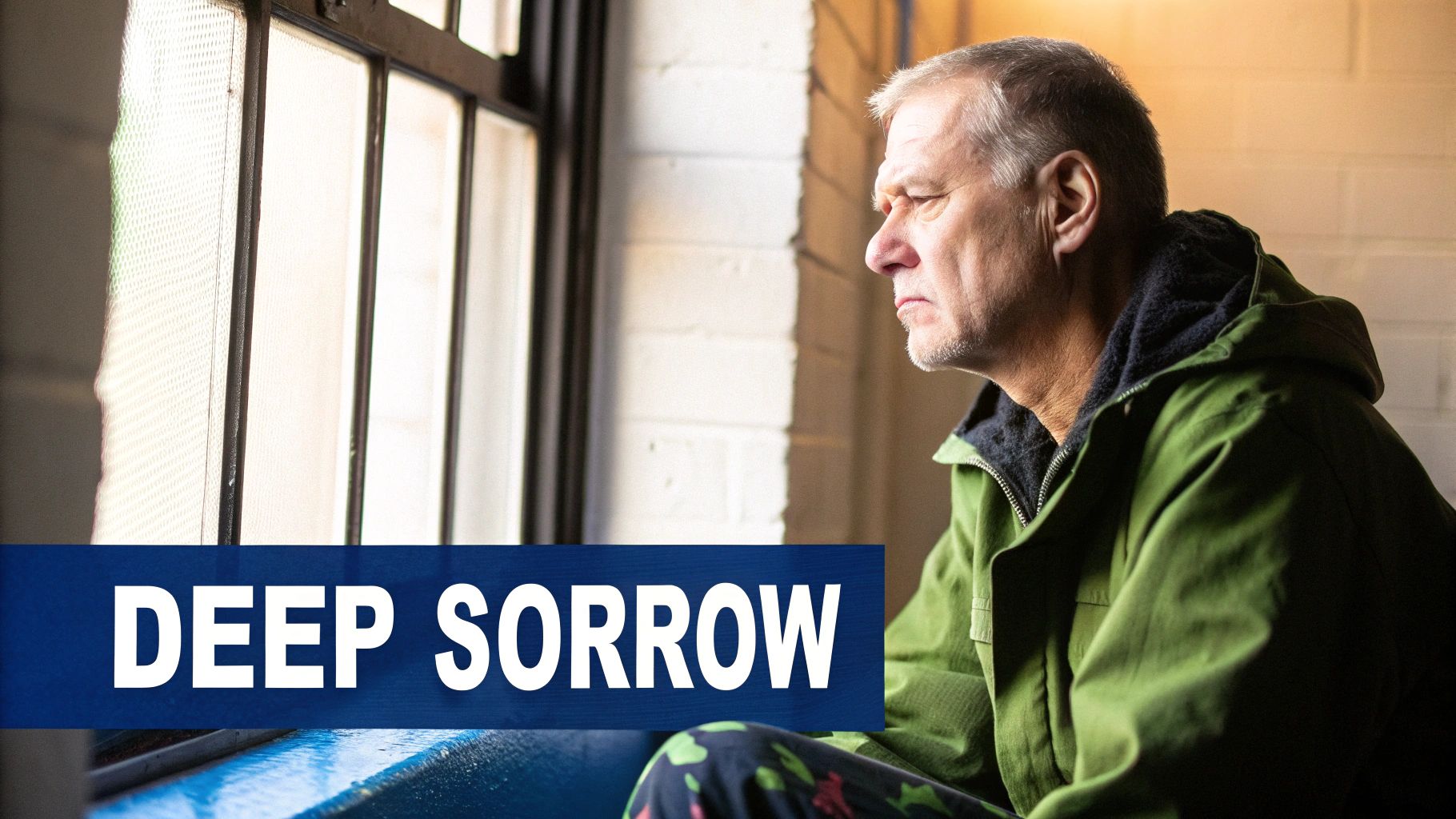
When a traumatic event triggers PTSD, the resulting persistent stress, anxiety, and emotional dysregulation can lead to clinical depression. The brain's neurochemistry is altered in response to trauma, impacting the regulation of key neurotransmitters like serotonin, norepinephrine, and dopamine. This disruption contributes to the development of MDD.
For those struggling with PTSD, depression can manifest in a variety of ways:
- Persistent Sadness, Hopelessness, or Emptiness: This pervasive low mood lasts for at least two weeks and is a defining characteristic of MDD.
- Anhedonia: This is the inability to experience pleasure in activities that were once enjoyed. Hobbies, social interactions, and even simple pleasures lose their appeal.
- Sleep Disturbances: Individuals might experience insomnia (difficulty falling or staying asleep) or hypersomnia (excessive sleepiness).
- Appetite and Weight Changes: Noticeable changes in appetite can occur, leading to either weight loss or weight gain.
- Fatigue and Loss of Energy: Feeling constantly tired and lacking energy, even after resting, is common.
- Concentration Difficulties: Problems with focus, memory, and decision-making are frequently reported.
- Recurrent Thoughts of Death or Suicide: Suicidal ideation, from fleeting thoughts to concrete plans, is a severe symptom requiring immediate professional attention.
Pros of Recognizing MDD as a Secondary Condition
- Highly Treatable: MDD, especially when addressed alongside PTSD, often responds well to combined therapy approaches, including medication and psychotherapy.
- VA Recognition: The VA’s acknowledgment of the link between PTSD and depression simplifies filing disability claims for depression secondary to PTSD.
- Extensive Research: Significant research supports the connection between PTSD and depression, bolstering the case for veterans seeking benefits.
- Multiple Treatment Options: Various effective treatment options are available, such as medication, therapy, and support groups.
Cons of Navigating MDD as a Secondary Condition
- Diagnostic Challenges: Differentiating MDD symptoms from PTSD symptoms can be complex, necessitating a thorough assessment by a mental health professional.
- Long-Term Treatment: Managing MDD typically requires ongoing treatment to maintain remission and prevent relapse.
- Medication Side Effects: Some medications for depression can have side effects that require careful monitoring and management.
- Proving the Connection: Veterans often need comprehensive medical evidence directly linking their depression to their service-connected PTSD for VA disability claims.
Real-World Examples
- A combat veteran experiencing severe depression years after returning from deployment, triggered by recurring nightmares and flashbacks related to combat trauma.
- A survivor of sexual assault dealing with both PTSD and debilitating depression, hindering their ability to function in daily life.
- A first responder developing comorbid PTSD and MDD after repeated exposure to traumatic events on the job.
Practical Tips for Veterans and First Responders
- Document Everything: Carefully document the timeline between the onset of PTSD symptoms and the emergence of depressive symptoms. This is essential for VA claims.
- Integrated Treatment: Seek integrated treatment that addresses both PTSD and depression simultaneously, as this is generally more effective than treating each condition separately.
- Peer Support: Consider joining peer support groups for trauma survivors experiencing depression. Sharing experiences and connecting with others facing similar challenges can be invaluable.
- Medical Opinions: Obtain medical opinions from qualified professionals explicitly stating that your depression is a direct result of your service-connected PTSD for disability claims.
By understanding the link between PTSD and Major Depressive Disorder, veterans and first responders can proactively seek appropriate treatment and support, improving their well-being and quality of life. Don't hesitate to contact mental health professionals and support networks for guidance.
2. Anxiety Disorders
Anxiety disorders are frequently seen alongside PTSD, significantly affecting a person's overall well-being and ability to function. While PTSD itself involves anxiety, separate anxiety disorders such as Generalized Anxiety Disorder (GAD), Panic Disorder, and Social Anxiety Disorder can also develop. This happens when the brain's fear response system becomes dysregulated after trauma, leading to anxiety beyond the initial traumatic event. This makes anxiety disorders a key factor for veterans and first responders filing claims and seeking appropriate treatment.
Why Anxiety Disorders Are Important to Consider: Untreated anxiety disorders can worsen PTSD symptoms, make recovery difficult, and seriously reduce quality of life. Identifying and treating these co-occurring conditions is essential for successful claims and effective, comprehensive treatment.
Features of Co-occurring Anxiety Disorders
-
Excessive Worry: Individuals struggle with persistent, uncontrollable worry about various aspects of life, not just trauma-related issues. This can include concerns about finances, work, family, or health.
-
Somatic Symptoms: Physical symptoms are also common. These can include muscle tension, gastrointestinal issues (such as nausea or diarrhea), and rapid heartbeat.
-
Panic Attacks: Sudden and intense episodes of fear and discomfort, called panic attacks, can occur even in safe situations. These are distinct from trauma-related flashbacks.
-
Avoidance Behaviors: Individuals may avoid non-trauma-related situations, like social gatherings or public places, due to general or social anxiety.
-
Hypervigilance: An elevated state of alertness and sensitivity to potential threats extends beyond the original trauma, causing ongoing stress and exhaustion.
-
Sleep Disturbances: Many individuals report difficulty falling or staying asleep due to racing thoughts and pervasive worry.
Pros of Early Diagnosis and Treatment
-
Responsiveness to Similar Treatments: Anxiety disorders often respond positively to the same therapies used for PTSD, including Cognitive Behavioral Therapy (CBT) and exposure therapy.
-
Established Connection to PTSD: The close relationship between PTSD and anxiety disorders is well-documented, which can help with disability claims when properly supported by medical professionals.
-
Medication Options: Certain medications are effective in managing both PTSD and anxiety disorders.
-
Growing Awareness: There is a growing understanding of the importance of treating both PTSD and co-occurring anxiety disorders simultaneously.
Cons and Challenges
-
Overlapping Symptoms: The symptoms of anxiety disorders and PTSD can be very similar, which can make diagnosis more complex.
-
Specialized Treatment: Treating both anxiety disorders and PTSD may require specialized therapy methods, going beyond standard PTSD treatment.
-
Chronicity: Untreated anxiety disorders can become chronic, significantly impacting long-term health and well-being.
-
Medication Trials: Finding the right medication may involve trying several different options, which can be a difficult process.
Real-World Examples
-
A veteran experiences GAD, worrying constantly about job security and family finances, separate from their combat-related flashbacks.
-
A car accident survivor develops Panic Disorder, having panic attacks while driving even when in safe situations, unrelated to the accident.
-
A victim of assault develops Social Anxiety Disorder, avoiding social interaction due to a general fear of judgment, not just fear related to the perpetrator.
Practical Tips for Veterans and First Responders
-
Specialized Assessments: Use anxiety-specific assessment tools along with PTSD evaluations for a more accurate diagnosis.
-
Document Progression: Carefully record the development of anxiety symptoms after the onset of PTSD to support claims.
-
Explore Anxiety-Specific Therapies: Consider incorporating techniques specifically for anxiety, like worry exposure, into your treatment plan.
-
VA Claims Documentation: For VA claims, obtain clear medical opinions linking your anxiety disorder to your PTSD.
-
Self-Monitoring: Learn to differentiate between trauma-related anxiety and generalized anxiety to better manage symptoms.
Evolution and Recognition
The understanding of anxiety disorders co-occurring with PTSD has greatly improved. Organizations like the Anxiety and Depression Association of America (ADAA) highlight PTSD comorbidities. Influential work such as Dr. David Barlow's unified protocol for emotional disorders and the VA/DoD Clinical Practice Guidelines also acknowledge the common occurrence of anxiety alongside PTSD. This growing awareness is critical for better diagnosis, treatment, and support for veterans and first responders.
3. Substance Use Disorders
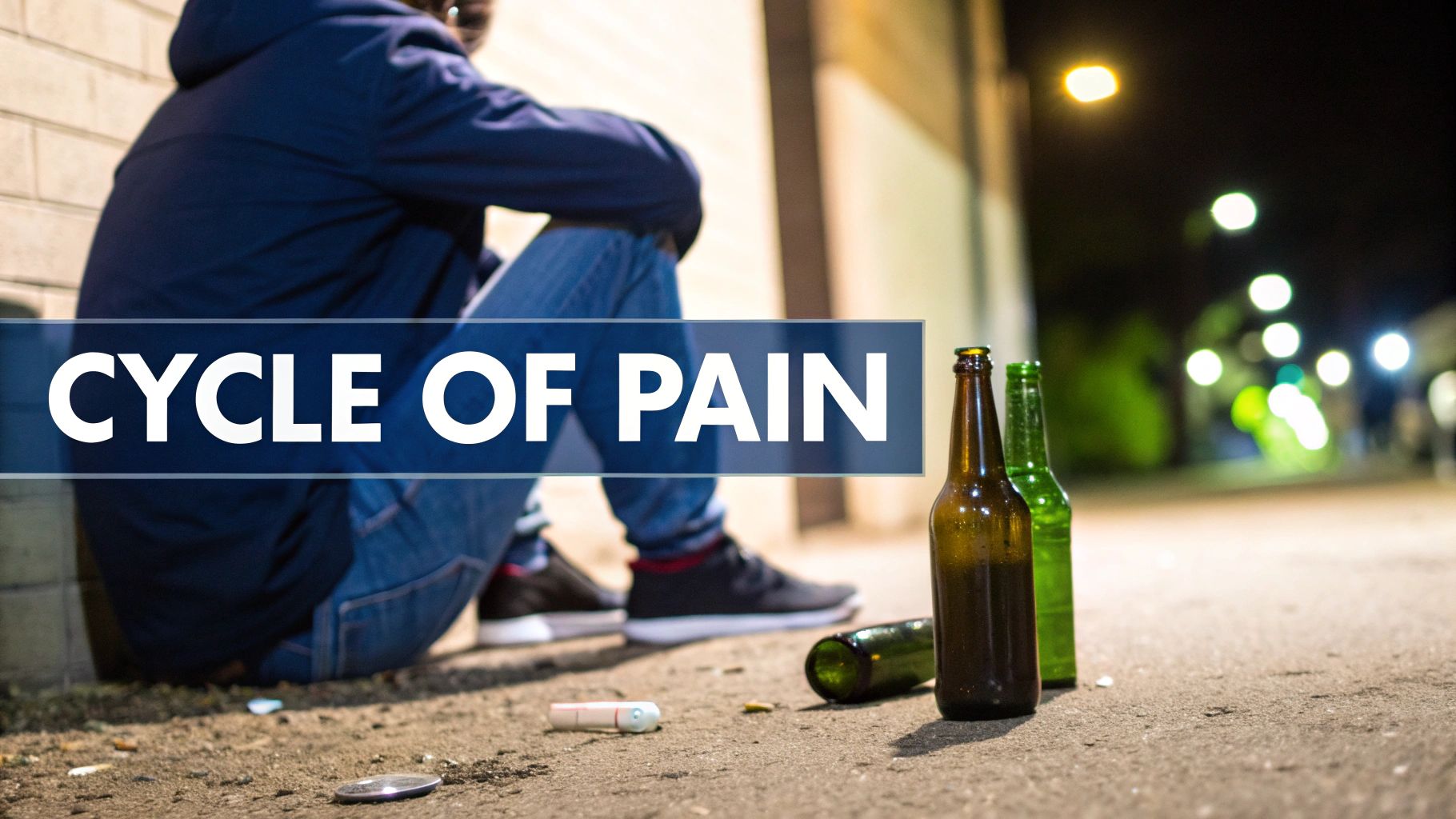
Substance Use Disorders (SUDs) are a common and serious concern for individuals experiencing Post-Traumatic Stress Disorder (PTSD). This makes understanding SUDs critical, especially for veterans, first responders, and others pursuing disability claims related to trauma. Often, SUDs develop from attempts to self-medicate the distressing symptoms of PTSD, which unfortunately creates a dangerous cycle. While substances might temporarily relieve hyperarousal, emotional numbness, or intrusive memories, they ultimately worsen PTSD symptoms over time and can lead to dependence, tolerance, and addiction.
The established connection between trauma and substance abuse is a key factor in disability claims. Recognizing this link is vital for veterans pursuing VA claim appeals, those affected by toxic exposure, or pursuing medical malpractice claims. It's equally important for first responders seeking compensation for work injuries and toxic exposure. A thorough understanding of this secondary condition can significantly impact the success of these claims.
Features of PTSD-Related SUDs
- Targeted Self-Medication: This involves using substances specifically to manage PTSD symptoms.
- Tolerance and Withdrawal: Individuals may develop a tolerance, needing increasing amounts of the substance. Withdrawal symptoms often occur when attempting to stop.
- Negative Consequences: Continued use despite negative consequences like relationship issues, job loss, or financial difficulties is a hallmark of SUDs.
- Social Isolation: Withdrawal from social activities and deteriorating relationships, beyond the impact of PTSD alone, can occur.
- Occupational Impairment: Difficulty performing job duties may exceed the impairment caused solely by PTSD.
- Medical Complications: Physical health problems can arise from chronic substance use.
Pros of Recognizing the PTSD-SUD Connection
- Disability Claims: The link between PTSD and SUDs strengthens disability claims.
- Specialized Treatment: Integrated treatment programs designed for co-occurring PTSD and SUDs are becoming more readily available.
- Growing Awareness: There is increasing recognition of the need for trauma-informed addiction treatment.
- Synergistic Improvement: Addressing one condition can often positively influence the other.
Cons of Untreated Co-Occurring PTSD and SUDs
- Treatment Interference: Substances can hinder the effectiveness of PTSD treatment.
- Increased Suicidality: The combination of PTSD and SUDs significantly increases the risk of suicide.
- Social Stigma: Shame and stigma can prevent individuals from seeking the help they need.
- Detoxification Needs: Detoxification may be necessary before trauma therapy can begin.
- Relapse Risk: Without addressing the underlying trauma, the risk of relapse is high.
Examples of PTSD and SUDs
- Vietnam veterans with combat-related PTSD developing alcohol use disorder.
- Survivors of sexual trauma developing opioid dependence after receiving prescription pain medication.
- First responders using stimulants to maintain hypervigilance during shifts and then depressants to “come down,” creating a cycle of dependence.
- Domestic violence survivors using substances to cope with flashbacks and hyperarousal.
Tips for Veterans and First Responders
- Seek Integrated Treatment: Look for programs specifically designed for co-occurring PTSD and SUDs. The VA offers specialized PTSD-SUD treatment programs.
- Document Everything: Keep detailed records of the timeline connecting the trauma, PTSD symptoms, and the onset of substance use. This is essential for disability claims.
- Explore MAT: Consider medication-assisted treatment (MAT) options along with trauma therapy.
- Medical Opinions for Claims: Obtain medical opinions explicitly linking substance use to self-medication for PTSD.
- Peer Support: Connect with peer support groups for trauma survivors with addiction. This can offer valuable support and understanding.
The understanding of the PTSD-SUD connection has significantly advanced, thanks to experts like Dr. Lisa Najavits, whose Seeking Safety program addresses this co-morbidity, and Dr. Bessel van der Kolk's research on trauma and addiction. The Substance Abuse and Mental Health Services Administration (SAMHSA)'s trauma-informed care initiatives have also been instrumental in improving addiction treatment approaches. This increased awareness and the development of specialized treatments are making it more accessible than ever to address this complex issue. For those struggling with both PTSD and SUDs, seeking integrated treatment is crucial for recovery and overall well-being.
4. Cardiovascular Conditions
Post-traumatic stress disorder (PTSD) significantly impacts mental well-being, but its effects extend to physical health, particularly increasing the risk of cardiovascular conditions. This makes cardiovascular issues a crucial secondary condition, especially for veterans and first responders filing claims.
The chronic stress inherent in PTSD fuels this connection. The body remains in a heightened state of alert, leading to prolonged elevation of stress hormones like cortisol and adrenaline. This constant hormonal surge affects the cardiovascular system, impacting heart function, blood pressure, and vascular health. Over time, this can manifest as several serious conditions:
- Chronic hypertension resistant to standard treatments: Blood pressure can remain high even with medication.
- Accelerated atherosclerosis and coronary artery disease: Plaque buildup in the arteries happens more rapidly, restricting blood flow to the heart.
- Increased inflammatory markers: Inflammation plays a critical role in cardiovascular disease, and PTSD elevates these markers.
- Higher incidence of arrhythmias and tachycardia: Irregular and rapid heartbeats can disrupt normal heart function.
- Elevated risk of myocardial infarction (heart attack) and stroke: These life-threatening events are more likely.
- Endothelial dysfunction: The lining of the blood vessels is impaired.
- Metabolic syndrome components including dyslipidemia: Abnormal cholesterol levels and high blood sugar further increase the risk.
Extensive research, including the VA Million Veteran Program, confirms the link between PTSD and cardiovascular disease. Studies show trauma survivors, including veterans and first responders, have significantly higher rates of heart disease. Studies of Vietnam veterans show higher rates of hypertension and heart disease decades later. Research on 9/11 first responders reveals elevated cardiovascular disease rates. Even younger combat veterans under 40 are developing premature coronary artery disease. Studies of female assault survivors also demonstrate abnormal heart rate variability and blood pressure patterns.
Pros and Cons of Recognizing Cardiovascular Conditions as Secondary to PTSD
Pros:
- Increasing recognition by the VA and disability systems as a secondary condition to PTSD.
- A growing research base strengthens the causal connection.
- Objective medical tests, like blood pressure monitoring, electrocardiograms (ECGs), and blood tests, can document these conditions.
- Preventative measures can reduce disease progression.
Cons:
- Cardiovascular issues often develop years after PTSD onset, complicating causation claims.
- Multiple contributing factors can make it difficult to establish a direct link.
- May require lifelong medication and lifestyle adjustments.
- These conditions can progress even if PTSD symptoms improve.
Tips for Veterans and First Responders
- Regular cardiovascular screening is crucial for all PTSD patients.
- Meticulously document blood pressure and other relevant metrics, starting with the PTSD diagnosis.
- For disability claims, gather medical literature and expert opinions. The work of researchers like Dr. Viola Vaccarino can be helpful. Research from the Boston University School of Public Health on World Trade Center first responders also provides valuable evidence.
- Explore stress-reduction techniques, such as mindfulness, yoga, and meditation, that target physiological arousal.
- Request specialist opinions (cardiologist, neurologist) connecting autonomic nervous system dysfunction to cardiovascular symptoms.
Understanding the link between PTSD and cardiovascular health is vital. By addressing these potential complications, individuals can improve their health and strengthen their claims for disability benefits.
5. Chronic Pain Conditions
Chronic pain frequently accompanies PTSD, significantly impacting trauma survivors like veterans, first responders, and accident survivors. It's often misdiagnosed and mistreated, leading to further suffering and hindering recovery. Understanding the link between PTSD and chronic pain is crucial for effective management and successful disability claims.
The persistent hyperarousal and stress response in PTSD can "rewire" the nervous system, increasing sensitivity to pain signals. This central sensitization contributes to conditions like fibromyalgia, chronic headaches, myofascial pain syndrome, and persistent lower back pain. The emotional distress of PTSD can also amplify physical pain, creating a cycle where pain worsens PTSD symptoms, and vice versa.
Features of PTSD-Related Chronic Pain
- Persistence: Pain continues beyond typical healing times.
- Sensitization: Normal stimuli, like touch or temperature changes, can become painful.
- Lower Pain Thresholds: Individuals with PTSD often feel pain at lower stimulus intensities.
- Fluctuation: Pain levels often correlate with PTSD symptom severity.
- Diffuse Pain: Widespread pain without a clear physiological cause is common.
- Regional Pain: Pain can manifest in areas related to the traumatic event.
- Sleep Disruption: Difficulty sleeping worsens both pain and PTSD symptoms.
Real-World Examples
- A combat veteran experiences widespread fibromyalgia pain after physical injuries heal.
- A sexual assault survivor suffers from chronic pelvic pain without identifiable physical pathology.
- A first responder develops persistent back and shoulder pain resistant to standard treatments.
- A motor vehicle accident survivor is diagnosed with complex regional pain syndrome.
Pros and Cons of Current Understanding and Treatment
Pros:
- Increased Recognition: Disability systems increasingly recognize chronic pain secondary to PTSD.
- Integrated Treatments: More providers are adopting integrated treatment approaches.
- Non-Pharmacological Options: Non-opioid and non-pharmacological pain management strategies are gaining acceptance.
Cons:
- Misdiagnosis: Chronic pain in trauma survivors is often misdiagnosed as solely physical.
- Opioid Dependence: Treating pain without addressing PTSD can increase opioid dependence risk.
- Disability Claims Challenges: Pain's subjective nature makes it hard to document for claims.
- Fragmented Care: Treatment is often fragmented between mental health and pain specialists.
Tips for Veterans and First Responders
- Meticulous Documentation: Keep detailed records of pain symptoms and correlation with PTSD flares.
- Integrated Care: Seek providers knowledgeable about the trauma-pain relationship.
- Supporting Research: Gather research supporting the PTSD-chronic pain connection for claims.
- Trauma-Informed Therapies: Explore trauma-sensitive physical therapy and pain management.
- Mind-Body Practices: Consider mind-body approaches like trauma-informed yoga.
Evolution of Understanding
The understanding of the PTSD-chronic pain link has evolved significantly. Researchers like Dr. Matthew Friedman at the National Center for PTSD, the VA's Whole Health approach, Dr. Robert Kerns' research on pain psychology in veterans, and Dr. Jennifer Haythornthwaite's studies on psychological factors in chronic pain have led to more effective treatments.
6. Sleep Disorders

Sleep disorders are a significant and often debilitating secondary condition associated with PTSD. They impact a substantial number of veterans and first responders. While difficulty sleeping is a core symptom of PTSD itself, distinct, diagnosable sleep disorders frequently develop as separate conditions requiring specific attention and treatment.
These disorders deserve attention due to their high prevalence among trauma survivors, their considerable impact on quality of life, and the availability of effective treatments. Understanding these disorders is vital for veterans pursuing claims and seeking appropriate care.
Several specific sleep disorders commonly co-occur with PTSD.
Common PTSD-Related Sleep Disorders
-
Insomnia Disorder: This involves persistent trouble falling asleep (sleep-onset insomnia) or staying asleep (sleep-maintenance insomnia) despite having ample opportunity for sleep. Veterans and first responders often experience this due to hyperarousal and racing thoughts connected to their traumatic experiences.
-
Obstructive Sleep Apnea (OSA): OSA is characterized by pauses in breathing during sleep. It's more common in individuals with PTSD than in the general population. This connection is frequently missed but can substantially worsen both PTSD and sleep quality.
-
Nightmare Disorder: Vivid, disturbing dreams related to the trauma are a defining characteristic of PTSD. These nightmares can disrupt sleep architecture and lead to a fear of sleep itself.
-
REM Sleep Behavior Disorder: This involves physically acting out dreams, sometimes causing harm. It's particularly important to consider for combat veterans, who may re-enact traumatic events during sleep.
Characteristics and Consequences
Beyond the core symptoms of each disorder, individuals with PTSD often experience specific sleep-related challenges. These can include altered sleep architecture with reduced deep sleep, disrupted REM sleep, sleep paralysis, and hypnagogic hallucinations. Daytime cognitive impairment beyond what PTSD alone causes also occurs, compounding the challenges of daily life and recovery.
Advantages of Diagnosis and Treatment
These sleep disorders are recognized as secondary conditions for VA disability claims. Objective testing like polysomnography (sleep studies) can document their severity. Specialized treatments such as Imagery Rehearsal Therapy (IRT) have proven effective for nightmare disorder. Importantly, improvements in sleep often lead to improvements in other PTSD symptoms, creating a positive feedback loop.
Challenges of Management
Sleep disorders can persist even when other PTSD symptoms improve, necessitating ongoing management. Treatment often involves combined pharmacological and behavioral approaches, and sleep medications may interact with other PTSD medications. The link between sleep apnea and PTSD remains under-recognized, potentially delaying diagnosis and treatment.
Real-World Examples
-
A combat veteran experiences violent nightmares, yelling and thrashing in bed, re-enacting combat scenarios (REM Sleep Behavior Disorder).
-
A sexual assault survivor struggles with chronic insomnia, driven by hypervigilance and fear during the night (Insomnia Disorder).
-
A first responder develops sleep-onset insomnia due to racing thoughts and replaying traumatic calls (Insomnia Disorder).
-
A disaster survivor develops both PTSD and obstructive sleep apnea, leading to severe daytime fatigue and worsening PTSD symptoms.
Recommendations for Veterans and First Responders
-
Request a sleep study: This provides objective data to support claims and inform treatment decisions.
-
Pursue specialized sleep treatments: IRT for nightmares, Cognitive Behavioral Therapy for Insomnia (CBT-I), and CPAP therapy for sleep apnea can be highly effective.
-
Connect your sleep disorder to your PTSD in medical opinions: This is crucial for successful disability claims.
-
Consider prazosin for trauma-related nightmares: This medication has shown promise in reducing nightmare frequency and intensity.
-
Implement good sleep hygiene: While acknowledging that hypervigilance can create obstacles, a consistent sleep schedule, a relaxing bedtime routine, and an optimized sleep environment can improve sleep quality.
The understanding of the complex relationship between sleep and PTSD has grown significantly, thanks to research and the work of specialized sleep medicine programs. These advancements have resulted in more effective treatments and increased recognition of sleep disorders as critical aspects of PTSD recovery. By actively addressing sleep disturbances, veterans and first responders can significantly improve their overall well-being and quality of life.
7. Autoimmune and Inflammatory Disorders
The link between Post-Traumatic Stress Disorder (PTSD) and autoimmune and inflammatory disorders is a crucial, often overlooked, aspect of this complex condition. This connection, explored through psychoneuroimmunology, highlights the intricate link between mental and physical health, especially after trauma. Understanding this connection is vital for veterans and first responders seeking appropriate treatment and navigating disability claims.
PTSD's chronic activation of the body's stress response creates a cascade of physiological changes. These include persistent inflammation and immune system dysregulation, creating a "pro-inflammatory" environment. This makes individuals more susceptible to developing autoimmune disorders or experiencing a worsening of pre-existing conditions. Examples of such disorders include rheumatoid arthritis, lupus, inflammatory bowel disease (IBD), psoriasis, and thyroid disorders.
This isn't just theoretical; research shows a disturbing trend. Gulf War veterans, for example, develop rheumatoid arthritis and other autoimmune conditions at higher rates. Childhood trauma survivors experience an increased incidence of IBD. Sexual assault survivors may develop fibromyalgia and chronic fatigue syndrome. And first responders at Ground Zero have developed inflammatory respiratory conditions, all potentially linked to trauma-induced inflammation.
Key Features of the PTSD-Inflammation Connection
Several key features characterize this connection:
- Elevated inflammatory markers: Lab tests can reveal elevated levels of C-reactive protein, IL-6, and TNF-alpha, providing objective evidence.
- Accelerated disease progression: Trauma can accelerate the development or worsen existing autoimmune conditions.
- Dysregulated HPA axis: The hypothalamic-pituitary-adrenal (HPA) axis, which governs the stress response, becomes dysregulated in PTSD, impacting immune function.
- Symptom flare-ups: Autoimmune symptoms often worsen with intensified PTSD symptoms, demonstrating a clear correlation.
- Poor treatment response: Standard autoimmune treatments may be less effective if the underlying PTSD is untreated.
- Multi-system involvement: Widespread inflammation can affect multiple organ systems, leading to varied symptoms.
- Chronic fatigue and malaise: Persistent fatigue beyond typical PTSD fatigue can indicate underlying inflammation.
Pros and Cons of Recognizing the Connection
Understanding the link between PTSD and inflammation has both advantages and challenges.
Pros:
- Growing research base: The scientific community is increasingly recognizing and investigating this link.
- Objective markers: Laboratory tests can objectively document inflammation.
- Emerging treatments: New treatments targeting the stress-inflammation pathway offer hope.
- Increased recognition in disability systems: With proper documentation, this connection is gaining recognition in disability claims.
Cons and Challenges:
- Complex pathophysiology: Establishing a direct causal link between PTSD and specific autoimmune conditions remains challenging.
- Multidisciplinary care: Effective treatment often requires coordinating care between multiple specialists.
- Lack of provider awareness: Many healthcare providers are unfamiliar with this connection.
- Immunosuppressive therapies: Managing autoimmune conditions may require lifelong immunosuppressants with potential side effects.
Practical Tips
- Request comprehensive inflammatory marker testing if you have PTSD.
- Meticulously document the relationship between trauma, PTSD onset, and autoimmune diagnosis. This is crucial for disability claims.
- For disability claims, gather medical literature on psychoneuroimmunology and PTSD.
- Explore anti-inflammatory approaches alongside standard PTSD treatments.
- Seek specialists familiar with immune dysfunction in trauma survivors.
The work of researchers like Dr. Charles Nemeroff and Dr. Robert Dantzer on inflammation and mental health, along with the VA's research on Gulf War Illness and autoimmune conditions, and Dr. Bessel van der Kolk's work on trauma's impact on the body, has been critical in highlighting this issue. Understanding this connection empowers veterans and first responders to advocate for comprehensive care addressing both their mental and physical health. This knowledge can be key to obtaining deserved benefits and support for those pursuing claims.
7-Point PTSD Secondary Conditions Comparison
| Condition | 🔄 Complexity & Process | ⚡ Resource Requirements | 📊 Expected Outcomes | 💡 Key Advantages |
|---|---|---|---|---|
| Major Depressive Disorder | Moderate; challenges in differentiating from PTSD | Standard combination therapy (medication & psychotherapy) | Highly treatable with integrated approaches | Extensive research and recognized for disability claims |
| Anxiety Disorders | High; overlapping symptoms complicate diagnosis | Requires specialized assessments and therapies | Effective response with CBT and medication | Established treatment protocols aiding concurrent care |
| Substance Use Disorders | High; intertwined with self-medication and relapse risk | Demands intensive, integrated treatment programs | Improvement possible when both conditions are addressed | Specialized programs offer dual treatment benefits |
| Cardiovascular Conditions | High; develops later with multiple contributing factors | Needs objective tests and lifelong management | Preventative care can improve quality but may progress | Objective measurements and robust research support |
| Chronic Pain Conditions | Moderate to high; demands coordinated multi-specialist care | Requires integrated care with pain and mental health experts | Variable improvement; mind-body approaches can help | Integrated treatment can address both physical and psychological pain |
| Sleep Disorders | Moderate; distinct diagnosis with objective testing | Involves sleep studies and specialized interventions | Significant benefit when treated alongside PTSD | Effective targeted treatments and clear documentation tools |
| Autoimmune & Inflammatory Disorders | High; multifactorial with widespread physiological impact | Necessitates comprehensive lab testing and coordinated care | Mitigation of progression with proper management | Objective markers and emerging targeted therapies |
Seeking Comprehensive Care for PTSD and Its Secondary Conditions
This article has explored several secondary conditions often associated with Post-Traumatic Stress Disorder (PTSD), including major depressive disorder, anxiety disorders, substance use disorders, cardiovascular conditions, chronic pain conditions, sleep disorders, and autoimmune and inflammatory disorders. Understanding the link between these conditions and PTSD is critical for effective treatment and recovery. Integrated treatment approaches that address both the psychological trauma and the resulting physical and mental health challenges are essential for improving overall well-being.
Putting these concepts into practice involves recognizing the signs and symptoms of both PTSD and its potential secondary conditions. Don't dismiss physical ailments or emotional struggles as just "part of life." Seek a professional evaluation if you suspect you are experiencing any of the discussed conditions. Openly communicating with your healthcare providers about all your symptoms, both physical and mental, is vital for an accurate diagnosis and a comprehensive treatment plan.
Learning and adapting are ongoing processes in managing PTSD and its secondary conditions. Staying informed about new research, therapies, and support resources empowers you to make informed decisions about your care. Be open to exploring different treatment modalities and adjusting your coping mechanisms as needed. Recovery is a journey, not a destination, and setbacks are a normal part of the process. Current trends in PTSD treatment emphasize holistic approaches that combine mental and physical healthcare, acknowledging the mind-body connection in trauma recovery. Future research developments promise to further refine diagnostic tools and treatment options, providing hope for even more effective interventions.
Key Takeaways
- PTSD seldom occurs in isolation. Secondary conditions are prevalent and can significantly affect overall health and well-being.
- Integrated treatment approaches that address both the psychological and physical effects of trauma are essential for successful recovery.
- Communicating openly with healthcare providers is crucial for accurate diagnoses and individualized treatment plans.
- Continuous learning, adaptation, and self-advocacy are vital for managing the complexities of PTSD and its associated conditions.
Are you a veteran or first responder grappling with the challenges of PTSD and its secondary conditions? Navigating the complexities of VA claims, medical malpractice, or personal injury cases can be overwhelming, especially when dealing with the unseen wounds of trauma. Homefront Group is here to assist. Founded by a former Navy JAG, Homefront Group understands the specific needs of veterans and first responders. Their team of legal and professional experts offers specialized services to support your journey toward recovery and financial stability. From VA appeals and toxic exposure claims to estate planning and personal injury cases, they are dedicated to securing the justice and support you deserve. Take their free 3-minute quiz to learn about your eligible benefits, and let them create a personalized strategy to achieve your objectives. With $45 million in pending claims for injured veterans and nationwide support, Homefront Group is prepared to advocate for you. Visit Homefront Group and embark on the path toward reclaiming your life.