
Understanding What Property Tax Exemptions Really Mean
Navigating veteran benefits can be challenging, especially regarding property tax exemptions. These exemptions aren't just small discounts; they offer substantial savings, potentially reaching thousands of dollars annually. This financial relief is essential for achieving long-term homeownership, a key part of the American dream.
How These Exemptions Differ From Standard Homeowner Exemptions
Standard homeowner exemptions typically offer a minor reduction in a property's assessed value, providing a modest tax break for all homeowners. However, veteran property tax exemptions are different. They offer more significant financial relief to recognize the sacrifices made by service members. For instance, some states offer escalating exemptions based on the veteran's disability rating. This means even greater savings for those with service-connected disabilities.
Types of Property Tax Exemptions for Veterans
The available exemptions vary considerably by state. Some common categories include:
-
Basic Service Recognition Benefits: These exemptions are often available to all veterans who meet specific service requirements, regardless of disability status. They offer tangible financial support acknowledging their service.
-
Disability-Based Reductions: These exemptions provide progressively higher tax relief based on the severity of a veteran's service-connected disability. A veteran with a 100% disability rating may qualify for a full property tax exemption.
-
Exemptions for Surviving Spouses: In many states, these benefits extend to surviving spouses, ensuring continued financial stability for the family, especially if the veteran was the primary income earner.
The Core Principle: Supporting Veteran Homeownership
The fundamental goal of these exemptions is to make homeownership more accessible and sustainable for veterans. This support acknowledges the financial burdens they might face due to service-related injuries or challenges transitioning to civilian life. It also recognizes the importance of stable housing for overall well-being and successful community reintegration. Understanding the various exemptions and their application is the first step towards unlocking these financial benefits. This knowledge empowers veterans to make informed decisions about homeownership and secure the financial stability they deserve.
State-By-State Benefits And What You're Missing
Where you live can significantly impact the property tax exemption benefits you qualify for as a veteran. Some states offer exemptions worth tens of thousands of dollars, potentially saving homeowners a substantial amount each year. Others, however, provide minimal relief. Understanding these differences is crucial for veterans looking to maximize their financial well-being.
Geographic Variation in Veteran Property Tax Benefits
The disparity in benefits from state to state can be substantial. This highlights the importance of researching the specific programs offered in your area. California, Texas, and Illinois, for example, are known for their comparatively generous veteran property tax exemptions. However, even within these states, the eligibility criteria, exemption amounts, and application processes can vary.
This geographic variation can influence where veterans choose to settle and may even lead to strategic relocation to take advantage of more beneficial programs.
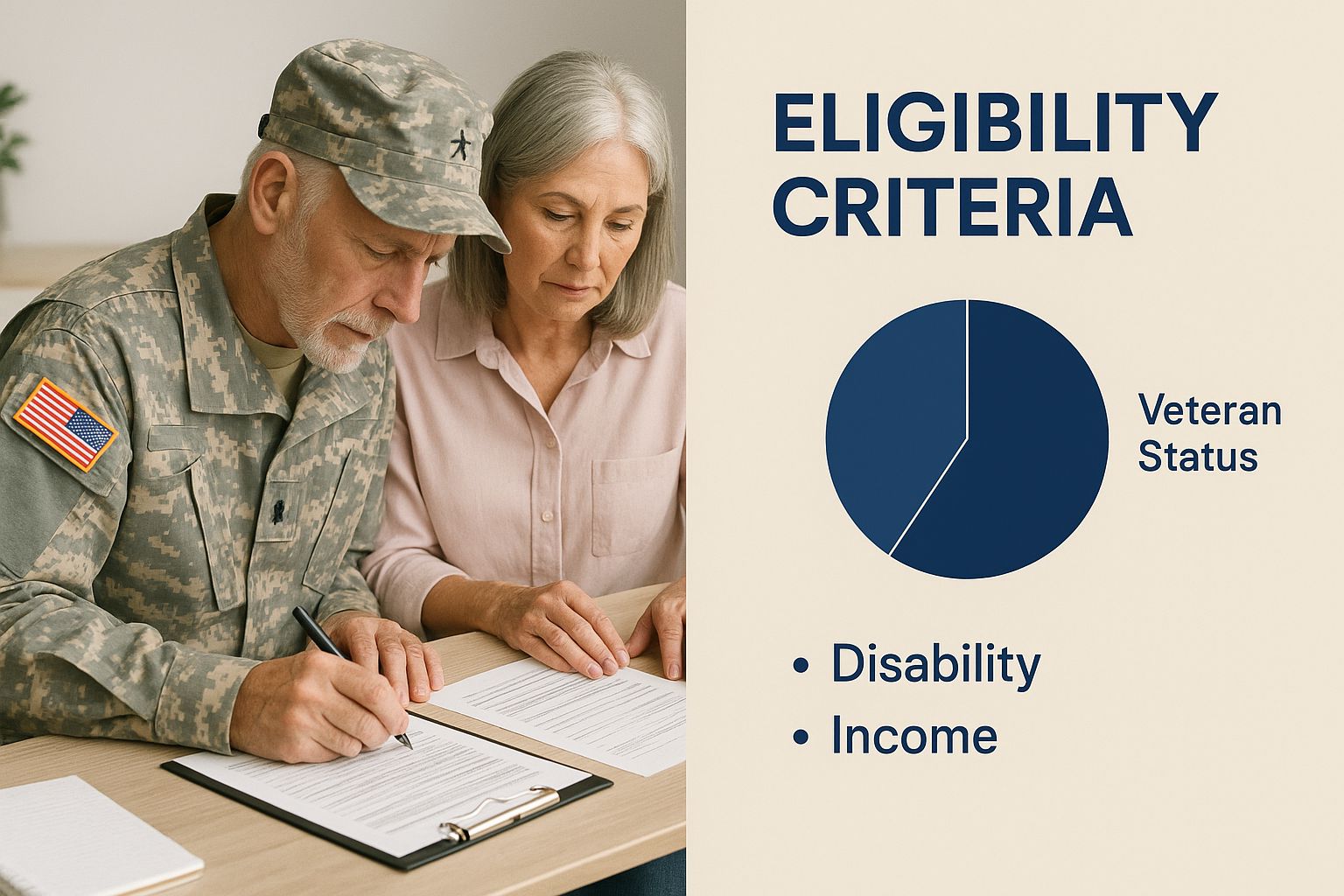
The infographic above provides a helpful overview of eligibility criteria for veteran property tax exemptions. Understanding these qualifications is the first step in accessing these potentially significant financial benefits. Many veterans are unaware of the full range of exemptions available, and as a result, may be missing out on considerable savings.
To offer a more detailed comparison, the table below outlines key aspects of veteran property tax exemptions in several major states. It's important to remember that these programs can change, so it's always best to verify the latest information with the relevant state tax authority.
State-by-State Veterans Property Tax Exemption Comparison:
This table compares exemption amounts, eligibility requirements, and benefit types across major states.
| State | Basic Exemption Amount | 100% Disabled Veteran Benefit | Minimum Disability Rating Required | Surviving Spouse Coverage |
|---|---|---|---|---|
| California | Varies by county | Up to $150,000 | Varies by county | Yes, in many cases |
| Texas | $5,000 | Full exemption | 100% | Yes |
| Florida | $5,000 | Additional exemption | Varies by county | Yes |
| Illinois | Varies by county | Up to full exemption | Varies by county | Yes, in some cases |
| New York | Varies by municipality | Up to full exemption | Varies by municipality | Yes, in some cases |
Key insights from the table include the widespread availability of surviving spouse benefits and the importance of a 100% disability rating for full exemption in many states. The variation in basic exemption amounts also demonstrates the need for veterans to research their specific state’s programs.
Leading State Programs: Texas as a Case Study
Texas stands out as a state with a strong commitment to veteran welfare, exemplified by its property tax exemption program. The state offers a tiered system based on VA disability ratings. Veterans with a 10% to 29% disability rating receive a $5,000 exemption, while those with a 100% disability rating qualify for a full exemption on their primary residence. This structured approach reflects both the substantial veteran population in Texas and the state’s dedication to providing meaningful support. For more information on Texas property tax benefits for disabled veterans, see Discover more insights about veteran property tax exemptions.
Impact of Disability Ratings and Strategic Relocation
VA disability ratings are a critical factor in determining the level of property tax exemption a veteran can receive. This direct correlation between disability rating and financial relief encourages veterans to ensure their VA disability claims accurately represent their service-connected conditions. The variability in benefits from state to state can also lead veterans to consider relocating to areas with more advantageous programs. Such strategic relocation can result in substantial long-term financial gains.
Expanding Programs and Future Opportunities
Across the country, states are actively expanding their veteran property tax exemption programs. Some are increasing exemption amounts to offset rising property values, while others are introducing new programs tailored to specific veteran demographics, such as those who served in World War II. Staying informed about these evolving benefits is essential for maximizing your potential savings. By understanding existing programs and potential future developments, veterans can make well-informed decisions about their housing and financial future. This knowledge also allows veterans to advocate for continued program improvements and expansions, ensuring they receive the financial support they deserve for their service. Accessing these benefits not only provides individual financial relief but also strengthens the veteran community.
Cracking The Eligibility Code
Understanding eligibility for property tax exemptions for veterans isn't simply a matter of checking boxes. It's about maximizing the benefits earned through service. This involves knowing how VA disability ratings translate into exemption eligibility and which documents are crucial for a successful application.
VA Disability Ratings and Eligibility
Your VA disability rating plays a significant role in determining your property tax exemption. This rating, assigned by the Department of Veterans Affairs, reflects the severity of your service-connected disabilities. A higher rating often translates to a larger exemption.
For example, some states offer a full exemption for veterans with a 100% disability rating. Those with lower ratings might receive partial exemptions. It's important to distinguish between service-connected disabilities and non-service-connected disabilities. Typically, only service-connected disabilities are considered for property tax exemptions.
Essential Documentation
Gathering the right documentation is vital for a smooth application process. Here are some key documents you'll likely need:
- DD214 (Certificate of Release or Discharge from Active Duty): This document proves your military service history.
- VA Disability Rating Letter: This letter confirms your disability rating and its connection to your service.
- Proof of Residency: This documentation establishes that the property for which you're claiming the exemption is your primary residence.
Navigating property tax exemptions often requires understanding community regulations. For more insights, explore resources like HOA board training.
Partial Disability Ratings and Changing Disability Status
Even partial disability ratings can qualify you for exemptions. However, the amount will likely be less than a full exemption. Understanding how your specific state handles partial ratings is essential.
If your disability status changes, update your application to reflect the adjustment, as this could affect your exemption amount.
Common Pitfalls and Special Circumstances
Several issues can complicate the application process. Being aware of these beforehand can save time and frustration:
- Property Ownership Requirements: Many states require the veteran to be the legal owner of the property.
- Residency Restrictions: You typically need to reside in the property to qualify for the exemption.
- Remarriage of Surviving Spouses: Remarriage can affect a surviving spouse's eligibility, depending on state laws.
Real-World Examples
Understanding eligibility criteria and presenting a well-prepared application is crucial for receiving the full benefits you've earned.
Consider a veteran with a 70% disability rating. In some states, this might qualify them for a significant property tax reduction, potentially saving thousands of dollars annually. However, if they fail to provide the proper documentation, their application could be delayed or denied.

In another scenario, a surviving spouse might lose their exemption upon remarriage unless their state has specific provisions for such cases. These examples highlight the importance of being thoroughly prepared.
California's Game-Changing Veteran Benefits
California leads the way in supporting its veterans, providing a wide range of benefits that extend far beyond basic property tax exemptions. The state's commitment is evident in its recent expansions, which have significantly boosted the financial relief available to those who have served. These programs act as a model for other states hoping to improve their own veteran support systems.
California's Veterans' Exemption and Disabled Veterans' Exemption
California offers two main programs: the Veterans' Exemption and the Disabled Veterans' Exemption. The Veterans' Exemption offers a substantial property tax reduction for qualifying veterans, regardless of disability status. This base-level exemption makes homeownership more accessible for all veterans who meet California's service requirements.
The Disabled Veterans' Exemption provides even more support for veterans with service-connected disabilities. This program offers increasing relief based on the veteran's disability rating, potentially eliminating property taxes entirely for those with a 100% disability rating. This tiered approach ensures that veterans with the greatest needs receive the most substantial financial assistance.

The Board of Equalization's Role
The California Board of Equalization (BOE) plays a vital role in managing these important programs. The BOE oversees the application process and makes sure that eligible veterans receive the appropriate exemption amounts. This oversight creates a structured and dependable system for benefit distribution, ensuring transparency and accountability. This streamlined process simplifies the property tax exemption process for veterans, ensuring they receive their benefits accurately and on time.
California's dedication to veteran well-being is clear in its history and legislation related to property tax relief. In 2024, California expanded these exemptions, increasing the basic exemption amount to $169,769. This adjustment reflects the state's ongoing commitment to offsetting rising property values and providing meaningful financial support. Veterans with a 100% disability rating can qualify for a full exemption from property taxes on their primary residence. Explore this topic further
Benefits for Surviving Spouses
California's support extends beyond veterans themselves to their surviving spouses under certain conditions. This allows the benefits earned through military service to continue providing financial stability for families even after a veteran's passing. Specific requirements, such as remaining unmarried, often apply to these provisions. Consulting the official regulations is crucial for accurate and up-to-date details. This commitment highlights California's comprehensive approach to supporting the veteran community.
California's Influence and Appeal
California's robust program benefits its residents and sets a national precedent. The state's innovative approach to veteran property tax exemptions influences benefit structures across the country. Additionally, California's generous benefits attract veterans nationwide, contributing to a diverse and thriving veteran community. The combination of financial relief, supportive services, and a welcoming atmosphere makes California an appealing place for veterans to settle and build a future. This positive cycle reinforces California’s leadership in veteran support.
New Opportunities and Expanding Benefits
The landscape of property tax exemptions for veterans is constantly changing, with states increasingly recognizing the importance of providing robust support. This is particularly true for aging veteran populations and in response to rising property values nationwide. This means new opportunities and expanded benefits are frequently becoming available for veterans and their families.
Groundbreaking Legislative Changes and Advocacy Efforts
Several states are taking significant steps to address the financial challenges veterans face. These initiatives are often driven by advocacy from veteran organizations like the Homefront Group and a growing public awareness of the need for improved support. Some states have recently increased exemption amounts, while others have introduced entirely new programs for specific veteran demographics. These legislative changes reflect a broader societal appreciation for the sacrifices veterans have made.
For example, Illinois established a groundbreaking property tax exemption for World War II veterans in 2024. This landmark legislation permanently exempts qualifying World War II veterans from property taxes on their homes. Implemented in 2025, the program acknowledges the service of these aging veterans. Learn more about this significant development
Adapting to Contemporary Challenges
States are also adapting their property tax exemption programs to address modern challenges like the current housing affordability crisis. By increasing exemption amounts or broadening eligibility criteria, states can offer more substantial financial relief to veterans facing rising housing costs. This helps veterans remain in their homes and communities, contributing to their overall well-being and financial stability.
For veterans interested in California's real estate market, understanding licensing requirements is essential. California Real Estate License Requirements provides a helpful resource.
Emerging Trends and Leading States
Several key trends are shaping the future of veteran property tax exemptions:
- Targeted programs for specific demographics: Programs like the one in Illinois for World War II veterans demonstrate a growing trend of customizing benefits to the specific needs of different veteran groups.
- Increased exemption amounts: Many states are raising exemption amounts to keep up with rising property values, ensuring the benefits remain effective and impactful.
- Simplified application processes: Recognizing the difficulty of navigating bureaucratic systems, some states are streamlining their application processes, making it easier for veterans to access benefits.
States like California, Texas, and Illinois continue to be at the forefront of veteran property tax exemption innovation. Their programs offer valuable models for other states looking to improve their veteran support systems.
Staying Informed and Positioning Yourself for Future Opportunities
The constantly evolving nature of these benefits highlights the importance of staying informed. Regularly checking with your state's Department of Veterans Affairs or veteran organizations can help you understand the latest updates and available resources. This proactive approach will help you identify new opportunities and maximize your property tax savings, ultimately contributing to your long-term financial well-being. By staying informed about these programs, veterans can better position themselves to take full advantage of the financial relief available. This awareness also empowers veterans to advocate for continued program improvements and expansion.
Getting Your Application Right The First Time
Application mistakes can cost veterans thousands of dollars in delayed or denied property tax exemptions. This section provides a step-by-step guide to the application process, offering insights gleaned from veterans and tax professionals. By understanding the process and its potential pitfalls, you can ensure you secure every dollar of the benefits you’ve earned.
Understanding the Application Process
The application process for property tax exemptions varies by state. However, some common elements exist across most programs. Generally, the process involves a few key steps.
-
Obtaining the correct application form: This is usually available from your local tax assessor’s office or the state’s Department of Veterans Affairs website.
-
Gathering supporting documentation: This typically includes proof of military service (like your DD214), proof of disability (if applicable), and proof of residency.
-
Submitting the application: Be sure to meet all deadlines, which can vary by state and locality.
Essential Documents and How to Handle Complications
Having the necessary documents is crucial for a successful application. The table below outlines typical documentation requirements and provides a helpful checklist for veterans navigating this process.
To make the application process smoother, we've compiled a checklist of necessary documents and where to find them. This table outlines the typical documentation requirements, their purpose, where to obtain them, the typical processing time, and whether renewal is required.
Veterans Property Tax Exemption Application Checklist: Complete documentation and timeline requirements for applying for veteran property tax exemptions.
| Required Document | Purpose | Where to Obtain | Typical Processing Time | Renewal Required |
|---|---|---|---|---|
| DD214 | Proof of military service | National Archives and Records Administration | Varies | No |
| VA Disability Rating Letter | Confirms disability rating | Department of Veterans Affairs | Varies | May be required if disability status changes |
| Proof of Residency | Confirms primary residence | Utility bills, mortgage statements | Immediate | No |
| Marriage Certificate (for surviving spouses) | Confirms marital status | Vital records office (varies by state) | Immediate | No |
Sometimes, complications arise, such as missing military records or outdated disability assessments. If you encounter such challenges, contact your local Veterans Service Officer or a qualified legal professional specializing in veteran benefits, like the Homefront Group, for assistance.
Addressing Special Situations
Several unique circumstances can create confusion during the application process. Here are a few examples:
-
Inherited Property: Whether or not you qualify for an exemption on inherited property depends on individual state laws. Some states allow the exemption to transfer, while others do not.
-
Remarriage Scenarios: For surviving spouses, remarriage might affect eligibility for the exemption. This, too, is determined by state law.
-
Relocating Between States: If you move to a new state, you’ll need to reapply for the exemption in that state, ensuring you comply with their specific regulations.
Practical Examples and Real Application Scenarios
Let’s look at a specific example. Imagine a veteran moves from Texas to California. In Texas, they received a property tax exemption based on their 70% disability rating. When they move to California, they must reapply for the exemption and ensure they meet California’s specific criteria.
Another example involves a surviving spouse who remarries. In some states, remarriage could lead to the loss of the exemption. However, in other states, the spouse might retain the exemption. Understanding the specific regulations in your state is critical.
Appealing Denied Applications
If your initial application is denied, don’t be discouraged. You have the right to appeal the decision. Contact your local tax assessor’s office or your state’s Department of Veterans Affairs for information on the appeals process. Keeping thorough records of your application and any communications with the relevant agencies is incredibly beneficial during the appeals process. This organized approach strengthens your case and increases your chances of a successful appeal. Access to legal counsel experienced with veteran benefits can be a significant advantage in navigating the complexities of the appeals process.
Key Takeaways
Successfully navigating the complexities of property tax exemptions for veterans requires a strategic approach. This section provides actionable insights to help you maximize your benefits. From initial eligibility checks to appealing denied applications, understanding the process is key to securing the financial relief you deserve.
Understanding Your Eligibility and Gathering Crucial Documents
Before starting the application process, confirm your eligibility. This includes understanding the specific requirements of your state, which can vary significantly. Your VA disability rating, if applicable, plays a key role in determining your exemption level.
Gathering all necessary documents beforehand will prevent delays and frustrations. Essential documents often include:
- DD214: This form confirms your military service history and is fundamental to any veteran benefit application.
- VA Disability Rating Letter: If you are claiming a disability-based exemption, this document is essential.
- Proof of Residency: This verifies that the property in question is your primary residence.
Navigating the Application Process and Avoiding Common Pitfalls
The application process itself can be intricate. Pay close attention to deadlines, which can vary by locality. Common mistakes include incomplete applications and missing documentation. These errors can lead to delays or denials, costing you valuable time and money.
Special Considerations and Strategies for Success
Several situations require special attention. For surviving spouses, remarriage can impact eligibility, depending on state laws. Inheriting property doesn’t automatically guarantee exemption transfer. Understanding these nuances is vital for a smooth process.
Here are some best practices for maximizing your benefits:
- Combine multiple exemption types: If you are eligible for more than one exemption, combine them to maximize your savings.
- Stay informed about program changes: Veteran benefit programs can change. Stay updated to ensure you are receiving all available benefits.
- Appeal denied applications: Don’t be discouraged by a denial. You have the right to appeal and should exercise it if you believe the decision was incorrect.
Maintaining Your Benefits Through Life Changes
Life changes such as relocating or changes in disability status can affect your benefits. If you move to a new state, be sure to reapply for the exemption in that state, adhering to their specific regulations.
If your disability status changes, promptly update your information with the relevant authorities to ensure your exemption accurately reflects your current situation. This proactive approach will help you avoid potential interruptions in your benefits.
Securing the Tax Relief You Have Earned
Securing property tax exemptions requires a proactive and informed approach. By understanding your eligibility, meticulously gathering documents, and diligently following the application process, you can significantly reduce your property tax burden. Don’t leave money on the table. Take the necessary steps to claim the financial relief you have earned through your service.
For expert guidance in navigating the often complex landscape of veteran benefits, including property tax exemptions, contact the Homefront Group at https://homefrontgroup.com/. Their team of experienced professionals, including veterans themselves, provides personalized support to ensure you receive every dollar you deserve.