
From Battlefield to Boardroom: Understanding the Shift
The journey from military service back to civilian life brings unique obstacles and opportunities. From the structured environment of military operations to the multifaceted civilian world, veterans face significant adjustments in their daily routines, relationships, and professional lives. Since World War II, when over 12 million service members returned home, the processes and resources for supporting this transition have continuously improved through hard-earned lessons and dedicated support programs.
Military service instills exceptional qualities – strong discipline, proven leadership capabilities, and results-driven focus. However, these same strengths can sometimes create unexpected challenges in civilian settings. The key is translating military experience into civilian terms while building new support networks. Successful transitions require addressing both practical needs like employment and benefits, as well as personal aspects like mental health care and family reintegration.
This guide explores eight vital areas where veterans commonly face hurdles during their shift to civilian life:
- VA claims and appeals processes
- Toxic exposure cases and documentation
- Medical malpractice claims
- Estate planning and financial management
- Motor vehicle accident cases
- Worker's compensation claims
- First responder injury compensation
- Career transition strategies
We'll provide clear, actionable guidance and connect you with valuable resources for each challenge. Our goal is to equip you with practical tools and knowledge to take charge of your civilian transition and build the next successful chapter of your life.
1. Career Path Translation
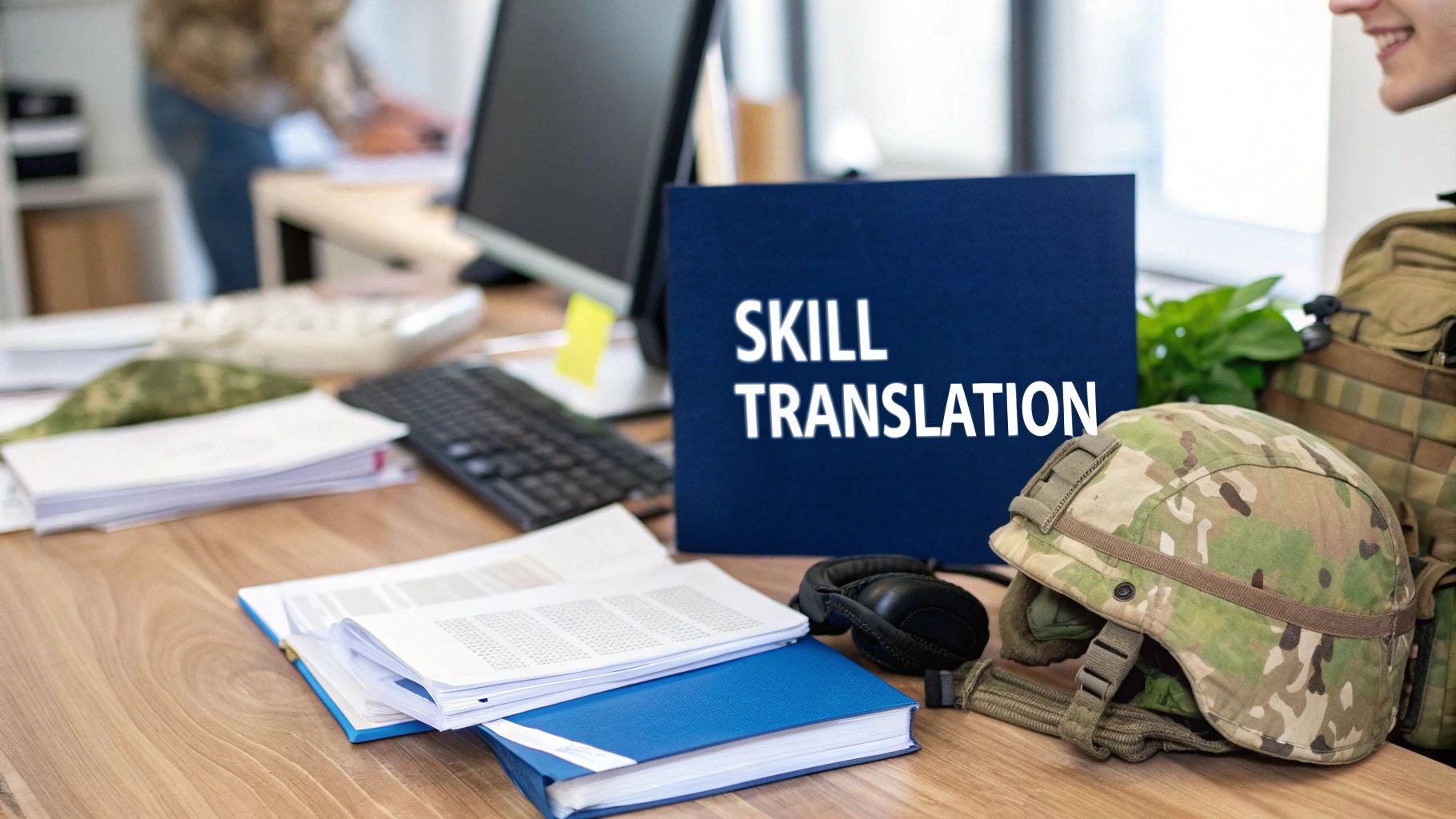
When veterans move from military service to civilian jobs, they often face a major hurdle: explaining their military background in terms civilian employers can understand. Being able to properly translate military experience into civilian equivalents is key for veterans seeking new careers.
Understanding the Concept
Military roles use specific codes and titles (Military Occupational Specialties or MOS) that don't directly match civilian job descriptions. For example, a military medic gains extensive medical and emergency response skills, but may struggle to explain this experience to civilian healthcare employers.
Military to Civilian Skills Translation involves carefully converting each MOS into relatable civilian terms. Many veterans have strong leadership abilities and technical expertise from their service, but these valuable skills often go unrecognized when not properly explained in civilian workplace language.
Communication Challenges: Veterans frequently find it difficult to fully describe their training and experience without using military terminology. The gap between military and civilian workplace language can make it hard for employers to grasp a veteran's true capabilities.
Making Progress
More organizations now recognize the importance of helping veterans translate their skills. Government agencies and veterans' groups have created useful tools like O*NET and Military.com to help match military experience to civilian careers.
Real Examples
Military logistics specialists often succeed in civilian supply chain roles, but first need help explaining their experience effectively. With proper guidance and translation tools, many have found great positions in retail distribution, manufacturing, and transportation logistics.
Practical Steps for Success
- Use Skills Translation Tools: Websites like O*NET and Military.com help match military roles to civilian jobs
- Meet with Career Counselors: Specialists in veteran transitions provide personalized advice
- Highlight Key Skills: Focus on universal qualities like leadership, reliability, and problem-solving
- Update Your Resume: Replace military terms with common civilian phrases and descriptions
Value and Importance
Effective career translation directly impacts a veteran's success in finding civilian work. Without clear ways to explain their military background, veterans may miss out on job opportunities that match their skills and experience.
Benefits and Challenges
Benefits:
- Veterans offer proven leadership skills
- Military training builds strong work ethics
Challenges:
- Many employers don't understand military roles
- Some military skills need adaptation for civilian use
For helpful career translation resources, visit Military.com Skills Translator.
Clear communication of military experience helps veterans find meaningful civilian careers. With the right approach and resources, veterans can successfully show employers the full value of their military background.
"Cultural Adjustment" section in a more human, informative style while preserving key elements:
2. Cultural Adjustment

Moving from military service to civilian work life brings unique challenges. The shift affects everything from how veterans communicate to how they handle daily workplace interactions. This transition period is critical for long-term success in civilian careers and impacts areas like VA claims, medical matters, and financial planning.
Military culture is built on clear command structures and direct communication. When veterans enter civilian workplaces, they often encounter a very different environment – one with subtle social rules and less defined hierarchies.
Key differences veterans face include:
- Communication Style Changes: While military communication is direct and clear, civilian workplaces often value diplomatic, nuanced communication
- Different Leadership Structures: Civilian organizations typically have flatter hierarchies, which can be confusing for those used to clear chains of command
- New Decision-Making Approaches: Civilian decisions often involve group input and consensus rather than top-down directives
Benefits of Successfully Adapting:
- Growth in Social Skills: Learning civilian workplace norms helps build valuable skills in negotiation and relationship building
- Better Work-Life Balance: Many civilian jobs offer scheduling flexibility not found in military roles
Common Challenges:
- Feeling Out of Place: Missing the strong bonds and shared experiences of military service
- Initial Disorientation: The stark differences between military and civilian workplace cultures can be overwhelming
- Structure Adjustment: Adapting to less regimented civilian work environments takes time
Real Examples of Support:
Major companies like Boeing, Microsoft, and Amazon have created programs specifically to help veterans adjust to corporate culture. These initiatives have grown from basic job placement to comprehensive support systems that address cultural integration needs.
Practical Steps for Success:
- Connect with Veteran Groups: Join workplace veteran resource groups to meet others who understand your experience
- Find a Veteran Mentor: Partner with someone who has successfully made the transition
- Take Culture Training: Learn about civilian workplace expectations through dedicated courses
- Practice New Communication: Work on adapting your communication style to match civilian norms
Making a successful cultural transition is essential for veterans entering civilian careers. Understanding workplace differences and using available resources helps create a smoother adjustment period. This foundation supports success in all areas of civilian life, from managing legal matters to planning for the future.
3. Financial Management
Moving from military to civilian life brings significant changes in how you manage your money. The military provides structured pay and benefits like housing allowances, healthcare, and retirement plans. When transitioning to civilian roles, veterans need to adapt to different compensation systems and benefits packages.
Understanding the Shift
The switch to civilian financial systems can be eye-opening. Take John, a Navy veteran who moved into civilian engineering. Despite higher potential earnings, he found it challenging to adapt from the military's Thrift Savings Plan (TSP) to standard 401(k) plans. Understanding these key differences helps veterans better handle their finances during transition.
Support Programs Available
Financial guidance for veterans has grown significantly. The Department of Defense's Transition Assistance Program (TAP) helps service members understand their new financial situation. These programs now put greater emphasis on practical money management skills that veterans need.
Key Changes to Consider
The main financial shifts include healthcare coverage, housing costs, and retirement planning. Many veterans gain more control over their career choices and pay. For example, Alex, an Army veteran, used his GI Bill benefits for education to increase his earning potential.
Advantages
- Potential for higher income
- More flexibility in career choices
Challenges
- Transition from military benefits
- Income may be unpredictable at first
- Living costs often increase
Practical Money Management Tips
Here's how to handle finances during transition:
-
Make a Transition Budget: Map out expected income and costs to avoid financial stress
-
Review Healthcare Plans: Compare civilian healthcare options to find affordable coverage that meets your needs
-
Know Your GI Bill Benefits: Using education benefits can open up better career opportunities
-
Look Into VA Home Loans: These loans can help offset the loss of military housing allowances
Why Financial Planning Matters
Smart money management is essential for veterans moving to civilian life. Having a clear financial plan makes the difference between a smooth or difficult transition. Veterans need to understand how their finances will change, especially those dealing with VA claims.
For more information and resources, visit Veteran Resources.
Good financial planning creates a strong foundation for veterans starting their civilian careers. Following these strategies helps ensure both short-term stability and long-term financial success.
4. Education and Training Gaps

Making the switch from military to civilian work comes with its own set of challenges. One of the biggest hurdles veterans face is bridging education and training gaps. While military experience provides valuable skills, employers often look for specific civilian qualifications that veterans may not yet have.
Key Training Challenges
When entering the civilian workforce, veterans frequently need additional education or professional certifications to qualify for their target roles. Many industries have strict requirements for academic degrees and certifications that differ from military training standards. This mismatch between military and civilian qualifications can make the job search more complex.
Success Stories and Programs
The VET TEC program shows how veterans can effectively bridge these gaps. For example, combat medics bring extensive hands-on medical experience but typically need civilian certifications to work in healthcare. Veteran transition programs help servicemembers understand what qualifications they need and how to obtain them.
Growing Need for Certifications
As job markets become more competitive, having the right credentials has become essential. Programs like the Post-9/11 GI Bill and the Veterans Job Training Act provide crucial financial support for veterans pursuing additional education and training.
Tips for Success
Veterans can take these practical steps:
- Start Research Early: Look into required certifications for your target career field
- Use GI Bill Benefits Wisely: Apply benefits toward programs that align with career goals
- Consider Fast-Track Programs: Look for accelerated training designed for veterans
- Choose Veteran-Friendly Schools: Pick schools experienced in supporting military students
Why This Matters
Education gaps significantly impact veterans' career transitions. Getting the right qualifications is key for success in civilian roles. This issue affects veterans across many fields, from those needing help with VA claims to those starting new careers after service-related injuries.
Key Components
- Civilian Credentials: Getting recognized certifications for civilian employers
- College Degrees: Meeting academic requirements for desired positions
- Specialized Training: Learning industry-specific skills directly applicable to new roles
Benefits and Challenges
Benefits:
- Access to education funding through GI Bill
- Support from veteran education programs
Challenges:
- Time needed for additional schooling
- Often starting in entry-level positions
- Certification costs
By addressing education gaps early and using available resources wisely, veterans can build successful civilian careers that combine their military experience with new civilian qualifications. The key is planning ahead and connecting with supportive resources throughout the transition process.
5. Mental Health and Well-being
Adjusting to civilian life after military service brings significant psychological challenges. Veterans often face stress, anxiety, and in some cases post-traumatic stress disorder (PTSD) during this major life change. Having the right support and resources is essential for making this transition successfully.
Understanding the Challenges
Moving from military to civilian life involves much more than just changing jobs – it requires rebuilding your entire identity and way of life. The military provides clear structure, purpose and community. Without these familiar elements, many veterans struggle to find their footing and new sense of self. The shift from tight-knit military units to looser civilian social networks can leave veterans feeling isolated.
Key Transition Challenges
-
Daily Routine Changes: Adapting to less structured civilian schedules and environments can create significant stress
-
Personal Identity: Finding new meaning and purpose outside of military service
-
Support Networks: Building new social connections while maintaining military relationships
Growing Recognition
There is increasing focus on veterans' mental health needs during civilian transition. More organizations now offer specialized mental health programs for veterans. The reduction of stigma around mental health care has helped more veterans access support services.
Advantages and Disadvantages
Benefits
- VA Mental Health Services: Extensive mental health care options through Veterans Affairs
- Growing Support Systems: More veteran-focused mental health resources and community support available
Challenges
- Stigma: Some veterans still hesitate to seek mental health support
- Civilian Understanding: Many civilians don't fully grasp military experiences
- Treatment Access: Long wait times for VA mental health services remain an issue
Tips for Supporting Mental Health
- Join Veteran Groups: Connect with others who understand your experience
- Start Counseling Early: Don't wait for issues to become severe before seeking help
- Use Stress Management: Practice proven techniques like mindfulness and exercise
- Stay Connected: Maintain relationships with fellow service members
Why Mental Health Matters
Good mental health provides the foundation for successfully transitioning to civilian life. Without proper mental health support, veterans may struggle with employment, relationships, and overall adjustment. Prioritizing mental wellness helps create sustainable long-term success after military service.
Veterans and first responders can find mental health resources through Veterans Affairs Mental Health Services.
Mental health and emotional well-being are core components of a successful military-to-civilian transition. With the right support, veterans can build fulfilling civilian lives while honoring their military service.
6. Networking and Professional Relationships
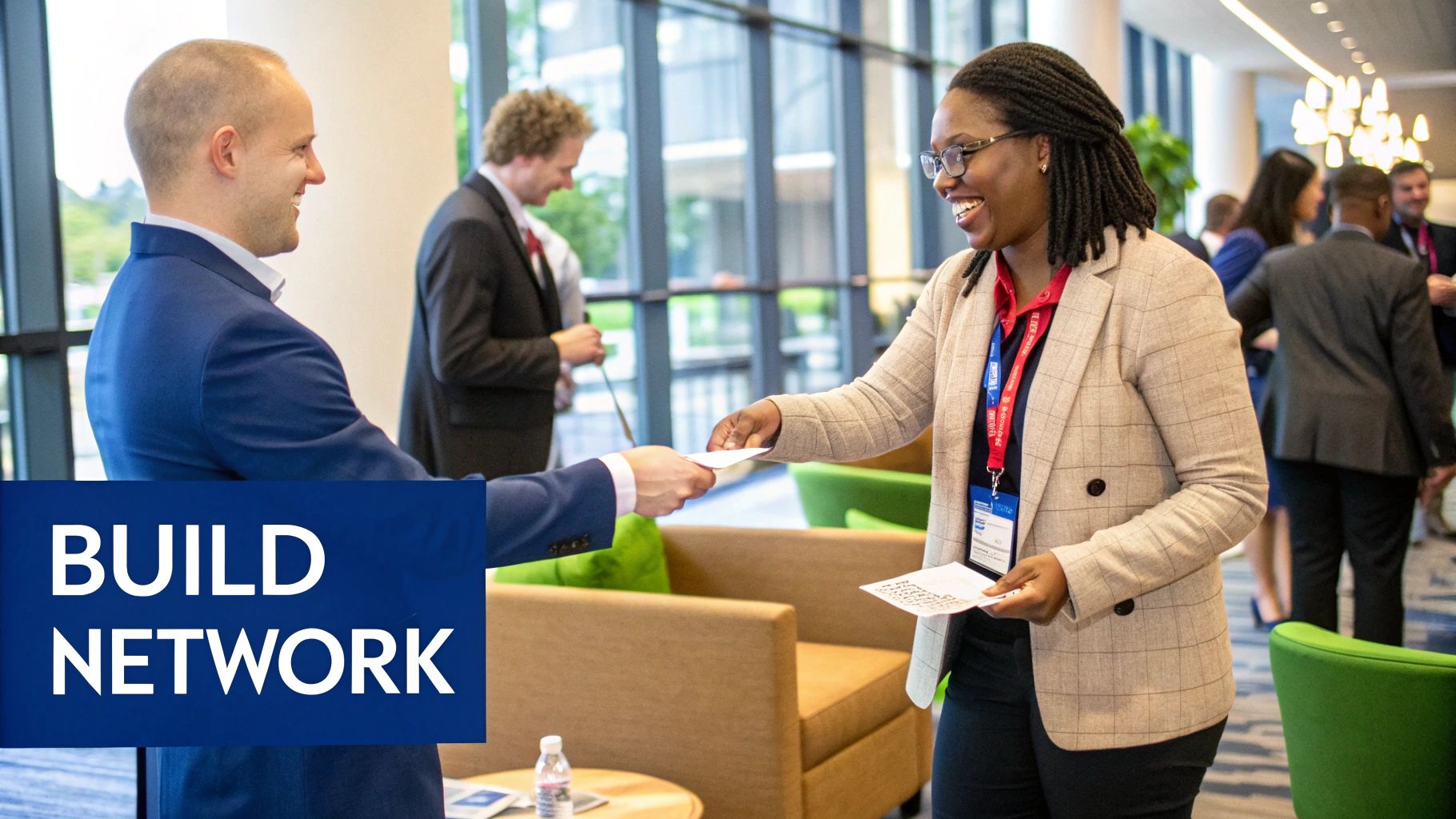
Moving from military service to civilian life creates unique challenges, particularly around professional networking. For veterans and first responders seeking assistance with VA claims, toxic exposure cases, medical issues, estate planning, or workers' compensation, building a strong civilian network is essential. This network can provide career opportunities, business connections, and access to vital resources.
The military environment naturally fosters strong bonds and built-in support systems. However, civilian networking requires a different approach. You'll need to actively seek out connections, understand business networking norms, and deliberately build relationships outside the military context.
More organizations now recognize the distinct networking needs of transitioning service members. Many programs specifically help veterans and first responders build civilian professional relationships and navigate this shift.
Key Aspects of Civilian Networking:
- Professional Events and Groups: Includes industry conferences, association meetings, and LinkedIn networking
- Building Business Relationships: Centers on creating authentic connections with others in your field
- Industry-Specific Networking: Focuses on meeting people in your target career sector
Benefits:
- Strong Support Systems: Organizations like American Corporate Partners provide veteran-focused mentoring
- Military Alumni Groups: Service branches and military schools maintain active alumni networks
Challenges:
- Limited Industry Contacts: Many veterans have strong military networks but few civilian connections
- Different Social Norms: Civilian networking events follow unfamiliar social rules
- Location Changes: Moving to new areas after service makes building local networks harder
Real Example: Consider a veteran moving from Army logistics to civilian supply chain management. Joining the Association for Supply Chain Management and attending industry events becomes crucial. Connecting with mentors through veteran support organizations provides guidance during the transition.
Practical Steps:
- Join relevant professional organizations in your field
- Attend industry conferences and networking events
- Create and maintain an active LinkedIn presence
- Connect with veteran business groups and mentors
Remember that networking is about building real relationships, not just collecting business cards. While it takes time and effort, strong professional connections can significantly help veterans and first responders succeed in civilian life, especially when seeking legal, financial, or career support. Focus on understanding civilian networking norms while staying authentic to build lasting professional relationships.
7. Family Transition
Military to civilian life transition affects the entire family unit. Each family member faces their own set of challenges during this period of change. Success depends on addressing these challenges head-on and supporting each family member through the process.
Geographic relocation presents one of the biggest shifts. While military families are used to moving frequently, choosing a permanent civilian home requires careful consideration. This offers a chance for family stability and putting down roots, but also means leaving behind the close-knit military community. Many families find this loss of built-in support particularly difficult, especially spouses who relied heavily on connections with other military families.
Family dynamics undergo major changes when service members return home full-time. The shift from deployment cycles to constant presence requires adjusting daily routines and responsibilities. For example, spouses who managed everything during deployments must now share decision-making and household duties. With good communication, this can strengthen family bonds.
For military spouses, finding meaningful employment often poses challenges. Years of frequent moves may have disrupted career progress. While civilian life offers career stability, translating military spouse experience into civilian qualifications takes work. Starting over in a new location adds another layer of difficulty.
Children's needs require special attention during transition. Military kids face unique pressures when changing schools, making new friends, and adapting to civilian community life. While a permanent home provides stability, the initial adjustment period can be stressful, particularly for teens.
Building new support networks helps fill the void left by military community ties. Local veteran organizations, community groups, and faith-based programs offer ways to connect and find belonging.
Pros:
- Greater stability: Ability to establish permanent roots in one location
- Location flexibility: Freedom to choose where to live based on family needs
Cons:
- Reduced support: Loss of built-in military community network
- School transitions: Disruption to children's education and social connections
- Career challenges: Difficulty translating military spouse experience to civilian jobs
Tips for a Smoother Family Transition:
- Research locations carefully: Compare schools, living costs, and community resources
- Access spouse career help: Use programs like the Department of Defense's SECO for job search support
- Support children: Include kids in planning, listen to concerns, help them adjust
- Find veteran connections: Join organizations like VFW or American Legion for community
- Get professional support: Work with counselors experienced in military transitions
Taking a proactive approach to family transition challenges helps create a strong foundation for civilian life success. With proper planning and support, military families can thrive in their new civilian chapter.
8. Benefits Navigation
Understanding veteran benefits can feel as challenging as a military operation. From healthcare to education benefits, the support available can make a real difference in your transition – if you know how to access it.
The Department of Veterans Affairs (VA) provides many programs to help veterans build their civilian lives. These include the VA healthcare system, GI Bill education benefits, disability compensation, home loans, and vocational rehabilitation.
Features:
- VA Benefits System: Support network covering healthcare, education, housing and more
- Education Benefits: College funding and vocational training through the GI Bill
- Healthcare Coverage: Smooth transition from military to VA medical care
Pros:
- Wide Range of Support: Programs that address many veteran needs
- Lifelong Benefits: Many benefits like healthcare for service injuries never expire
Cons:
- Complex Process: Paperwork and requirements can be difficult to understand
- Slow Processing: Benefits can take months or years to be approved
- Different Rules: Each benefit has its own eligibility requirements
Real-World Examples:
Take an Iraq veteran dealing with respiratory problems from burn pit exposure. Getting disability benefits requires detailed medical records, service documentation, and multiple forms. Or consider a veteran trying to use their GI Bill – understanding how benefits apply to specific degree programs isn't always clear. Many veterans face similar bureaucratic challenges.
History and Growth:
The original GI Bill after World War II pioneered education benefits for veterans. Since then, VA benefits have grown to include more services as veteran needs evolved. The VA healthcare system has also expanded significantly, now serving millions.
Practical Tips:
- Plan Early: Research benefits before leaving service
- Work with VSOs: Get help from Veterans Service Organizations
- Keep Records: Document service-related medical conditions thoroughly
- Watch Deadlines: Submit applications on time to avoid delays
Why This Matters:
Benefits navigation is crucial because it directly impacts veterans' wellbeing and success after service. Understanding benefits can mean the difference between struggling and thriving in civilian life. This is especially important for veterans dealing with service injuries, exposure claims, or needing help with financial and legal matters.
8-Point Military-to-Civilian Transition Challenge Comparison
| Challenge | 🔄 Implementation Complexity | ⚡ Resource Requirements | 📊 Expected Outcomes | 💡 Ideal Use Cases | ⭐ Key Advantages |
|---|---|---|---|---|---|
| Career Path Translation | Moderate – requires mapping military roles to civilian terms | Moderate – tools & counseling needed | Increased marketability and improved resume conversion | Veterans transitioning to civilian job markets | Leverages leadership, discipline, and specialized military skills |
| Cultural Adjustment | Moderate – shift from structured to flexible environments | Low-Moderate – mentorship and peer support | Enhanced interpersonal skills and smoother cultural integration | Veterans adapting to civilian workplace norms | Opportunity to develop new communication and adaptability skills |
| Financial Management | High – involves complex budgeting and planning | High – financial planning and advisory services required | Better compensation alignment and long-term financial control | Veterans restructuring civilian financial setups | Greater earning potential and more control over career compensation |
| Education and Training Gaps | High – additional education or certifications needed | High – investment in time and education resources | Qualification for desired positions and career advancement | Veterans requiring new certifications or academic degrees | Access to GI Bill benefits and tailored educational support |
| Mental Health and Well-being | Moderate – managing stress, PTSD, and identity shifts | Moderate – support networks and counseling services | Improved well-being and long-term mental health stability | Veterans experiencing stress and adjustment issues | Availability of comprehensive VA mental health programs |
| Networking and Professional Relationships | Moderate – building new contacts outside military circles | Low – relies on events, online tools, and associations | Expanded professional networks and better industry connections | Veterans seeking to integrate into civilian industries | Strong support from veteran networks and alumni communities |
| Family Transition | High – involves relocation, spouse employment, children’s adjustments | High – extensive family and support services required | Enhanced family stability and smoother adjustment process | Military families facing relocation and lifestyle shifts | Opportunity to choose family-friendly locations and new support systems |
| Benefits Navigation | High – navigating complex VA processes and eligibility criteria | Moderate-High – requires guidance from experts | Secured access to lifetime and comprehensive veteran benefits | Veterans needing assistance with benefit applications | Comprehensive benefits with long-term access and support services |
Embracing the Journey Ahead
Moving from military to civilian life feels like entering an entirely new world. You'll face important decisions about your career direction, manage a different work culture, handle finances differently, and might need additional education or training. Success requires focusing on key areas like career planning, mental health, building networks, supporting your family through changes, and understanding veteran benefits.
A strong transition strategy starts with honest self-reflection. Take time to map out your skills and career interests. Connect with veteran resources and mentors who understand your situation. Build relationships within industries that interest you. Don't hesitate to seek help for mental health and emotional challenges – support systems exist for a reason. Get expert guidance on complex topics like VA benefits and financial planning.
Growth comes through continuous learning and adaptation. Stay current with industry knowledge and develop new capabilities. Remain flexible as you navigate civilian workplace dynamics. Keep informed about relevant changes like new toxic exposure benefits and veteran legislation updates affecting your benefits. Your ability to learn and adjust will be vital for long-term success.
Key Takeaways:
- Self-Assessment is Crucial: Know your capabilities, growth areas, and career goals
- Resource Utilization: Take advantage of veteran-specific programs and support
- Continuous Learning: Stay current through ongoing skill development
- Mental Well-being: Make your mental and emotional health a priority
- Proactive Networking: Create strong professional connections
While transitioning to civilian life brings significant changes, you have support every step of the way. Homefront Group specializes in helping veterans and first responders succeed in their next chapter. As a veteran-founded organization led by a former Navy JAG, we deeply understand the challenges you face. We provide expert guidance on VA appeals, toxic exposure claims, medical malpractice, personal injury cases, estate planning and more. With $45 million in pending claims for injured veterans and nationwide support, we help secure the benefits you deserve. Take our free 3-minute quiz to identify your qualifying benefits and receive a custom strategy for your legal, financial and real estate goals. Start building your future today – visit Homefront Group to experience dedicated advocacy from professionals who understand your journey.