
Understanding the Unique Legal Battles Veterans Face
Veterans, after their service, often encounter a complex web of legal issues directly tied to their military experience. These challenges differ significantly from those faced by civilians, demanding specialized legal support for veterans navigating the often-confusing field of veterans' law. This specialized need arises from the unique vulnerabilities inherent in military service. Exposure to hazardous materials, traumatic events, and the complexities of military regulations all contribute to distinct legal needs requiring expert knowledge.
Common Legal Hurdles for Veterans
Several legal issues disproportionately affect veterans. Let's explore some of the most common challenges:
-
Disability Claims: Securing disability benefits through the Department of Veterans Affairs (VA) can be a daunting process, often involving mountains of paperwork, medical evaluations, and appeals. This intricate system can be overwhelming for veterans navigating it alone.
-
Discharge Upgrades: A less than honorable discharge can severely restrict a veteran's access to crucial benefits and opportunities. Upgrading a discharge status is a complex and often lengthy legal battle requiring specialized expertise.
-
Medical Malpractice: Sadly, medical negligence can occur within the VA healthcare system. Veterans who experience this may require legal action to address the resulting harm and seek appropriate compensation.
-
Family Law Matters: The strains of military life, including deployments and potential disabilities, can significantly impact family relationships. This often leads to increased legal needs surrounding divorce, child custody, and support.
-
Housing and Employment Discrimination: Some veterans encounter discrimination when seeking housing or employment due to service-connected disabilities or other factors related to their service. Legal intervention is often necessary to protect their rights and ensure equal opportunities.
These challenges can have a profound impact on a veteran's ability to access essential healthcare, secure stable employment, maintain healthy family relationships, and successfully transition back into civilian life. Specialized legal support is critical in helping veterans overcome these hurdles.
The following table offers a closer look at some of these challenges:
Common Legal Challenges Facing Veterans
This table highlights the most frequent legal issues veterans encounter and their prevalence among the veteran population.
| Legal Issue Category | Prevalence | Impact on Veterans |
|---|---|---|
| Disability Claims | High | Difficulty accessing healthcare and financial support |
| Discharge Upgrades | Moderate | Limited access to benefits, employment, and housing |
| Medical Malpractice | Moderate | Physical and emotional harm, financial strain |
| Family Law Matters | High | Strained relationships, financial instability |
| Housing and Employment Discrimination | Moderate | Difficulty securing housing and employment, social isolation |
The data presented in this table underscores the significant need for accessible and affordable legal assistance for veterans. These legal battles are not merely abstract legal proceedings; they represent real-life struggles that can dramatically affect a veteran's well-being and future.
The financial strain associated with these legal issues can further complicate matters. Low-income veterans are particularly burdened. In 2021, 76% of low-income veteran households experienced at least one civil legal problem. A staggering 27% faced ten or more, primarily involving consumer issues, healthcare, and income maintenance. Alarmingly, these households did not receive adequate legal assistance for 84% of their substantial civil legal problems. For more detailed statistics, visit: https://justicegap.lsc.gov/resource/veterans/
The Importance of Specialized Legal Assistance
Standard legal approaches are often inadequate for veterans due to the intricate nature of military law and VA regulations. Veterans require lawyers who possess a deep understanding of these complexities and can effectively advocate for their rights within this specialized system.
For example, a lawyer specializing in veterans' law understands the specific documentation required for a VA claim, the intricacies of the appeals process, and the nuances of service-connected disabilities. A general practice lawyer may lack this crucial knowledge, potentially compromising a veteran's case.
This specialized knowledge extends beyond navigating complex regulations. It involves understanding the unique circumstances and experiences of veterans, including the emotional and psychological impact of military service, which can significantly influence their legal needs. This understanding fosters a more supportive and effective attorney-client relationship, empowering veterans to achieve the best possible outcomes.
Navigating VA Legal Assistance Programs That Actually Work
Successfully navigating the various legal assistance programs for veterans can feel overwhelming. Understanding which programs offer the best chances of success is essential. Several key VA programs consistently deliver positive outcomes for veterans, based on observed results and expert advice.
Identifying Eligible Programs and Required Documentation
The first step is determining your eligibility. This means understanding the specific criteria for each program and collecting the necessary supporting documentation. Some programs may require proof of service, discharge papers, and medical records. Others might have additional requirements. Check the VA website or contact a veteran service officer for details.
Understanding deadlines is also critical. Missed deadlines can lead to processing delays or claim denials. Submitting applications on time significantly improves your chances of a successful outcome.
Framing Your Situation for Maximum Assistance
Clearly explaining your legal needs and how they connect to your military service is as important as the documentation itself. For example, if you're filing a disability claim, provide a detailed account of how your disability is connected to your military service. This strengthens your case. Many veterans encounter difficulties when applying for disability benefits. This article offers additional resources for navigating the disability claim process.
Integrating VA Legal Assistance With Other Benefits
Some VA legal assistance programs integrate with other veteran benefits. This integrated approach can provide a more comprehensive support system for veterans facing multiple challenges. For example, legal assistance with housing issues can be combined with programs offering financial aid for housing. Understanding these connections allows you to maximize the support available to you.
The VA also recognizes the link between legal issues and veteran homelessness. In 2024, the VA awarded $26.8 million in grants to 108 organizations to provide legal assistance to veterans at risk of or experiencing homelessness. This initiative addresses crucial areas such as landlord-tenant disputes, child support, and estate planning, all of which are vital in preventing homelessness. The program also connects veterans with benefits like disability compensation, underscoring the VA’s commitment to ending veteran homelessness. Learn more about this important initiative.
By understanding how VA legal assistance programs work, veterans can more effectively access the support they’ve earned. This empowers them to overcome legal challenges and secure a more stable future.
Medical-Legal Partnerships: Where Healthcare Meets Justice
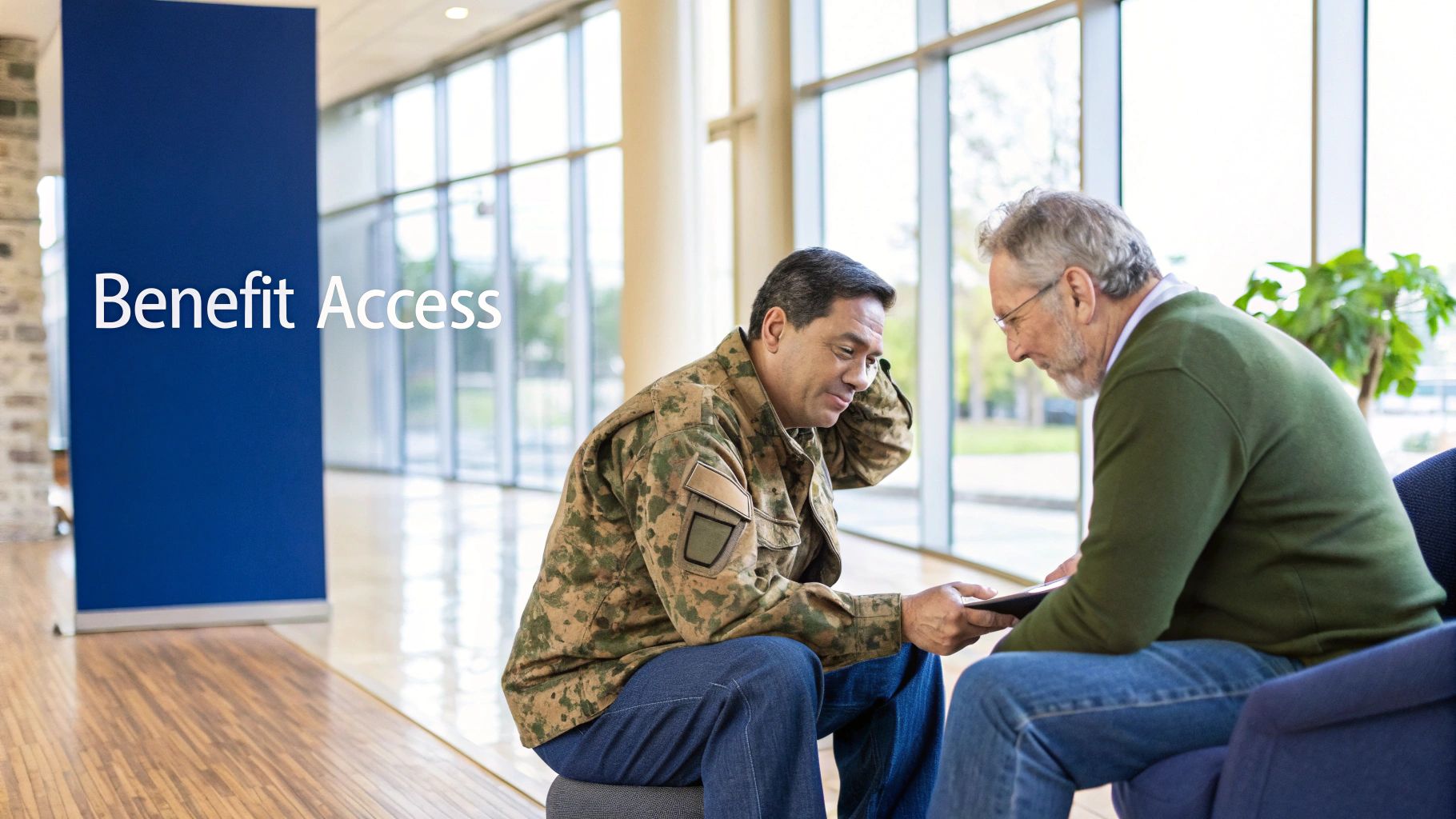
Veterans often face interconnected legal and medical challenges, creating complex situations requiring specialized support. Medical-Legal Partnerships (MLPs) offer a unique, integrated approach to veteran care, embedding legal assistance directly within healthcare settings to address veterans' needs holistically.
How MLPs Bridge the Gap Between Healthcare and Justice
MLPs acknowledge the significant impact legal issues can have on a veteran's health. Unstable housing, for instance, can worsen mental health conditions, while difficulty accessing benefits can delay essential medical treatments. By addressing these underlying legal needs, MLPs strive to improve overall health and well-being.
Lawyers work directly within healthcare teams, fostering collaboration. This allows medical professionals to identify potential legal issues affecting their patients' health and facilitate direct referrals to legal experts on-site. This integrated approach simplifies access to legal assistance for veterans.
Addressing the Root Causes of Health Problems
MLPs handle a broad spectrum of legal issues that can negatively affect a veteran's well-being. Some key areas of focus include:
- Securing Stable Housing: MLPs advocate for veterans facing eviction or homelessness, helping them access housing resources and protect their rights.
- Expediting Benefit Claims: Navigating the complexities of VA benefit applications can be daunting. MLPs assist veterans in this process, ensuring they receive the financial and medical support they are entitled to.
- Resolving Family Law Matters: MLPs offer legal aid for divorce, child custody, and other family law matters that can significantly impact a veteran's emotional and mental well-being.
The Growing Need for MLPs
The increasing number of MLPs dedicated to veterans highlights the growing recognition of this integrated care model. As of March 2019, 31 MLPs operated across the U.S., integrating legal services into healthcare. These partnerships focus on crucial issues like housing, employment, and benefits access, understanding the connection between these factors and a veteran's overall health, particularly the mental health challenges often linked to military service. The VA also operates nearly 140 free legal clinics, further bolstering the legal support available to veterans. Learn more about MLPs and veteran care.
Real-World Impact of Legal Intervention
The positive impact of MLPs can be significant. Consider a veteran struggling with PTSD aggravated by unstable housing. An MLP can intervene to secure stable housing, thus reducing stress and improving mental health. Similarly, expediting access to benefits through an MLP can enable a veteran to afford essential medical treatments.
These interventions not only address immediate needs but also contribute to preventing future health complications. By tackling the social determinants of health, such as access to housing and benefits, MLPs foster a more comprehensive approach to veteran care.
Is an MLP Right for You?
If you are a veteran experiencing legal issues that are impacting your health, an MLP could be a valuable resource. Gathering relevant documents, such as medical records and discharge papers, before your initial consultation can help the legal team understand your specific circumstances. Contact your local VA facility or search online for MLPs in your area to learn about available services. By connecting healthcare with the justice system, MLPs provide a powerful tool for veterans seeking to improve their overall well-being.
Free Legal Aid That Actually Delivers Results
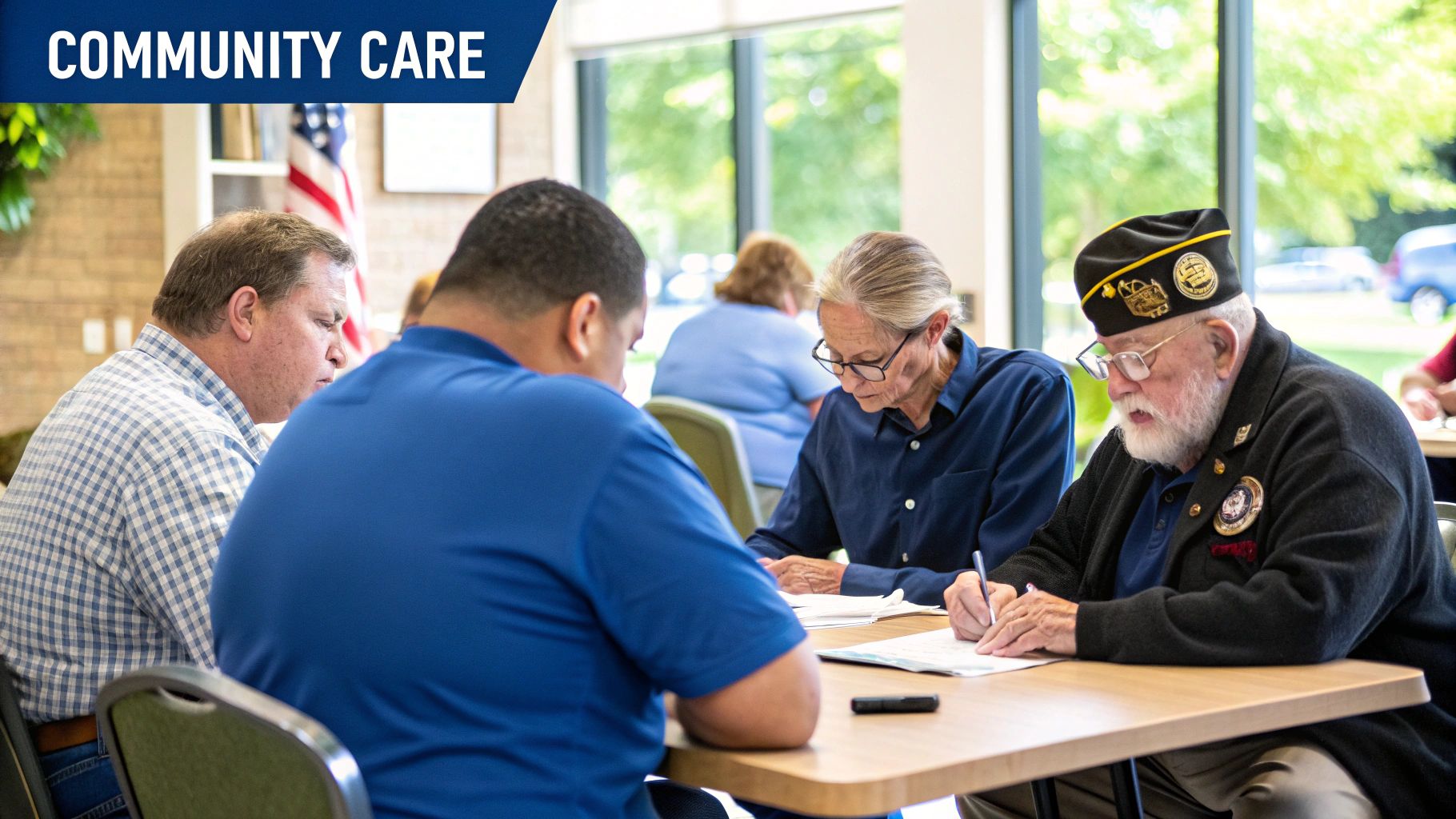
Navigating the legal system can be a daunting experience. Veterans, in particular, often encounter unique legal hurdles related to their service. Fortunately, various pro bono programs are designed specifically to provide veterans with much-needed legal assistance. These programs go beyond simply offering support; they consistently deliver tangible results for veterans across a wide range of legal specialties. This section explores how veterans can find and effectively use these vital resources.
Identifying the Right Pro Bono Organization for Your Needs
It's important to understand that not all pro bono organizations offer the same services. Some specialize in particular areas of law, such as disability claims or discharge upgrades. Others maintain a broader focus. Identifying the organization best suited to your specific legal issue is the critical first step. Organizations like the National Veterans Legal Services Program (NVLSP) concentrate on veteran-specific legal issues, ensuring your case is handled with the understanding it requires.
For instance, if you're navigating a complex disability claim, an organization with a proven track record in this area will be highly beneficial. This focused approach means you’ll receive expert advice from professionals deeply familiar with the complexities of veterans' law.
Maximizing Your Chances of Acceptance
Pro bono programs often have a significant number of applications. Presenting your case clearly and effectively is essential to improve your chances of acceptance. This involves providing comprehensive documentation of your military service, the specific legal issue you're facing, and your financial situation. Building a strong case is like laying a solid foundation; the stronger the base, the more likely it is to succeed.
Understanding the specific waitlist strategies of different organizations is also helpful. Some operate on a first-come, first-served basis, while others prioritize cases based on urgency or specific needs. Knowing how each organization operates allows you to tailor your application strategy accordingly.
The Unwritten Rules of Pro Bono Assistance
Beyond the formal application process, understanding the nuances of pro bono assistance can be extremely advantageous. For example, maintaining open communication with the organization and responding promptly to requests for information can significantly streamline the process.
Furthermore, being proactive in gathering supporting documents, such as medical records, performance evaluations, or character references, strengthens your claim and shows your commitment. This proactive approach can significantly impact the outcome of your case.
Finding the Perfect Match
Choosing the right pro bono organization is similar to selecting the correct tool for a job. Military-specific legal issues demand an organization with specialized expertise in this area. General legal aid providers may not grasp the intricacies of military discharge upgrades or the unique aspects of VA benefit appeals.
By researching the available programs, their areas of specialization, and their specific procedures, veterans can connect with the organization best equipped to handle their individual circumstances. This targeted approach ensures their legal needs are addressed with both specialized knowledge and sensitivity, leading to a more efficient process and increasing the likelihood of a positive outcome. Ultimately, the goal is to connect veterans with the resources they need to achieve the results they deserve.
Veterans Turned Attorneys: Allies Who Understand Your Fight
Transitioning from military service to civilian life presents a unique set of challenges. Veterans often face legal issues specifically related to their time in service, requiring a nuanced understanding that civilian attorneys may not possess. This is where veteran attorneys offer invaluable support.
These legal professionals bring a depth of experience and insight that can make a significant difference in a veteran's legal journey. They provide a critical bridge between the complexities of military law and the needs of veterans navigating the civilian legal system.
The Power of Shared Experience
Veteran attorneys bring more than just legal expertise to the table. They offer a shared experience, fostering a stronger client-attorney relationship built on trust and mutual understanding. They understand the nuances of military culture, the often-complex VA regulations, and the less visible wounds of war.
This shared background allows them to anticipate potential challenges and provide more targeted representation. For instance, a veteran attorney understands the complexities of navigating the VA disability claims process, likely having personal experience with it, or having witnessed fellow service members struggle with the system.
Additionally, veteran lawyers understand the emotional toll legal battles can take on their clients. They approach cases with empathy and sensitivity, creating a supportive environment. This shared military experience often fosters open communication and more effective collaboration, going beyond legal procedures to address the emotional weight these issues carry for veterans.
Finding a Veteran Attorney
Locating a veteran attorney can be challenging, as their numbers are relatively small. As of 2019, approximately 1.75% of lawyers listed in the NALP Directory of Legal Employers were veterans. This percentage was slightly higher, 2.11%, in smaller firms compared to 1.67% in larger firms. These figures, while modest, represent a specialized group within the legal field dedicated to serving the veteran community.
To assist veterans in finding these specialized professionals, several strategies can be employed:
- Veteran Bar Associations: Contacting your state or local bar association can provide referrals.
- Veteran Service Organizations: Organizations like the VFW and American Legion often keep lists of attorneys specializing in veteran issues.
- Online Directories: Several websites are dedicated to connecting veterans with legal resources, and often include searchable databases of veteran attorneys.
Making the Most of Your Consultation
When consulting with a potential veteran attorney, inquiring about their military experience and how it informs their legal practice is essential. Asking about their specific experience with similar cases and their success rate is also beneficial. Don't hesitate to inquire about their approach to legal advocacy and what to expect during the legal process.
Why Certain Legal Specialties Attract Veterans
Certain legal fields, such as disability claims, veterans' benefits appeals, and military discharge upgrades, tend to attract a higher concentration of veteran attorneys. This likely stems from a desire to serve fellow veterans, using their unique experience to offer effective and compassionate counsel.
To better illustrate the connection between military experience and legal practice areas, let's examine the following table:
Veterans in Legal Practice Areas
| Legal Practice Area | Veteran Representation | Value of Military Experience |
|---|---|---|
| Disability Claims | Higher than average | Understanding of VA procedures, medical evaluations, and the impact of disabilities on veterans' lives. |
| Veterans' Benefits Appeals | Higher than average | Knowledge of complex regulations governing benefits and the appeals process. |
| Military Discharge Upgrades | Higher than average | Familiarity with military administrative procedures and the standards for discharge review. |
| Family Law | Average | Experience with deployment-related family issues can be valuable. |
| Criminal Law | Average | Understanding of military justice system can be relevant in some cases. |
This table highlights the areas where veteran attorneys are most likely to practice and how their military background provides specific advantages. It's important to remember that veterans practice in a wide range of legal fields, bringing their unique skills and perspectives to various areas of law.
Military Training and Legal Advocacy
The skills acquired during military service often translate well to effective legal advocacy. Disciplined thinking, attention to detail, and the ability to perform under pressure are crucial assets in a courtroom setting. Veteran attorneys leverage these qualities to advocate for their clients.
The demanding environments experienced in the military equip veterans to handle the complexities of high-stakes legal proceedings. This translates to a composed and confident approach, ultimately benefiting their clients.
Winning Your Benefits Battle: Appeals Strategies That Work
When a veteran's benefits claim is denied, it can feel devastating. But a denial isn't the end. Specific strategies can dramatically improve appeal success rates, offering veterans another chance to secure the benefits they deserve.
Understanding Why Appeals Succeed (And Why They Fail)
Analyzing successful appeals reveals key factors that separate winning from losing strategies. One crucial element is the quality of evidence. Medical records, service records, and buddy statements all contribute, but some evidence is more impactful. For instance, a medical opinion directly linking a disability to military service is generally more persuasive than a general diagnosis.
Another key factor is the narrative structure of the appeal. A clear, concise, and well-organized presentation of the facts, highlighting the service-disability connection, can significantly influence the review board. Imagine it as storytelling – a compelling narrative supported by evidence is much more effective than disorganized facts.
Finally, the language used in the appeal is important. Using precise legal terms and avoiding emotional or anecdotal language strengthens the appeal’s credibility. While personal experiences matter, focusing on the facts and their alignment with legal requirements increases success.
Common Denial Reasons and How to Reverse Them
Many denials are based on reversible errors. A frequent reason is incomplete documentation, easily addressed by providing the missing information in the appeal. Another common issue is misinterpretation of medical evidence. A medical expert specializing in veteran disability can offer clarifying opinions to correct this.
Sometimes, the denial stems from a misapplication of VA regulations. This is where legal assistance is crucial. A lawyer specializing in veteran law can identify these errors and advocate for the correct application of regulations, significantly improving the appeal’s chances.
Timing Considerations and the Importance of Deadlines
Timing is critical in appeals. Missing deadlines can severely hinder a veteran’s chances. Each appeal level has specific filing deadlines. Adhering to these deadlines prevents delays and the potential loss of appeal rights. It’s a strategic process where every step must be timed correctly.
Furthermore, some appeal levels allow for submitting new evidence. Veterans should strategically plan for this, gathering additional evidence to bolster their case at each stage. This might involve new medical opinions, expert witness testimony, or statements from fellow service members.
When Legal Representation Becomes Crucial
While veterans can initially navigate the appeals process independently, legal representation becomes increasingly important as it progresses. Lawyers specializing in veteran benefits appeals can effectively navigate complex legal procedures, interpret VA regulations, and present compelling arguments to review boards. This specialized knowledge can be decisive, especially in complex cases involving multiple disabilities, unique circumstances, or intricate legal matters.
Homefront Group supports veterans in their fight for benefits. Our experienced lawyers and veteran advocates understand the VA appeals process and provide personalized guidance and representation. We're committed to helping veterans secure their earned benefits. Take our free 3-minute quiz to identify potential benefits and learn how we can help you win your benefits battle.