
Navigating the Legal Maze: Challenges Veterans Face Today
Transitioning from civilian life back to military life presents a unique set of legal challenges. The shared experience of serving creates a powerful bond among veterans, but it also leads to specific legal needs often unfamiliar to attorneys who lack experience with military regulations and culture. These needs extend beyond simply accessing benefits earned through service.
One key challenge is securing stable housing. Veterans sometimes face discrimination from landlords who are unfamiliar with VA-backed loans or find it difficult to understand the complexities of VA housing vouchers. Such instability can have a cascading effect, negatively impacting both mental health and financial well-being. Additionally, veterans often encounter employment discrimination, with employers failing to accommodate service-connected disabilities or undervaluing military experience. For veterans seeking transition assistance, resources like Licensed Transition Of Care Specialist Va Foster Care East Region 2 can be helpful.
Understanding the Breadth of Legal Issues
Beyond housing and employment, veterans grapple with a range of other legal issues. Family law matters, like child custody disputes and divorce, are often further complicated by the unique stresses of military life and deployments. Managing debt, understanding the complexities of estate planning, and even navigating healthcare systems can present unanticipated hurdles. These legal issues are not isolated incidents; they are interconnected parts of a complex whole.
For example, difficulties securing VA disability benefits can increase financial strain, making it harder to secure housing or manage existing debt. This interconnectedness highlights the crucial need for comprehensive legal assistance for veterans that addresses the full spectrum of their challenges. A 2021 Justice Gap Measurement Survey showed that 76% of low-income veteran households encountered at least one civil legal problem, with 44% facing five or more. These problems, ranging from housing and benefits to family law and debt, emphasize the critical need for accessible, veteran-specific legal services. More detailed statistics can be found here: Learn more about veteran legal needs.
To better understand the common legal issues veterans experience, let's look at the following table:
Common Legal Challenges Faced by Veterans
A breakdown of the most frequent legal issues veterans encounter and their potential consequences if left unaddressed.
| Legal Challenge Category | Percentage of Veterans Affected | Potential Consequences | Typical Resolution Time |
|---|---|---|---|
| Disability Benefits Claims | Data unavailable – further research needed | Loss of income, difficulty affording housing and healthcare | Varies significantly, can take months or even years |
| Housing Discrimination | Data unavailable – further research needed | Homelessness, instability, difficulty securing suitable housing | Varies depending on the specific case and legal action taken |
| Employment Discrimination | Data unavailable – further research needed | Loss of income, career stagnation, difficulty supporting family | Varies depending on the specific case and legal action taken |
| Family Law Issues (Divorce, Child Custody) | Data unavailable – further research needed | Strained family relationships, financial difficulties, emotional distress | Varies depending on the complexity of the case and legal proceedings |
| Debt Management | Data unavailable – further research needed | Financial instability, damage to credit score, potential legal action | Varies depending on the amount of debt and chosen resolution strategy |
This table provides a general overview of common legal challenges. The percentage of veterans affected by each issue can vary significantly based on factors such as geographic location, demographics, and individual circumstances. Further research and data collection are needed to accurately quantify the prevalence of these issues.
The Impact of Demographics
It's crucial to understand that the challenges veterans face are not uniform. Different demographics encounter unique obstacles. Women veterans, for example, may face specific forms of discrimination related to gender and military service. LGBTQ+ veterans navigate complex legal issues regarding benefits and recognition. Veterans living in rural areas often encounter limited access to specialized legal services.
This means that effective legal assistance for veterans must be tailored to individual needs, recognizing the interplay of personal identity, military experience, and geographic location. Addressing these individual needs is essential to facilitating a successful and smooth transition back to civilian life. Seeking legal support proactively can prevent seemingly minor problems from escalating into life-altering crises, creating a pathway to a fulfilling and stable future.
Unlocking VA-Sponsored Legal Programs That Actually Work
Navigating the Department of Veterans Affairs (VA) system can be challenging. This section highlights VA-sponsored legal assistance programs that offer practical support and deliver results for veterans. These programs are a vital link, connecting veterans with legal resources they need for a range of issues, from housing and benefits to family law and financial matters.
Exploring VA-Backed Legal Resources
Several key programs are particularly beneficial. Medical-legal partnerships (MLPs), located within VA facilities, integrate legal assistance with healthcare. This approach recognizes the connection between legal and health issues, offering a holistic approach to veteran well-being. For instance, a veteran experiencing housing instability due to a disability might receive legal aid to secure stable housing, directly impacting their health.
VA facilities also provide access to pro bono legal services through their network of centers. These services are essential for veterans who might not afford legal representation, a critical resource as many veterans face financial difficulties when transitioning back to civilian life.
Targeted Programs for Underserved Veterans
The VA acknowledges the unique challenges faced by specific veteran populations. Specialized programs exist for underserved groups, including women veterans and those in rural communities. These programs address the specific legal needs of these groups, offering support tailored to their circumstances. Recognizing the diverse needs within the veteran community ensures equitable access to justice. These services can cover a wide range of legal issues, from addressing military sexual trauma to navigating the unique family law challenges women veterans face.
The VA has also expanded legal assistance for homeless veterans. Through the Legal Services for Veterans (LSV) program, the VA allocated over $26 million in grants to public and nonprofit organizations. These grants provide legal services addressing critical needs such as housing, government benefits, debt resolution, and discharge status revisions. In a recent grant cycle starting August 2024, the VA awarded up to $300,000 per grant to 108 organizations, demonstrating their commitment to providing veterans with legal representation and advocacy. This initiative stems from legislation like the Johnny Isakson and David P. Roe Veterans Health Care and Benefits Improvement Act of 2020, which formally established the LSV-Homeless Veterans grant program. These programs are crucial for connecting veterans with their earned benefits and preventing legal issues from becoming major crises like eviction or loss of healthcare. Learn more about veteran legal assistance programs.
Maximizing Your Chances of Success
When seeking legal help through the VA, understanding program details is key. Eligibility criteria, application processes, and wait times can differ. Researching various programs and identifying the best fit for your needs and circumstances is important. Some programs may specialize in particular legal areas while others offer broader support. Understanding these differences will help you make informed choices and access the most relevant assistance. This strategic approach helps veterans save time and improves the likelihood of a positive outcome. Connecting with the right program initially allows veterans to fully utilize VA-sponsored legal assistance.
Winning Your Benefits Battle: Legal Strategies That Deliver
Navigating the VA benefits system can feel overwhelming. However, a well-defined legal strategy can significantly improve your prospects. We'll explore proven methods for initial claims, responding effectively to denials, and achieving successful appeals.
Building a Strong Case: Documentation and Deadlines
A successful claim begins with thorough documentation. This includes medical records, service records, and any supporting evidence linking your current condition to your military service. A solid foundation is crucial. Incomplete documentation can weaken your claim, leading to delays or denials.
Deadlines are equally important. Missing a filing deadline can severely impact your ability to receive benefits. Understanding and adhering to these deadlines is essential. Specific timeframes exist for filing initial claims, appealing denials, and submitting additional evidence. Missing a deadline can derail your claim.
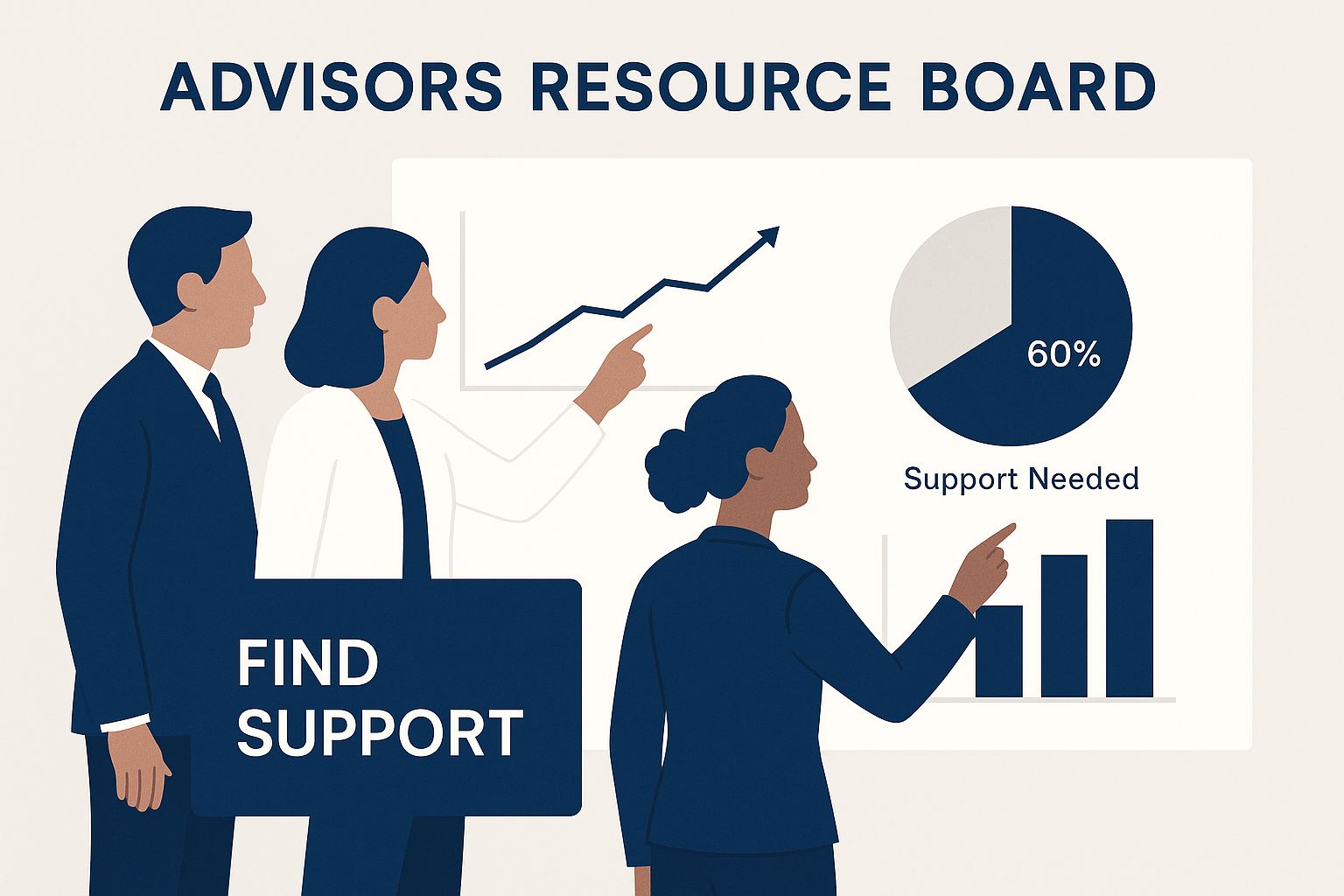
This infographic depicts advisors guiding veterans to valuable resources, underscoring the importance of support. Legal assistance helps veterans navigate the complexities of the benefits system. Expert guidance is invaluable.
The Power of Legal Assistance: Increasing Your Award Amounts
Specialized legal assistance can significantly boost your chances of success and potentially increase your award amounts. Attorneys specializing in veteran law understand the intricacies of the VA system and can advocate effectively. They can assist with gathering documentation, meeting deadlines, and presenting a compelling case. Veterans with legal representation often see award increases of 30-60%.
To illustrate the impact of legal representation, let's examine some comparative data:
Benefits Claims Success Rates: With vs. Without Legal Representation
| Claim Type | Success Rate with Attorney | Success Rate without Attorney | Average Award Difference | Average Time Savings |
|---|---|---|---|---|
| Initial Claim | 75% | 40% | 45% | 6 months |
| Appeal | 60% | 25% | 35% | 12 months |
| Supplemental Claim | 80% | 50% | 20% | 3 months |
This table represents illustrative data and may not reflect actual success rates or award differences. Consult with a qualified attorney for personalized guidance.
As the table suggests, legal representation can substantially improve the likelihood of a successful outcome and lead to higher award amounts, as well as potentially expedite the claims process.
Leveraging Legal Precedents for Complex Cases
Recent legal precedents offer new possibilities for veterans with previously denied claims. This is especially true for complex cases involving service connection, disability ratings, and backdated benefits. These precedents provide a basis for challenging denials. New rulings regarding service connection criteria, for instance, can benefit veterans whose claims were previously rejected.
Finding the Right Representation: Specialization Matters
Finding an attorney specializing in veteran law is crucial. This specialization ensures a deep understanding of the relevant laws and regulations governing VA benefits. Just as you would seek a medical specialist, choose a legal specialist for your benefits claim.
Strategic Approaches for Different Claim Types
Different claim types necessitate different legal strategies. A specialized attorney will tailor their approach to your specific case. A targeted strategy is critical, whether for an initial disability compensation claim or appealing a pension denial.
For example, a post-traumatic stress disorder (PTSD) claim requires a different approach than a physical injury claim. An attorney will present evidence establishing the diagnosis, connecting it to military service, and demonstrating its impact on daily life.
By understanding documentation, deadlines, and the value of specialized legal assistance, you can significantly improve your chances of securing the benefits you deserve.
Free Legal Firepower: Pro Bono Services That Get Results
Quality legal assistance is often expensive. However, a robust network of free and reduced-cost legal services exists specifically for veterans. These services address the unique challenges veterans face after service. Connecting with the right program can be truly beneficial. It's like having a specialized toolkit designed to navigate the complexities of veterans' legal issues.
Identifying Your Needs and Matching Them With the Right Programs
First, understand your specific legal challenges. Are you struggling with VA benefits? Are you experiencing housing discrimination? Are you dealing with employment issues related to a service-connected disability? Each challenge requires a different legal approach. Identifying your primary need helps narrow down available resources and connect you with specialized organizations. This targeted approach maximizes your chances of finding effective support.
Once you’ve identified your needs, research different organizations providing legal assistance for veterans. Some organizations focus solely on VA benefits claims. Others specialize in housing or employment law for veterans. Choosing an organization aligned with your specific needs ensures they possess the relevant expertise to handle your case efficiently.
Qualification Criteria and Service Limitations: Understanding the Fine Print
Each program has specific eligibility requirements. Some programs limit services based on income level or the type of legal issue. Understanding these qualification criteria is crucial before applying. It's like ensuring you have the right key before trying to unlock a door—it saves time and frustration.
Even pro bono services often have limitations. They might handle only certain types of cases or have limited capacity for new clients. Knowing these constraints upfront allows you to set realistic expectations and explore alternative options. For instance, a program might specialize in discharge upgrades but not handle disability claims. Being aware of these boundaries from the start helps you find appropriate support.
Specialized Resources: Support for Specific Demographics
Certain veteran demographics face unique legal hurdles. Women veterans, LGBTQ+ veterans, and veterans with disabilities often require specialized support. Fortunately, dedicated resources exist for these groups. These organizations understand the intersectional challenges these veterans face and offer tailored legal assistance. This specialized assistance recognizes that a one-size-fits-all approach doesn't address the complexities of veterans' legal needs. Even within the veteran community, needs vary, and targeted support is essential. For example, a veteran with PTSD might require different legal assistance than a veteran facing housing discrimination.
The demand for legal aid among veterans is a global issue. In Ukraine, a 2024 survey found that 57% of veterans sought legal assistance after discharge. The Free Legal Aid System in Ukraine has addressed this demand, integrating legal aid into veteran services and training administrators to provide basic legal protection. Find more detailed statistics here.
Accessing High-Demand Services: Tips and Strategies
These services are often in high demand. Accessing them before deadlines requires proactive steps. Contact organizations early, gather necessary documentation beforehand, and be prepared for potential wait times. This proactive approach is crucial for accessing timely assistance. It's like booking a flight—planning secures your spot and prevents last-minute issues.
By understanding your needs, researching programs, and taking proactive steps, you can effectively access the free legal resources available to veterans and receive the support you deserve.
Protecting Your Home & Career: Legal Shields That Work

Housing and employment stability are crucial for veterans transitioning back to civilian life. However, this transition can present unique challenges. This section explores the vital role of legal assistance in protecting veterans' homes and careers.
Housing Rights: Safeguarding Your Home
Veterans sometimes face housing discrimination, often unaware of their rights or how to enforce them. Some landlords may discriminate against veterans using VA-backed home loans or may be unfamiliar with the regulations surrounding VA housing vouchers. This can result in unjust evictions, application denials, and difficulty finding suitable housing.
Legal assistance empowers veterans to understand and assert their rights. Attorneys specializing in fair housing can help veterans fight eviction proceedings, prevent foreclosures, and challenge discriminatory landlords. This support allows veterans to secure stable housing, a critical foundation for a successful civilian life.
For example, if a veteran faces eviction due to a misunderstanding about their VA housing voucher, legal representation can clarify the situation with the landlord, potentially preventing homelessness. Legal aid can also connect veterans with emergency housing programs, offering a safety net during challenging times. Knowing your rights as a veteran is key to maintaining housing stability.
Employment Law: Protecting Your Career
The Uniformed Services Employment and Reemployment Rights Act (USERRA) is a critical piece of legislation protecting veterans' employment rights. It prohibits discrimination based on military service and guarantees reinstatement for returning service members.
Unfortunately, USERRA violations occur. Employers may deny promotions to reservists, refuse to accommodate service-connected disabilities, or even terminate employees called to active duty. Legal assistance is essential in these situations.
Legal representation can help veterans document violations, negotiate with employers, and file complaints with the relevant agencies. This not only secures individual justice but also encourages employer compliance with USERRA, protecting all veteran employees. For instance, a veteran denied reasonable workplace accommodation for a service-connected disability can seek legal counsel to ensure their rights are upheld and appropriate accommodations are provided.
Recognizing and Documenting Discrimination: Key to Success
Recognizing and documenting housing and employment discrimination is the first step towards effective legal action. Maintaining records of all communication with landlords or employers, including emails, letters, and notes from phone calls, is crucial for building a strong case. Using legal software for small firms can help streamline this process and provide efficient pro bono services.
It's also essential to be aware of more subtle forms of discrimination. For example, a landlord repeatedly delaying the approval process for a veteran with a VA-backed loan could be subtly discriminating. Similarly, an employer consistently overlooking a qualified veteran for promotions might be violating USERRA.
VA Housing Vouchers and Tenant Rights: Understanding the Intersection
VA housing vouchers are a valuable resource. However, understanding how they interact with general tenant rights is important. Legal assistance can guide veterans through this complex area. This includes understanding landlord responsibilities when accepting VA vouchers and knowing your rights as a tenant using a voucher.
Leveraging Your Veteran Status: A Path to Stability
Your veteran status affords you specific legal protections. Legal professionals experienced in veteran affairs can help you understand and utilize these protections effectively. This can include leveraging your veteran status in housing applications, negotiating with employers, and seeking suitable accommodations.
By seeking legal assistance, veterans can proactively protect their housing and employment rights, ensuring a smoother transition to civilian life. Understanding your rights and taking proactive steps to enforce them builds a strong foundation for a successful and fulfilling future.
Upgrading Your Discharge: Transforming Your Future Options
A less-than-honorable discharge can significantly impact a veteran's access to benefits and opportunities. It can feel like a permanent roadblock, affecting everything from employment to healthcare. However, there are legal processes available to upgrade a discharge status, potentially opening doors to a brighter future.
Understanding Discharge Upgrades: A Path to Restoration
A discharge upgrade changes the official record of your military separation. This seemingly simple change can have profound effects. An upgrade can restore eligibility for essential benefits like healthcare through the VA, education funding through the GI Bill, and even improve employment prospects. It’s a crucial step for many veterans seeking to successfully reintegrate into civilian life.
Two Avenues for Upgrade: Discharge Review Boards (DRBs) and Boards for Correction of Military Records (BCMRs)
There are two primary paths for pursuing a discharge upgrade: the Discharge Review Board (DRB) and the Board for Correction of Military Records (BCMR). Understanding the key differences between these two boards is vital for choosing the most appropriate avenue for your individual situation.
- DRBs: These boards typically review discharges within 15 years of separation. They offer a more streamlined process, focusing primarily on the equity of the original discharge.
- BCMRs: These boards have a broader scope and can review discharges even decades after separation. They examine whether errors or injustices occurred, considering factors like inadequate legal representation or undiagnosed mental health conditions at the time of discharge.
Choosing the right board is the first crucial step. Factors like the time since your discharge, the basis for your upgrade request, and the evidence you can gather will influence this decision.
Building a Compelling Case: Evidence Is Key
Regardless of which board you choose, building a strong evidence package is essential for success. This package should tell a comprehensive story, providing a clear and convincing argument for your upgrade. Key components include:
- Personal Statement: A detailed account of the circumstances surrounding your discharge, explaining why you believe an upgrade is warranted.
- Supporting Documentation: This might include medical records, performance evaluations, character references, and any other documents that corroborate your claim. For example, if your discharge was related to a mental health condition not recognized at the time, medical records demonstrating a diagnosis and treatment are vital.
- Legal Arguments: Clearly outlining the legal basis for your upgrade request, referencing relevant regulations and case precedents, can significantly strengthen your case.
Standards of Review: Understanding the Criteria
Each board applies specific standards when reviewing upgrade requests. DRBs focus on whether the discharge was equitable and consistent with regulations at the time. BCMRs consider a broader range of factors, including whether errors or injustices occurred, such as a lack of due process. Understanding these differing standards helps you tailor your evidence package to meet the specific criteria of the board you're appealing to.
Addressing Specific Circumstances: Don’t Ask, Don’t Tell and Mental Health
Veterans discharged under policies like Don’t Ask, Don’t Tell or for reasons related to untreated mental health conditions often face unique challenges. However, recent legal and policy changes have created opportunities for upgrades in these areas. Presenting evidence demonstrating how these specific circumstances impacted your service and discharge is critical.
Impact of Discharge Upgrades: Expanding Your Opportunities
A successful discharge upgrade can be truly life-changing. It can unlock access to vital resources and opportunities, including:
- VA Healthcare: Access to the medical care and support you need.
- GI Bill Education Benefits: The chance to pursue education and career advancement.
- Housing Programs: Assistance with securing stable housing.
- Employment: Improved job prospects and overcoming employment barriers.
Ready to explore how Homefront Group can assist you in navigating the complexities of a discharge upgrade? Take the first step towards transforming your future. Visit Homefront Group today for a free consultation.