

Understanding VA Disability Claims: Beyond the Basics
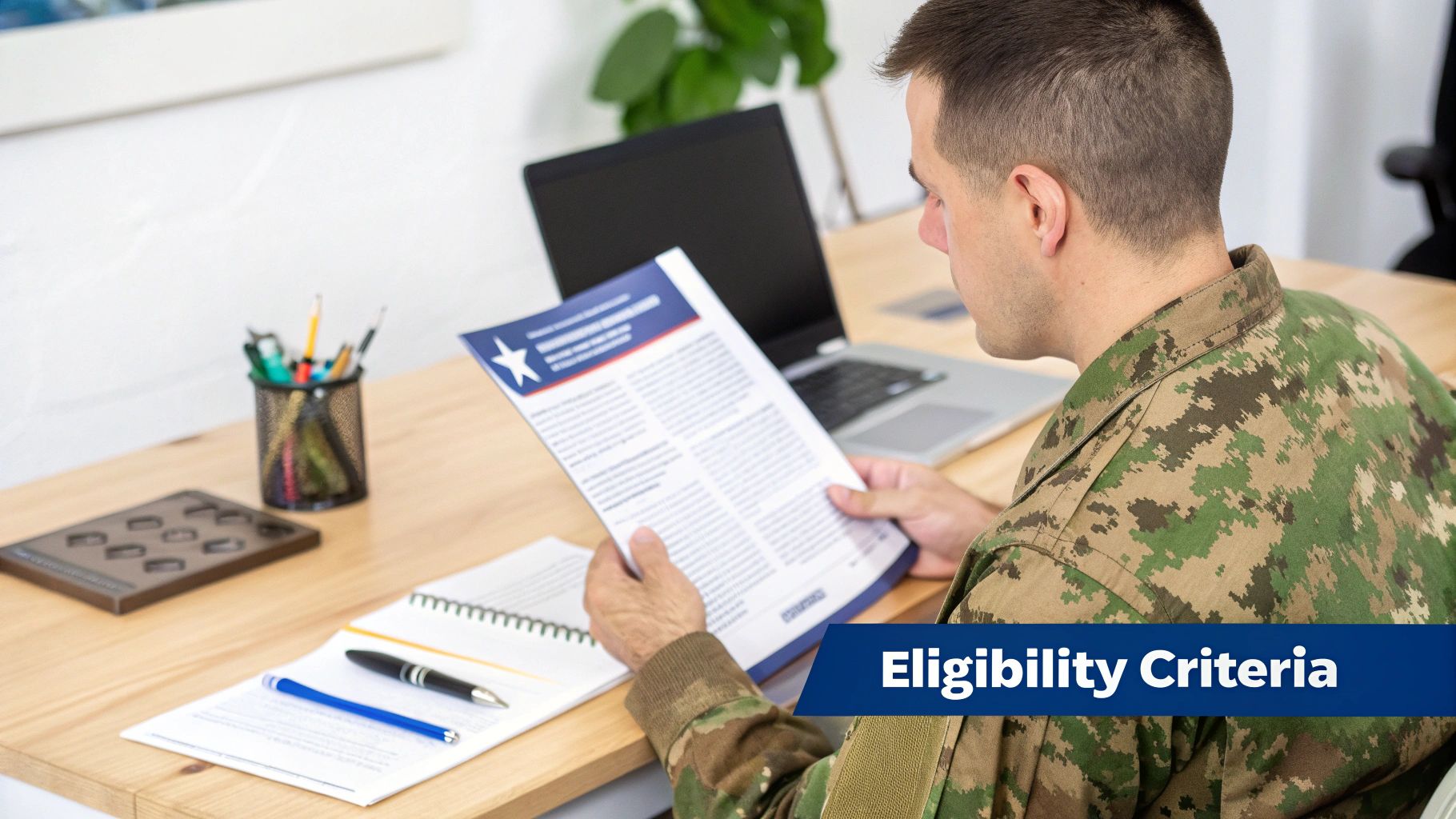
Navigating the VA system can feel daunting. Understanding the basics of disability claims, however, is the first step to a less stressful process. This section clarifies what makes a disability eligible for a claim and explains the advantages of working with experts on veterans disability claims. We'll cover key eligibility criteria, explore how the VA rating system works, and examine which service-connected conditions are often viewed favorably. This information will help you understand your potential eligibility and the benefits you might be entitled to.
Eligibility: Connecting Your Condition to Your Service
A qualifying disability claim must show a clear link between your current condition and your military service. This connection, known as the nexus, requires medical evidence that ties your disability to a specific event, injury, or exposure that occurred during your service. For example, a back injury you suffered in basic training could support a future claim for chronic back pain.
Simply having a condition isn't sufficient. You must demonstrate that it's service-related. This is where thorough medical documentation becomes essential. Establishing this nexus is often the biggest hurdle in the claims process.
The VA Rating System: Decoding the Percentages
The VA uses a percentage-based rating system to evaluate the severity of your disability. This rating determines the amount of your benefit. Ratings are given in 10% increments, from 0% to 100%. It's important to understand that this system isn't always straightforward. A 100% rating doesn't mean you're totally disabled. Rather, it indicates that your disability significantly impacts your ability to maintain employment and manage daily life.
The number of veterans with service-connected disabilities is considerable. 31% of all veterans have service-related disabilities, and 20% of those with disabilities have a 100% disability rating from the VA. This highlights the importance of grasping how this system functions. Find more detailed statistics here. Understanding these ratings helps establish realistic expectations.
Favorable Considerations: Navigating Specific Conditions
Some conditions tend to receive more favorable consideration because of their known association with military service. These might include PTSD, hearing loss, and certain cancers stemming from toxic exposure. For example, veterans exposed to Agent Orange during the Vietnam War may benefit from a presumption of service connection for particular illnesses.
Furthermore, certain conditions are “presumptive.” This designation means the VA assumes they are service-connected if diagnosed within a certain period after your service. This streamlined process simplifies claims for those specific conditions. Knowing which conditions fall under these categories can substantially influence your claim strategy. Successfully navigating the complexities of the VA system requires a comprehensive understanding of their criteria and the specific evidence needed for your unique situation. Getting guidance from experienced professionals can help ensure your claim accurately reflects how your service-connected condition has affected your life.
Mastering the VA Claims Process: Your Strategic Roadmap
The VA claims process can be daunting. However, understanding the key stages can significantly improve your chances of success. This section breaks down the entire process, from the often-overlooked Intent to File to the final decision. We'll offer practical strategies and valuable insights from veterans and claims specialists.
The Power of the Intent to File
Filing an Intent to File is a critical first step. This simple document establishes the effective date for your benefits, potentially securing retroactive payments. It's like reserving your spot in line, protecting your financial interests while you gather the necessary documentation. Taking this initial step sets the stage for a more organized and ultimately more successful claims process.
Gathering Your Evidence: Building a Strong Case
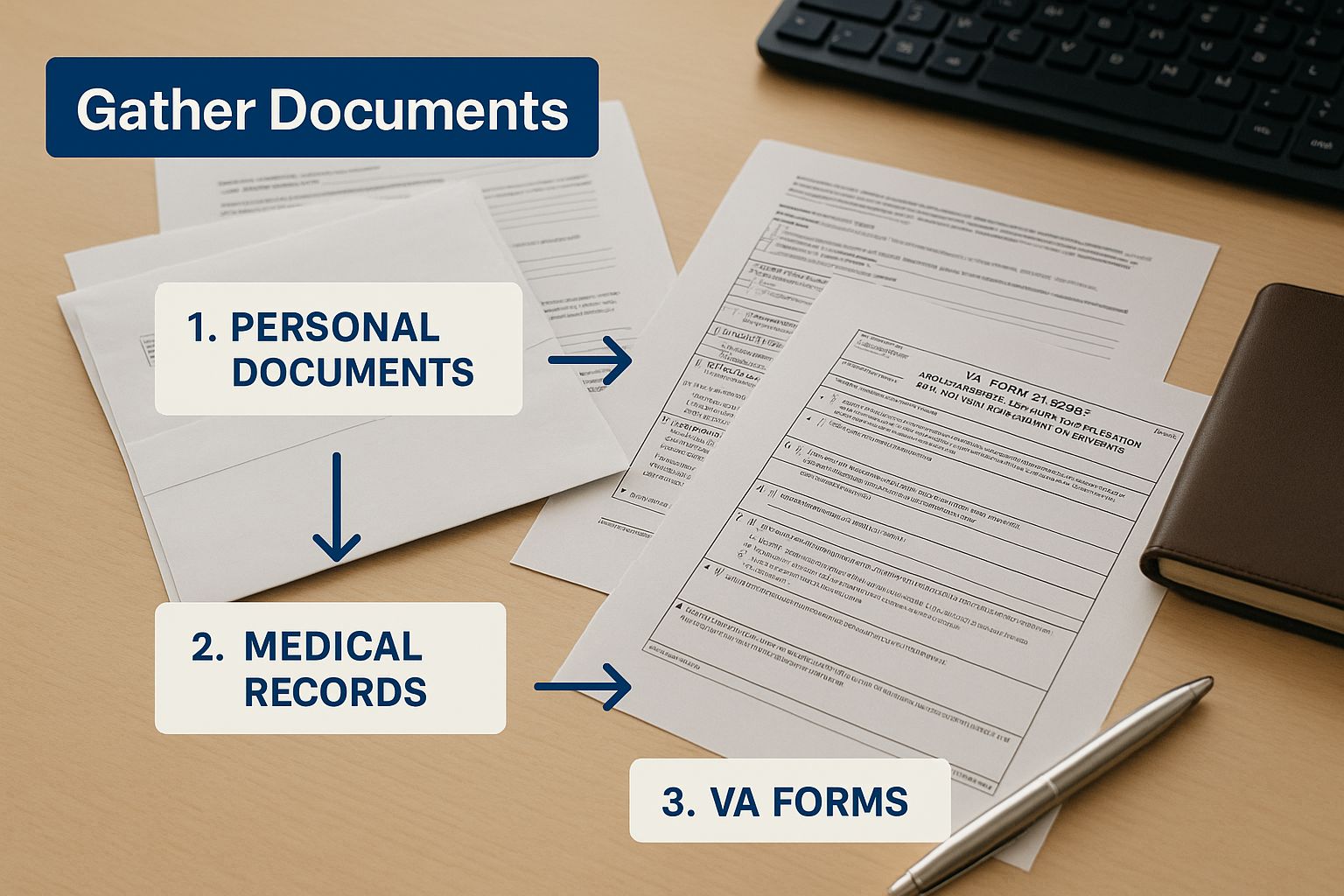
The image above highlights the essential step of gathering all necessary documents, which is foundational to your claim. Organizing your medical records, service records, and any supporting documentation is crucial. Think of it as building a solid foundation for a house; it provides the necessary support for everything that follows. This organized approach minimizes potential delays and ensures a comprehensive overview of your situation.
Completing VA Forms: Avoiding Common Pitfalls
Accurate and thorough completion of VA forms is paramount. These forms serve as the official record of your claim. Avoid vague language. Be specific when describing your symptoms, how they impact your daily life, and how they relate to your military service. For example, instead of simply stating "back pain," describe the specific type of pain, its frequency, and how it limits your activities. This detailed approach provides the VA with a clearer picture, strengthening your claim.
Realistic Timelines and Managing Expectations
The VA claims process requires patience. Although improvements have been made, realistic expectations are essential. The Department of Veterans Affairs (VA) has made significant strides in processing disability claims. In Fiscal Year 2025, the VA processed over one million disability claims, achieving this milestone nearly two weeks faster than in FY24, despite a 15.6% increase in claims received. Over 60% of these claims were granted, and the VA’s claims accuracy rate has risen to over 92%. Learn more about VA claim statistics. Understanding these statistics emphasizes the importance of patience and proactive follow-up on your claim's progress.
The following table provides a general overview of the VA claims process timeline. It is important to note that individual timelines may vary.
VA Claims Process Timeline
| Process Stage | Typical Timeframe | Key Actions Required | Common Delays |
|---|---|---|---|
| Intent to File | Submission date starts the clock for retroactive benefits | Submit the Intent to File form | N/A |
| Gathering Evidence | Varies depending on individual circumstances | Collect medical records, service records, and supporting documentation | Difficulty obtaining records |
| Completing VA Forms | Several hours | Fill out all required forms accurately and completely | Incomplete or inaccurate forms |
| VA Review and Decision | Several months or longer | VA reviews the claim and makes a decision | Backlogged claims, requests for additional information |
| Appeal (if necessary) | Varies | Submit an appeal with supporting evidence | Complex cases, legal representation needed |
This table offers a helpful framework for understanding the various stages and potential challenges in the VA claims process. Remember that staying organized and proactive can significantly contribute to a smoother and more successful experience.
Navigating the Decision and Potential Appeals
Once you receive a decision, understanding your options is crucial. If your claim is approved, congratulations! If denied, don't lose hope. Many veterans successfully appeal denied claims. Understanding the specific reasons for the denial is key to building a stronger appeal. This may involve gathering additional evidence or seeking assistance from a veterans service organization or an accredited attorney. Persistence and a strategic approach are often essential for success. Learning from the experiences of others and having a clear roadmap of the process empowers you to take control of your claim and maximize your chances of receiving the benefits you deserve.
Building Your Evidence Arsenal: What Actually Works

Evidence is the cornerstone of every successful veterans disability claim. However, not all evidence is created equal. This section explores the types of documentation that can significantly improve your chances of approval. We'll also look at strategies for gathering compelling evidence and addressing common pitfalls, empowering you to build a robust case.
Medical Records: The Foundation of Your Claim
Comprehensive medical records are paramount. These records should clearly document your diagnosis, treatment, and the progression of your condition. Critically, they should link your condition to your military service. This connection is the nexus the VA requires.
For example, if you’re claiming hearing loss, your records should detail your exposure to loud noises during service and the subsequent decline in your hearing. This demonstrates the required link between your service and your current condition.
Physician Statements: Adding Expert Weight
Medical records provide the raw data, but physician statements offer expert interpretation. A strong statement from your doctor can confirm the diagnosis, explain its severity, and explicitly connect it to your military service.
These statements add considerable weight to your claim. They provide important context and professional validation that raw medical data often lacks. Ensure your physician uses clear, concise language and avoids any ambiguity.
Personal Statements: Telling Your Story
Your personal statement adds a vital human element to your claim. This is your chance to describe how your condition impacts your daily life, your ability to work, and your overall well-being.
Be detailed and specific. Instead of saying “I have trouble sleeping,” describe the type of sleep disturbances, their frequency, and how they affect your daily function. A compelling narrative helps the VA understand the true impact of your disability.
Buddy Statements: Providing Corroborating Evidence
Buddy statements from fellow service members can corroborate your account of events or exposures during your service. These are particularly valuable for conditions that may not have readily apparent physical manifestations, such as PTSD or certain toxic exposures.
However, a simple statement like “I served with John” isn't enough. Effective buddy statements detail specific incidents, shared experiences, and observed symptoms. Guide your buddies to provide concrete details, focusing on observable behaviors and events.
Addressing Difficult-To-Prove Conditions
Some conditions, like mental health issues or those with delayed onset, can be harder to prove. For mental health claims, consistent therapy records, diagnoses from mental health professionals, and detailed personal statements about the daily impact are essential.
For conditions with a delayed onset, establishing a clear timeline of your symptoms and seeking medical opinions linking them to your service, even years later, is key. A denial isn’t the end. Many veterans find success by strengthening their evidence and appealing the decision. Securing help with veterans disability claims requires a strategic approach to gathering and presenting the most effective evidence.
Choosing Your Advocate: When and Who to Trust
The right advocate can significantly impact your veterans disability claim. Choosing poorly, however, can lead to wasted time and money, and potentially a lower benefit amount. This section clarifies the differences between Veterans Service Organizations (VSOs), accredited attorneys, and claims agents, going beyond marketing hype to examine their strengths and weaknesses. We’ll also discuss when professional help adds the most value and how to spot an underperforming representative.
Understanding Your Options: VSOs, Attorneys, and Claims Agents
Each type of advocate offers a unique set of services and expertise. VSOs often provide free assistance, typically focusing on initial claims and offering general guidance. Attorneys, on the other hand, specialize in legal representation, particularly for complex claims or appeals. Claims agents assist with gathering evidence and navigating the often-complicated claims process. Choosing the right advocate depends on your claim’s specific needs.
To help clarify the key differences between these advocate types, consult the following table:
To assist veterans in selecting the right support, we've compiled the following comparison:
Veterans Advocacy Options Comparison
| Type of Advocate | Services Provided | Cost Structure | Best For | Limitations |
|---|---|---|---|---|
| VSO | Claims preparation, general guidance, some appeals assistance | Free | Initial claims, straightforward cases | Limited legal expertise, potential delays due to high caseloads |
| Accredited Attorney | Legal representation, appeals, complex cases | Contingency fees (typically a percentage of back pay), some offer free consultations | Appeals, complex cases, legal disputes | Cost can be a factor if the claim is denied |
| Claims Agent | Evidence gathering, claims filing, administrative support | Varies, may charge hourly or flat fees | Veterans needing help with paperwork and organization, supplementing legal representation | Limited legal expertise, cost varies widely |
This table highlights the strengths and weaknesses of each option, allowing veterans to evaluate which type of advocacy best aligns with their individual circumstances and the complexity of their claim. Understanding these nuances is crucial for informed decision-making.
Timing Is Everything: When to Seek Professional Help
While filing a claim independently is possible, certain situations significantly benefit from professional assistance. Complex medical conditions, previously denied claims, or appeals processes often require specialized expertise. A skilled advocate can help gather compelling evidence, navigate complex VA regulations, and present a stronger case, increasing your chances of a favorable outcome. Choosing the right time to engage an advocate can be pivotal in securing the benefits you deserve.
Evaluating Advocate Performance: Key Questions and Warning Signs
Even with the best intentions, not all advocates perform equally. Active evaluation of your representative's performance is essential. When choosing an advocate, understanding the psychology behind scams and manipulations is important, so consider researching effective social engineering training. Ask specific questions about their experience with similar claims, their communication style, and their planned strategy.
Here are some warning signs of potential underperformance:
- Lack of communication: Infrequent updates or difficulty contacting your representative.
- Missed deadlines: Failure to file paperwork on time.
- Generic advice: Receiving impersonal, cookie-cutter advice.
- Lack of progress: A stalled claim without clear explanation.
Real-World Impact: Case Studies of Successful Advocacy
Effective advocacy can make a substantial difference. For instance, one veteran initially received a low rating for a back injury. However, with the support of an experienced attorney, they uncovered additional evidence of nerve damage and successfully appealed for a higher rating. In another case, a VSO helped a veteran with PTSD gather compelling buddy statements, which were instrumental in securing service connection for their mental health condition. These examples demonstrate how professional guidance can lead to significantly better outcomes for veterans. By understanding your options, asking insightful questions, and recognizing potential red flags, you can make informed decisions about your representation and maximize your chances of receiving the benefits you have earned. The resources and support offered by organizations like the Homefront Group can be invaluable in navigating this complex process.
Turning Denials Into Approvals: Strategic Response Tactics
A denial of veterans disability benefits isn't the final decision; it's often just the beginning. This section helps you understand VA denial letters, turning obstacles into a clear path toward approval. We'll explore Higher-Level Reviews, Supplemental Claims, and Board Appeals, outlining when each approach is most effective. You'll also learn practical strategies from veterans who successfully reversed their denials.
Deciphering Denial Letters: Understanding the VA's Reasoning
The first step after receiving a denial is to understand the VA's reasoning. The denial letter outlines the specific reasons for the rejection. Pay close attention to these reasons, as they are the key to building a stronger case. For example, a denial might cite insufficient medical evidence linking your condition to your service. This tells you exactly where you need to focus your efforts.
Understanding compliance can be helpful in navigating these processes. If you’re considering professional guidance, learning about the role of a compliance officer can be a valuable step.
Choosing Your Appeal Path: Three Distinct Options
You have three main options for appealing a VA claim denial:
- Higher-Level Review: A re-evaluation of your claim by a more senior VA employee. This option is best for straightforward cases where a simple review of the existing evidence might be enough.
- Supplemental Claim: This involves submitting new and relevant evidence to support your claim. This is a strong strategy if the initial denial cited insufficient evidence.
- Board Appeal: This takes your appeal to the Board of Veterans’ Appeals. It's a more formal process, often involving legal representation, and it’s best suited for complex cases or disagreements about legal interpretations.
Each option has specific advantages and disadvantages. Carefully consider your situation and the reasons for your denial before choosing a path.
Strengthening Your Claim: Targeted Strategies for Success
Several strategies can significantly improve your appeal:
- Targeted Medical Opinions: Obtain a medical opinion from a specialist that directly addresses the VA’s stated concerns. This expert validation clarifies the connection between your condition and your service.
- Addressing Credibility Concerns: If the VA questions the credibility of your statements, provide supporting evidence such as buddy statements or personal journals. This helps build a stronger, more believable narrative.
- Recrafting Evidence Presentation: Reorganize and present your evidence clearly and concisely, directly addressing each of the VA's objections. A well-structured presentation can make your case much more compelling.
Maintaining Momentum and Protecting Your Well-being
The appeals process can be lengthy and challenging. Maintain momentum by setting realistic goals and acknowledging small victories. Take care of your mental health by connecting with support networks and practicing self-care. This process can be emotionally difficult, but by staying organized, seeking support, and implementing targeted strategies, you can increase your chances of a successful appeal and receive the benefits you deserve. A denial is not the end of the road.
Winning Strategies for Complex Disability Claims
Different disabilities require different approaches to maximize VA disability claim benefits. This section examines the unique challenges and proven strategies for major categories of service-connected conditions. We'll explore how to effectively link post-service diagnoses to your military experience, and when to pursue separate ratings versus combined conditions. Successfully navigating these complexities often requires a deep understanding of VA procedures and effective communication strategies.
Presumptive Conditions: Streamlining the Path to Approval
Certain conditions are considered "presumptive," meaning the VA assumes they are service-connected if diagnosed within a specific timeframe after your service. This simplifies the claims process significantly. For example, certain cancers are presumptive for veterans exposed to Agent Orange during the Vietnam War. Understanding which conditions qualify as presumptive can greatly influence your initial claim strategy.
Mental Health Conditions: Overcoming VA Objections
Mental health claims often present unique challenges. The VA may require extensive documentation to establish a clear connection between your current condition and your service. Effective documentation techniques, such as detailed personal statements and strong supporting evidence from mental health professionals, are crucial for overcoming typical VA objections.
For instance, a well-crafted personal statement should describe the specific symptoms, their frequency, their impact on daily life, and how they relate to your time in service. This provides the VA with a comprehensive picture of your condition’s impact.
Connecting Post-Service Diagnoses to Your Military Experience
Many veterans receive diagnoses years after leaving the service. Effectively connecting these post-service diagnoses to your military experience is critical. This requires detailed medical evidence, potentially including medical opinions explicitly linking your condition to events, injuries, or exposures during your service.
Think of it like building a bridge; you need strong supports on both sides—your service and your current condition—to create a solid connection. For instance, a veteran diagnosed with a respiratory condition years after serving in a location with known environmental hazards would need medical documentation linking their condition to those exposures.
Separate Ratings vs. Combined Conditions: Maximizing Your Benefits
Sometimes, pursuing separate ratings for multiple disabilities can result in a higher overall benefit than claiming them as combined conditions. This depends on the specific disabilities and their individual impact on your functional abilities. Consulting with an expert, like those at Homefront Group, can help you determine the most advantageous approach for your situation.
Documenting Functional Impacts: The Key to Higher Ratings
Effectively documenting the daily impact of your disability is crucial for securing a higher rating. This involves clearly describing how your condition affects your ability to work, perform daily tasks, and engage in social activities. Provide specific examples rather than general statements.
Instead of saying "I have difficulty walking," explain how far you can walk before experiencing pain, what assistive devices you use, and how your mobility limitations affect your daily routine. This level of detail provides the VA with a clearer understanding of your functional limitations and how they relate to your disability rating.
Furthermore, consider how factors like employment play into the larger picture. Employment patterns among veterans with service-connected disabilities offer valuable insights. As of August 2024, roughly 5.5 million veterans had service-connected disabilities. Significantly, one-third of employed veterans with such disabilities worked in government jobs. Find more detailed statistics here. This underscores the importance of considering both your disability and employment status when pursuing your claim.
Effective Language: Communicating With VA Evaluators
Using precise and impactful language when communicating with VA evaluators is essential. Avoid jargon and overly technical terms. Instead, focus on clear, concise descriptions of your symptoms and their impact. This allows evaluators to easily grasp the severity of your condition and its effect on your daily life. By focusing on the functional limitations of your condition, using clear and descriptive language, and pursuing the most strategic approach for your specific situation, you can increase your chances of securing the full benefits you deserve.
Maximizing Your Benefits: Beyond the Initial Approval
Receiving approval for your veterans disability claim is a significant milestone. However, the journey doesn't end there. This section explores crucial steps successful veterans take after approval to ensure they receive all entitled benefits. We'll examine navigating reexaminations, documenting worsening conditions, and identifying often-overlooked benefits like Special Monthly Compensation. We’ll also discuss how VA benefits interact with Social Security, Medicare, and employment, offering advice to protect your benefits.
Navigating VA Reexaminations: What to Expect
The VA periodically reexamines disability ratings to ensure they accurately reflect your condition's severity. These reexaminations can be a source of anxiety. However, understanding the process and preparing can ease concerns. The frequency of reviews depends on the nature and stability of your disability. Some conditions are considered static, meaning they are unlikely to improve, while others may change over time.
For instance, a spinal cord injury might be deemed static, whereas a mental health condition could require more frequent reexaminations. Knowing your disability type helps anticipate when a reexamination might occur.
Documenting Worsening Conditions: Securing Increased Benefits
If your condition worsens after the initial rating, you can submit a claim for an increased rating. This requires updated medical documentation clearly demonstrating the decline and its increased impact on your daily life. Consider it an update to your story. The VA needs to understand how your condition's progression further limits your activities.
Provide specific examples of new symptoms, increased pain, or reduced ability to perform daily tasks. This updated information is crucial for the VA to reassess your disability rating accurately.
Special Monthly Compensation: Unlocking Additional Support
Many veterans are unaware of Special Monthly Compensation (SMC), a benefit providing additional financial support for those with exceptionally severe disabilities. SMC is available for various situations, such as limb loss or loss of use, blindness, or requiring regular aid and attendance.
This additional compensation can significantly improve the quality of life. Understanding SMC eligibility criteria and pursuing this benefit when appropriate is vital for receiving full support.
Integrating VA Benefits: Social Security, Medicare, and Employment
Successfully managing VA benefits also involves understanding their interaction with other programs like Social Security and Medicare. For example, VA disability benefits are generally tax-free, while Social Security Disability Insurance (SSDI) benefits may be taxable depending on your total income.
Coordinating VA healthcare with Medicare requires careful planning to maximize coverage and minimize expenses. Veterans should also be aware of how working could affect VA benefits. Understanding these interactions is key to a successful financial and healthcare strategy.
Life After Approval: Emotional and Financial Considerations
Adapting to life with a disability rating involves more than financial adjustments. Veterans often experience emotional challenges, such as adjusting to new physical limitations or coping with the psychological impact.
This process is unique to each individual. Seeking support from fellow veterans, family, or mental health professionals can be invaluable. Sound financial planning is also essential for maximizing the long-term benefits of your compensation. Creating a budget, exploring investments, and seeking financial advice are recommended steps.
Protecting Your Benefits: Long-Term Record Keeping
Maintaining organized records of medical treatments, VA correspondence, and financial documents is essential. This simplifies filing for benefit increases, appealing denials, or responding to reexaminations.
Consider it like protecting a valuable asset. Proper documentation ensures your benefits remain secure and accessible, providing peace of mind. The journey to maximizing your veterans disability benefits is ongoing. By staying informed, prepared, and proactive, you can ensure you receive the support you deserve. The team at Homefront Group is dedicated to assisting veterans through every step. Learn more about how Homefront Group can help you maximize your VA benefits: https://homefrontgroup.com/.