
The Battle Beyond War: Understanding Gulf War Syndrome
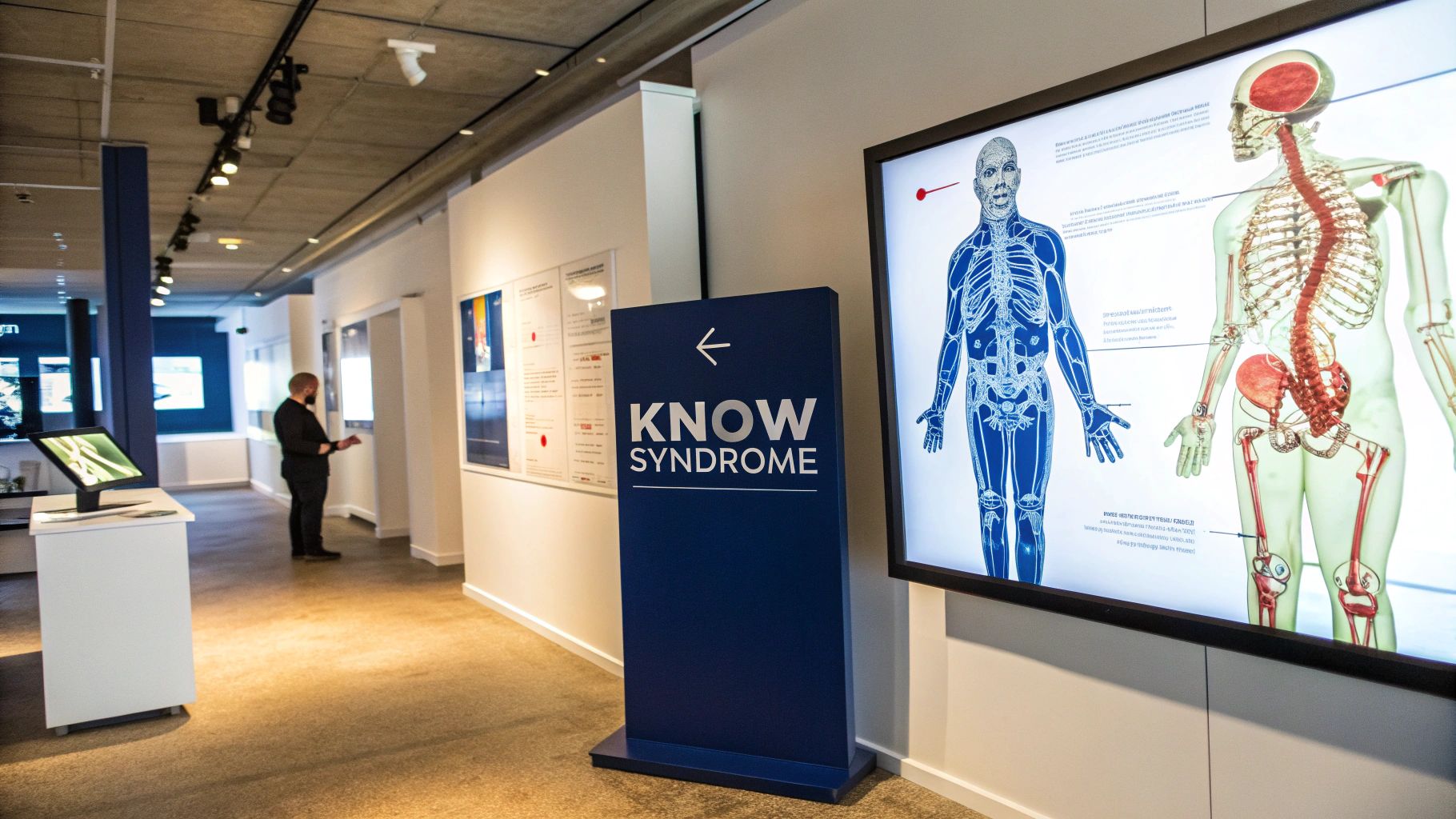
For approximately 250,000 veterans, the Gulf War's legacy persists in the form of Gulf War Syndrome. This condition presents a daily struggle, significantly impacting the lives of those affected. Truly understanding this syndrome requires moving beyond a clinical perspective and acknowledging the lived experiences of these veterans. It demands that we listen to their stories and the insights of researchers dedicated to uncovering the complexities of this illness.
The Complexity of Symptoms
One of the most challenging aspects of Gulf War Syndrome is its wide range of symptoms. These can include chronic fatigue, widespread pain, cognitive dysfunction, and gastrointestinal issues. The unpredictable combinations and varied presentation of these symptoms make diagnosis and treatment incredibly difficult.
This complexity distinguishes Gulf War Syndrome from other post-deployment health concerns. It necessitates specialized and individualized treatment approaches, moving beyond generalized protocols. This multifaceted nature underscores the need for ongoing research and dedicated resources.
The Role of Toxic Exposure
The unique toxic exposures faced by Gulf War veterans further complicate the search for answers and effective treatments. Exposure to a complex mixture of chemicals, a veritable "toxic soup," is believed to play a significant role in the development of this syndrome.
Veterans were exposed to substances including pyridostigmine bromide (PB), pesticides like DEET and permethrin, and potentially even nerve agents like sarin. While the precise mechanisms remain unclear, these exposures have been linked to the onset of Gulf War Syndrome symptoms. The VA's Research Advisory Committee on Gulf War Veterans' Illnesses has emphasized the significance of toxic exposures, ruling out psychological stress as a primary cause. Further research into these exposures is crucial for developing targeted treatments. Learn more about the impact of toxic exposure here.
The Struggle for Recognition and Care
The historical struggle for recognition of Gulf War Syndrome has created additional barriers to appropriate care. Many veterans have faced significant challenges in accessing the specialized treatments they need. This underscores the critical need for increased awareness, research funding, and resources dedicated to supporting these veterans and developing effective treatment strategies. Understanding and acknowledging the complexities of this condition is the first step towards ensuring that those who served receive the care and support they deserve.

While a single "cure" for Gulf War Syndrome remains elusive, several conventional medical treatments can effectively manage symptoms. This involves addressing the specific problems veterans experience, like pain, fatigue, and cognitive difficulties. This targeted approach recognizes the syndrome's complexity and avoids generalized solutions.
Targeting the Triad: Pain, Fatigue, and Cognitive Difficulties
Chronic pain is a debilitating symptom for many veterans with Gulf War Syndrome. Nonsteroidal anti-inflammatory drugs (NSAIDs) and antidepressants can help manage this pain. Fatigue, another common issue, can be addressed with medications designed to boost energy or improve sleep. For cognitive challenges like brain fog and memory problems, cholinesterase inhibitors, often used in Alzheimer's disease treatment, may offer some cognitive benefits.
This personalized approach to medication acknowledges the diverse ways Gulf War Syndrome presents. It moves beyond a simple diagnosis and focuses on each veteran's unique symptom profile. This individualization requires close collaboration between the veteran and their healthcare provider.
Individualized Protocols Vs. Standardized Approaches
Standardized treatment plans frequently fail to address the multifaceted nature of Gulf War Syndrome. Individualized protocols offer a more effective strategy. These personalized plans consider each veteran's specific symptoms, their severity, and overall health status. This personalized approach is essential for maximizing treatment effectiveness and minimizing side effects.
For instance, a veteran with predominantly gastrointestinal problems will require a different treatment plan than one primarily experiencing cognitive impairment. The Department of Veterans Affairs (VA) has conducted extensive research on Gulf War Syndrome, including the Longitudinal Health Study of Gulf War Era Veterans. Beginning in 2000, this study has tracked the health of approximately 30,000 veterans. Results consistently indicate that deployed veterans report poorer health than non-deployed veterans, experiencing higher rates of functional impairment and healthcare use. This underscores the need for ongoing research and personalized care. Learn more about this vital research here. Regular monitoring and adjustments to the treatment plan are also key to its continued effectiveness.
Recognizing When Adjustments Are Needed
Veterans should actively participate in their treatment plan. This includes recognizing warning signs of ineffective treatment and communicating openly with their healthcare providers. Warning signs may include a lack of symptom improvement, worsening of current symptoms, or new side effects.
Veterans should feel comfortable asking questions about their medications, potential side effects, and expected outcomes. This open communication allows for timely adjustments to the treatment plan. Working collaboratively with healthcare professionals ensures a more personalized and responsive approach to managing Gulf War Syndrome. This empowers veterans to regain control over their health and improve their quality of life.
Common Medications Used in Gulf War Syndrome Treatment
This table outlines frequently prescribed medications for various Gulf War Syndrome symptoms, their effectiveness rates, and potential side effects.
| Medication Category | Target Symptoms | Effectiveness Rating | Common Side Effects | Notes |
|---|---|---|---|---|
| NSAIDs (e.g., Ibuprofen, Naproxen) | Pain, inflammation | Variable, often provides short-term relief | Gastrointestinal issues, kidney problems | Not recommended for long-term use |
| Antidepressants (e.g., SSRIs, SNRIs) | Pain, mood disorders, sleep disturbances | Moderate | Nausea, weight changes, sexual dysfunction | Can be helpful for managing multiple symptoms |
| Cholinesterase Inhibitors (e.g., Donepezil, Rivastigmine) | Cognitive difficulties (memory, concentration) | Modest, may improve some cognitive functions | Nausea, vomiting, diarrhea | Primarily used for Alzheimer's disease, but may offer some benefit for Gulf War Syndrome |
| Sleep Aids (e.g., Zolpidem, Trazodone) | Insomnia, sleep disturbances | Variable, can improve sleep quality | Drowsiness, dizziness, dependence | Short-term use recommended |
This table provides a general overview of some common medication categories used in managing Gulf War Syndrome symptoms. Individual responses to medications vary, and it is crucial to consult with a healthcare provider to determine the most appropriate treatment plan. Remember, finding the right approach often requires careful monitoring and adjustments based on individual needs and responses.
Beyond Pills: Alternative Therapies Changing Veterans' Lives
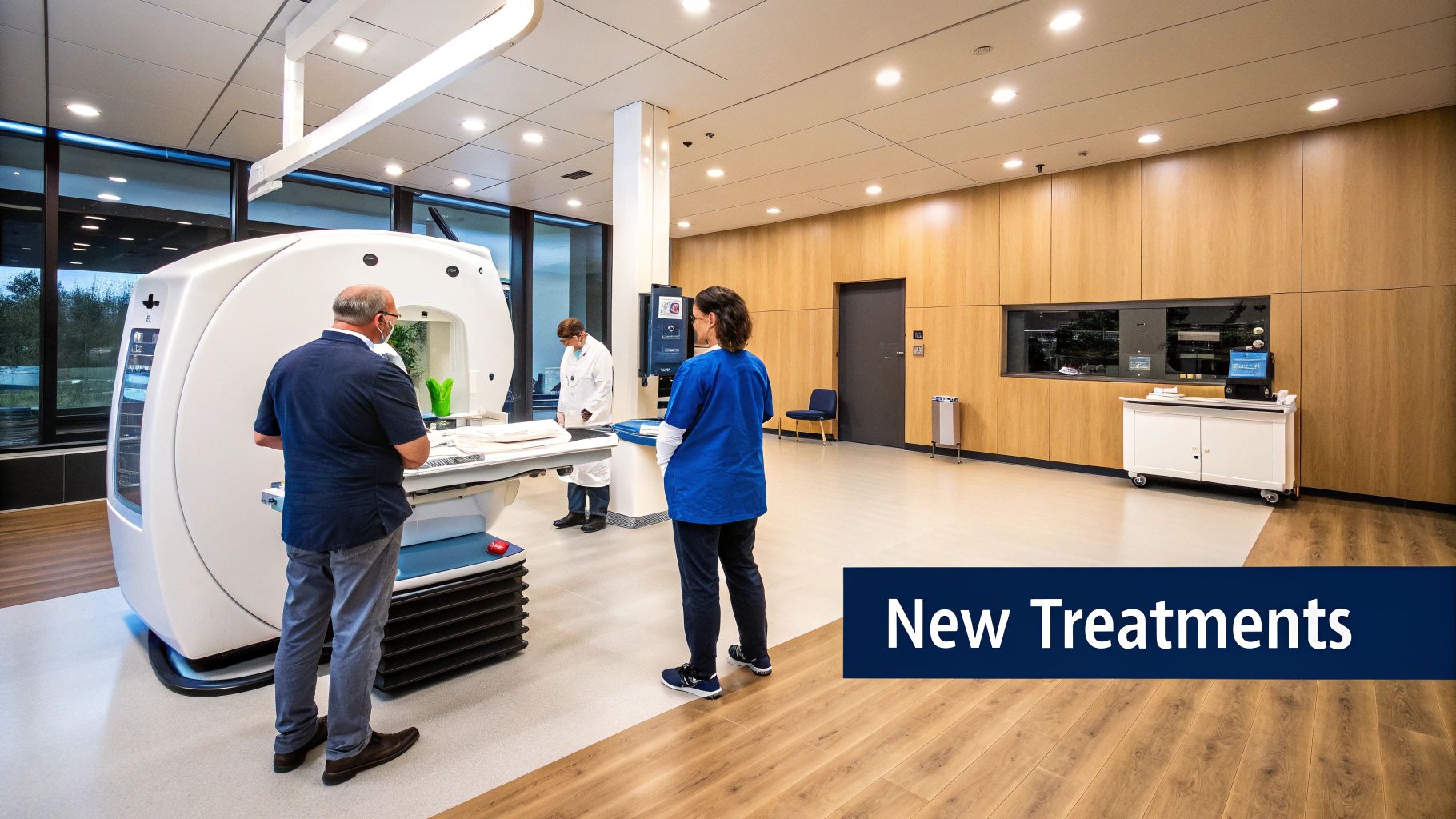
When conventional medical treatments fall short in providing relief for Gulf War syndrome, many veterans are exploring alternative therapies. These Complementary and Alternative Medicine (CAM) approaches offer potential benefits when used in conjunction with conventional care. This integrated approach aims to address the complex and often debilitating symptoms that standard treatments sometimes struggle to manage. This can include a range of therapies, from acupuncture and specialized nutrition to targeted movement therapy.
Exploring Evidence-Based Alternative Treatments
It's essential for veterans to understand that not all alternative therapies are supported by evidence. Distinguishing between evidence-based treatments and those lacking scientific backing is crucial. Acupuncture, an ancient practice involving the insertion of thin needles into specific body points, shows promise as a CAM therapy for Gulf War syndrome. It is believed to stimulate the body's self-healing mechanisms and provide pain relief.
Specialized nutrition protocols also play a role. These focus on addressing potential nutrient deficiencies and promoting overall well-being. These plans might involve eliminating certain foods, incorporating specific supplements, or making dietary changes based on individual needs. The goals often include reducing inflammation and improving gut health, both potentially linked to Gulf War syndrome symptoms.
Targeted movement therapies such as yoga, tai chi, and qigong can further improve physical function, reduce pain, and enhance mental well-being. These gentle exercises emphasize mindful movement, flexibility, and stress reduction. They provide a holistic approach to managing the diverse symptoms of the syndrome, which can be particularly helpful for veterans experiencing chronic pain and fatigue.
One significant development in Gulf War syndrome treatment is the increasing use of acupuncture. A clinical trial involving 104 veterans demonstrated notable improvements in self-reported health outcomes and pain levels among those who received bi-weekly acupuncture sessions. This study underscores the potential of alternative therapies in managing Gulf War illness symptoms. Learn more about this research here. This emphasizes the need for continued research into CAM therapies.
Accessing Alternative Therapies and Overcoming Barriers
Accessing these alternative therapies can be challenging. Veterans might face insurance hurdles or have difficulty finding qualified practitioners. However, both the VA and private healthcare systems are increasingly acknowledging the benefits of integrative medicine. Some VA facilities now offer acupuncture, yoga, and other CAM modalities.
Veterans seeking alternative treatments should actively advocate for their needs. This might involve discussing CAM options with their primary care physician, seeking referrals to specialists, and researching available resources. Persistence and open communication are essential for overcoming these obstacles and accessing the potential benefits of alternative therapies. Taking this proactive approach empowers veterans to take control of their health and explore all available treatment options.
Evaluating Alternative Approaches: Evidence vs. Empty Promises
Veterans considering alternative therapies should critically evaluate the evidence supporting their effectiveness. Not all alternative treatments undergo rigorous testing. A cautious and informed approach is essential to avoid investing time and resources in ineffective methods. It's advisable to seek treatments backed by research, particularly clinical trials.
Furthermore, consider the practitioner's qualifications and experience. Choosing a licensed and reputable practitioner ensures safe and high-quality care. Open communication with healthcare providers about any alternative treatments under consideration is also crucial. This collaborative approach ensures all aspects of care are coordinated and align with overall health goals. This open dialogue facilitates a more holistic and personalized approach to managing Gulf War syndrome. By combining conventional medicine with carefully selected alternative therapies, veterans can broaden their treatment options and potentially improve their quality of life.
Healing The Invisible Wounds: Psychological Treatment Breakthroughs

The link between mind and body is crucial in treating Gulf War Syndrome. Psychological interventions are now central to managing and relieving symptoms, showing measurable improvements in both physical and cognitive areas.
Cognitive Techniques For Symptom Management
Specialized cognitive techniques offer substantial benefits to veterans dealing with debilitating Gulf War Syndrome symptoms. These methods, designed to address veterans' unique challenges, can help manage chronic pain and brain fog.
Veterans can learn techniques like reframing negative thoughts, managing stress, and improving coping mechanisms. These techniques empower veterans to actively participate in their health management.
They provide tools to navigate daily life with Gulf War Syndrome, enhancing overall well-being and functionality. This active role is vital for transitioning from struggle to resilience.
Neurological Basis Of Psychological Approaches
The effectiveness of these psychological approaches stems from the brain's neurological mechanisms. These therapies can influence how the brain processes pain signals and manages emotional responses.
This often leads to reduced pain perception and improved emotional regulation for many veterans. Understanding this mind-body connection highlights the importance of psychological care in Gulf War Syndrome treatment.
It acknowledges that psychological interventions can improve physical health outcomes. This represents a shift towards more holistic care, addressing the interplay between mind and body.
Cognitive-Behavioral Therapy (CBT) and Gulf War Syndrome
Cognitive-behavioral therapy (CBT) is gaining recognition for its potential in Gulf War Syndrome treatment. While not a cure, CBT helps veterans actively manage symptoms and live more fulfilling lives.
By focusing on modifying negative thoughts and behaviors, CBT can be particularly helpful for those struggling with cognitive issues and other non-specific symptoms. This aligns with a broader strategy of addressing the multifaceted nature of Gulf War illness, acknowledging both its physical and psychological aspects.
CBT, however, remains one part of a comprehensive treatment plan. Other therapies might be included based on individual needs.
Finding Specialized Practitioners And VA Programs
Veterans seeking psychological support for Gulf War Syndrome should find practitioners specializing in this area. Look for professionals experienced in working with veterans and understanding the condition’s unique challenges.
Several VA programs are leading innovation in this area, providing specialized services. These programs often integrate psychological support with other treatments, creating a comprehensive and effective approach.
Contacting your local VA facility or researching online can help locate these programs. Practical self-management techniques, like mindfulness exercises, relaxation techniques, and stress management strategies, can offer immediate benefits.
These practices can help veterans regain control over their symptoms and improve their overall quality of life. Combining these practices with professional psychological care can greatly improve treatment outcomes.
Hope on the Horizon: Advances in Gulf War Syndrome Treatment
The struggle against Gulf War Syndrome continues for approximately 250,000 veterans. However, emerging research offers a promising glimpse into the future of care for this challenging condition. This exploration delves into the latest treatment advancements and clinical trials, offering crucial information for those affected.
Exploring New Treatment Strategies
Researchers are pursuing several innovative avenues to address Gulf War Syndrome. These include novel therapies targeting the nervous system, investigating new applications for currently FDA-approved medications, and exploring the potential benefits of specific dietary plans. This diverse range of approaches reflects the complex and varied symptoms experienced by veterans. The focus has shifted towards more precise treatments, moving away from broader, less effective methods.
Promising Clinical Trials and Their Impact
A number of clinical trials are currently underway, evaluating the effectiveness and safety of these new treatments. One example is direct electrical nerve stimulation, which aims to regulate nerve activity and offer pain relief. Researchers are also examining existing medications, originally approved for other conditions, to determine their potential in managing specific Gulf War Syndrome symptoms. Furthermore, individualized dietary protocols are being studied to assess their ability to decrease inflammation and enhance overall well-being. These research efforts hold promise for more effective and personalized treatment options in the years to come.
To further your understanding of Gulf War Syndrome, visit this informative resource: Gulf War Syndrome
The Gulf War Illness Research Program (GWIRP) has been instrumental in furthering this critical research. Between 2006 and 2016, the program received $129 million in funding. This significant financial support has enabled numerous clinical trials, including those focused on direct electrical nerve stimulation, repurposed FDA-approved drugs, and dietary interventions. The GWIRP's commitment to interventional studies demonstrates the continuing dedication to finding effective solutions for affected veterans.
Participating in Research: Accessing New Treatments
Veterans seeking access to these developing treatments may consider enrolling in clinical trials. Participation offers a chance to receive innovative care while contributing to the advancement of Gulf War Syndrome research. However, it's essential for veterans to carefully consider the potential risks and benefits of participating in a trial. Consulting with healthcare providers to discuss potential side effects, treatment protocols, and study requirements is highly recommended.
Collaboration and the Path Forward
Collaboration among government, academic, and private institutions is propelling advancements in Gulf War Syndrome research. This collaborative environment fosters innovation and accelerates the development of new treatments. This multifaceted approach acknowledges the complex nature of the syndrome and the need for diverse expertise. It signifies a growing commitment to providing effective solutions for veterans with Gulf War Syndrome.
To illustrate the various research initiatives currently underway, the following table provides a summary of their focus, approach, current phase, and potential impact:
Promising Gulf War Syndrome Treatment Research
This table presents current research initiatives, their approaches, preliminary findings, and potential impact for veterans.
| Research Focus | Treatment Approach | Study Phase | Preliminary Results | Potential Impact |
|---|---|---|---|---|
| Neuroinflammation | Direct electrical nerve stimulation | Phase II | Reduced pain and improved cognitive function in some participants | Could provide a non-pharmaceutical option for pain management and cognitive improvement |
| Immune dysfunction | Repurposed FDA-approved drugs (e.g., cholinesterase inhibitors) | Phase III | Modest improvements in cognitive function and fatigue | May offer targeted treatment for specific symptoms |
| Oxidative stress | Specialized dietary protocols (e.g., antioxidant-rich diets) | Phase I/II | Early indications of reduced inflammation and improved gut health | May help to manage systemic symptoms and improve overall health |
| Mitochondrial dysfunction | Exercise therapy and nutritional supplements | Phase II | Improved physical function and reduced fatigue | May enhance energy levels and quality of life |
These research initiatives are still in progress, and further studies are needed to confirm the efficacy and safety of these treatments. However, the preliminary findings offer a reason for optimism in the ongoing quest to improve the lives of veterans with Gulf War Syndrome.
These continuous research endeavors and collaborative efforts paint a hopeful picture for the future of Gulf War Syndrome treatment. As research progresses, it is anticipated that increasingly effective and personalized treatments will emerge. This provides renewed hope for veterans, promising better symptom management and an enhanced quality of life.
Your Personalized Recovery Blueprint: From Struggle to Strength
No two veterans experience Gulf War Syndrome the same way. Therefore, treatment shouldn’t be a one-size-fits-all approach. This section offers a practical framework for developing a personalized Gulf War Syndrome treatment strategy based on your unique symptoms. This involves understanding how to monitor your symptoms, identify your individual triggers, and objectively assess the effectiveness of different treatments.
Charting Your Course: Symptom Tracking and Trigger Identification
Effectively managing Gulf War Syndrome starts with understanding your body's individual responses. Maintaining a detailed symptom log is crucial. This log should document the type, severity, and duration of your symptoms.
Also, make note of any potential triggers that appear to worsen your symptoms. These could include certain foods, environmental factors, or stressful situations. For example, if you experience increased fatigue after eating specific foods, documenting this in your log can help you identify and eliminate those triggers.
This detailed information becomes extremely valuable for both you and your healthcare provider in creating a focused treatment plan.
Here's what to include in your symptom log:
- Date and Time: When each symptom occurs.
- Symptom Description: Be precise – sharp pain, dull ache, brain fog, etc.
- Severity: Use a scale (1-10) to rate the intensity.
- Duration: How long the symptom lasts.
- Potential Triggers: Any contributing factors.
Navigating the Healthcare System: Finding The Right Support
Finding knowledgeable healthcare providers experienced with Gulf War Syndrome is essential for effective care. Many veterans find success by working with specialists who understand the complexities of this condition.
Connecting with veteran support groups can also provide helpful insights and resources. These groups offer a space to share experiences, learn about various treatment approaches, and gain support from others facing similar challenges. They can also be excellent referral sources for healthcare professionals specializing in Gulf War Syndrome.
Evaluating Treatment Effectiveness: A Data-Driven Approach
Objectively evaluating treatment effectiveness is vital for optimizing your recovery. This involves tracking your symptoms before, during, and after starting any new treatment for Gulf War Syndrome. This process allows you to determine if the treatment positively impacts your symptoms.
If a specific treatment isn't providing relief, discuss this with your healthcare provider. They can help you explore other options or adjust your current plan. Finding the right treatment combination often requires a process of trial and error.
Overcoming Barriers to Access: Advocating For Your Needs
Veterans sometimes face obstacles when trying to access appropriate healthcare for Gulf War Syndrome. These obstacles may include bureaucratic hurdles, limited access to specialized care, or difficulties navigating the VA system. It’s important to be persistent in advocating for your needs.
This might involve seeking guidance from veteran service organizations, contacting your congressional representatives, or appealing denied claims. Persistence is key to getting the care and support you deserve.
Building Your Recovery Team: A Collaborative Approach
Managing Gulf War Syndrome is a team effort. Ideally, your healthcare team should include specialists in various areas, such as pain management, mental health, and physical therapy. Open communication with your providers is essential to coordinate care and ensure all aspects of your treatment plan work together smoothly.
Remember, you are your own best advocate. By actively participating in your care and seeking the right support, you can substantially improve your quality of life and build a stronger, healthier future.
Homefront Group is dedicated to helping veterans navigate the complexities of the VA system and access the benefits they deserve. We offer a range of services, from claims appeals to legal representation for medical malpractice and toxic exposure cases. Take our 3-minute quiz to discover which benefits you may qualify for and begin creating a personalized strategy for your future.