

Understanding the Legacy of Camp Lejeune's Water Crisis

From 1953 to 1987, a major environmental disaster unfolded at Marine Corps Base Camp Lejeune in North Carolina that continues to affect lives today. The base's water supply became contaminated with dangerous chemicals called volatile organic compounds (VOCs), including perchloroethylene (PCE) and trichloroethylene (TCE). At their peak, these toxin levels reached up to 3,400 times above what was considered safe. This exposed hundreds of thousands of service members, their families, and civilian workers to serious health risks, leading to the wave of legal cases we see today.
The Scope of Contamination and Exposure
The contamination at Camp Lejeune was extensive and long-lasting. Two main water treatment facilities – Hadnot Point and Tarawa Terrace – supplied tainted water throughout the base for over 30 years. This meant that people were exposed to these chemicals through basic daily activities like drinking water, preparing food, and showering. For many individuals who lived or worked on the base during this period, the prolonged exposure increased their risk of developing serious health problems. The sheer number of people affected makes this one of the largest cases of water contamination in U.S. history.
Health Consequences: A Generation Impacted
The health effects from Camp Lejeune's contaminated water have proven devastating for many victims. Medical research has linked exposure to these chemicals with numerous types of cancer, including kidney cancer, bladder cancer, and leukemia. Beyond cancer, evidence shows connections to other serious conditions like Parkinson's disease, ALS (Lou Gehrig's disease), and birth defects. These health challenges continue to affect victims and their families decades later. The severe and widespread nature of these medical issues has driven many to seek compensation through legal action.
The Government's Response and the Path to Justice
The government's handling of the Camp Lejeune crisis has developed gradually over time. Initial efforts focused on finding and stopping the contamination sources. As health problems emerged among former residents and workers, pressure grew for a more complete response. This led Congress to pass the Camp Lejeune Justice Act, which allows affected individuals to file claims if they spent at least 30 days at the base during the contamination period. This legislation opened an important path for victims to seek compensation for their injuries.
As of July 2024, hundreds of thousands of people have filed administrative claims, with thousands moving forward with lawsuits. This high volume of cases shows just how many lives were touched by this environmental disaster. While some cases have reached settlements, many victims continue their legal fight for fair compensation. These ongoing lawsuits represent a crucial effort to secure justice for one of America's worst cases of water contamination and its lasting impact on military families.
Breaking Down Health Impacts and Qualifying Conditions
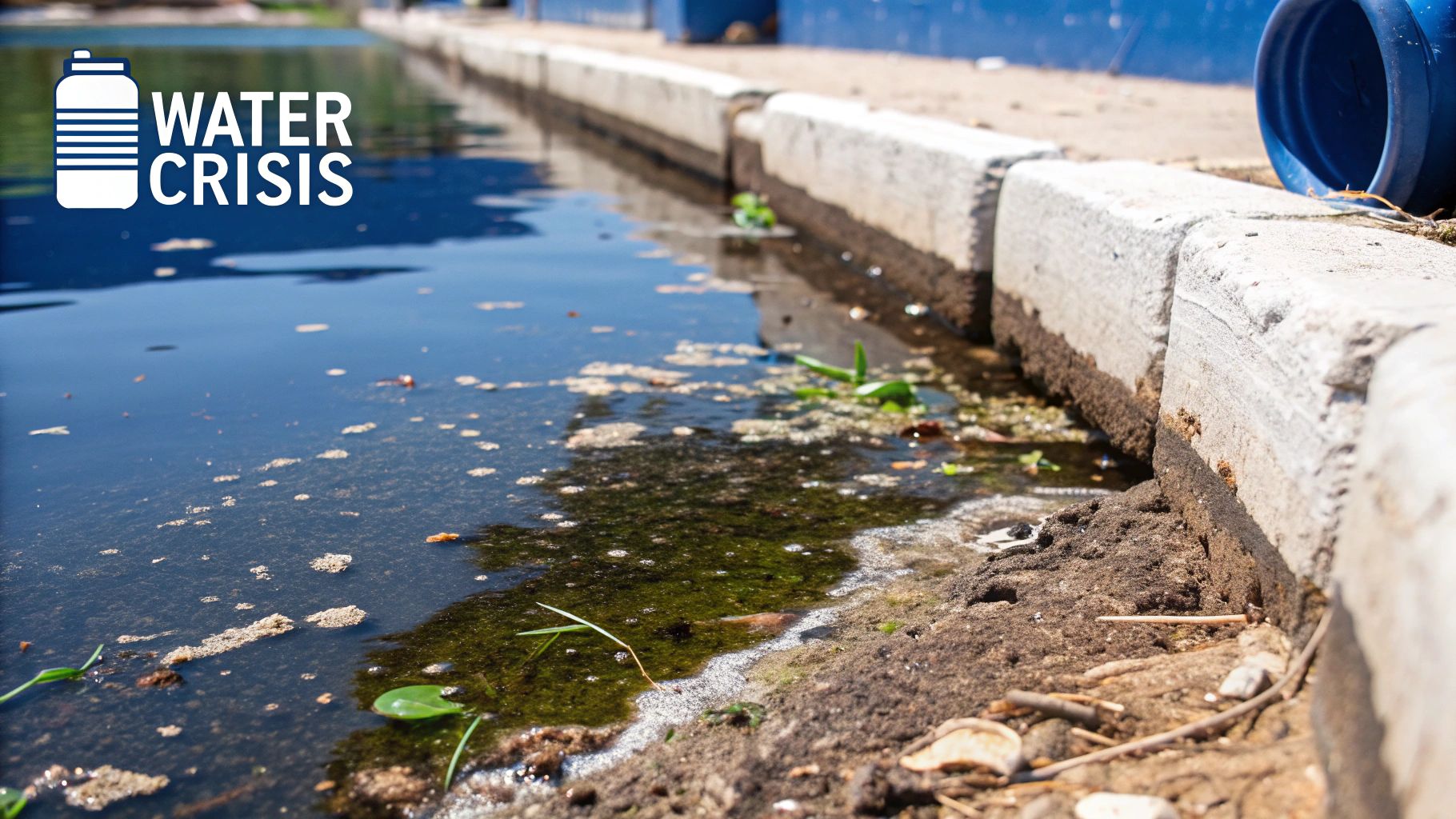
The water contamination at Camp Lejeune caused severe and lasting health problems for many service members and their families. This section examines the specific medical conditions linked to the contamination and explains how these conditions qualify for legal claims under current regulations.
Connecting Contamination to Specific Health Issues
The chemicals found in Camp Lejeune's water supply, including PCE, TCE, and benzene, were present at dangerously high levels – thousands of times above safety limits. For those exposed to this water for at least 30 days between 1953 and 1987, these toxins often led to serious illnesses.
Research has shown clear links between exposure and various types of cancer, including kidney cancer, bladder cancer, and leukemia. Additionally, many people developed neurological conditions like Parkinson's disease and ALS after their exposure. The wide range of health problems demonstrates just how harmful these contaminants were to the human body.
Qualifying Conditions Under the Camp Lejeune Justice Act
The Camp Lejeune Justice Act identifies several specific health conditions as being connected to the water contamination. These conditions form the foundation for legal claims. Here are the main categories of qualifying conditions:
- Cancers: Kidney cancer, bladder cancer, leukemia, multiple myeloma, Non-Hodgkin's lymphoma, liver cancer, lung cancer, breast cancer
- Neurological Disorders: Parkinson's disease, ALS (Amyotrophic Lateral Sclerosis)
- Other Conditions: Birth defects, cardiac defects, scleroderma, renal toxicity, hepatic steatosis, infertility
This list includes the most common conditions, but others may qualify based on individual cases and medical evidence. A legal professional who specializes in Camp Lejeune cases can help determine if specific health issues meet the criteria.
Establishing the Crucial Link: Evidence and Documentation
Success in a Camp Lejeune water claim depends on showing a clear connection between exposure to contaminated water and the diagnosed condition. Strong documentation is essential, even for conditions already recognized under the Act. Key evidence includes:
- Medical Records: Complete documentation of diagnosis, treatments, and ongoing care for the qualifying condition
- Military Service Records: Proof of time spent at Camp Lejeune during the contamination period (1953-1987)
- Expert Testimony: Medical professionals can explain how specific health problems relate to the known contaminants
Real Cases, Real Impacts: Examples of Successful Claims
Looking at actual cases helps show how the contamination affected real people. Take the case of a former Marine who developed kidney cancer years after serving at Camp Lejeune. By carefully documenting his service time, medical history, and getting expert medical opinions, he proved the connection between his cancer and the toxic water.
In another instance, a family whose child was born with serious birth defects after the mother lived at Camp Lejeune won their case. They succeeded by presenting detailed medical records and scientific research that showed how the specific contaminants could cause those birth defects. These examples show why thorough documentation and experienced legal help matter so much in these cases.
Navigating Your Legal Rights and Options

The Camp Lejeune Justice Act (CLJA), passed as part of the Honoring our PACT Act, has opened new possibilities for those affected by contaminated water at Camp Lejeune. This law removes previous barriers that prevented many from seeking compensation, particularly North Carolina's statute of repose. Now, people who lived or worked at Camp Lejeune for at least 30 days between August 1, 1953, and December 31, 1987, and later developed health problems may qualify for compensation.
Understanding the Camp Lejeune Justice Act
The CLJA creates a clear path for affected individuals to seek justice through the federal court system. This is especially important because many health conditions linked to the contaminated water, such as various cancers and neurological disorders, often take years or decades to appear. For example, if someone develops a qualifying illness 20 years after their time at Camp Lejeune, they can still file a claim under this law. The act allows people to sue the federal government regardless of when their health issues emerged.
Key Requirements for a Camp Lejeune Water Lawsuit
To file a successful claim, you must meet specific criteria set by the CLJA. First, you need proof that you spent at least 30 days at Camp Lejeune during the contamination period. You also need medical documentation showing a connection between your health condition and exposure to the contaminated water. This evidence might include medical records, military service documents, and expert statements. These requirements help establish a clear link between your time at Camp Lejeune and your health issues.
The Claims Process: Administrative Claim and Litigation
Filing a Camp Lejeune water contamination claim involves two main steps. You must first submit an administrative claim to the Navy's Tort Claims Unit. As of July 2024, more than 261,293 people have filed such claims, showing how widespread this issue is. If the Navy denies your claim or doesn't respond within six months, you can then file a lawsuit in the Eastern District of North Carolina. Since this process can be complicated, working with a lawyer who specializes in Camp Lejeune cases can help ensure you meet all requirements and deadlines.
Current State of Litigation and Emerging Strategies
The legal landscape for Camp Lejeune cases continues to take shape. While some cases have reached settlements between $100,000 and $450,000, many claims are still pending. Recent developments show that the government now requires stronger evidence linking water exposure to specific health conditions. This means claimants need solid medical evidence and expert testimony to support their cases. As more cases move through the system, lawyers are developing better ways to prove these connections and handle the complex requirements of the CLJA. When choosing legal representation, look for attorneys with specific experience in Camp Lejeune cases who can guide you through this process effectively.
Understanding Settlement Values and Compensation Factors

Getting fair compensation in a Camp Lejeune water lawsuit requires understanding how settlements are calculated. While each case is unique, several key factors determine the potential value of a claim. Let's explore what goes into settlement amounts and what you can reasonably expect.
Decoding the Factors Influencing Settlement Amounts
The value of a Camp Lejeune settlement depends on multiple elements that show the full impact of contaminated water exposure. Here are the main factors that affect compensation:
-
Severity of the Health Condition: The more serious your health problems, the higher the potential settlement. For example, someone with an aggressive cancer typically receives more than someone with a less severe illness, since they face greater medical costs and life impacts.
-
Duration of Exposure: Your time at Camp Lejeune between 1953-1987 directly affects your claim. Similar to compound interest, longer exposure periods often mean greater health risks and higher settlements, since extended contact with contaminated water increases the chances of serious illness.
-
Strength of Documentation: Clear evidence strengthens your case considerably. Having detailed medical records, military service documentation from your time at Camp Lejeune, and expert testimony helps prove your claim. Missing or unclear records can reduce your settlement amount.
-
Lost Income and Earning Capacity: The settlement takes into account any wages you've lost due to your health problems, including money you can't earn in the future because of ongoing medical issues or disabilities.
Exploring the Range of Camp Lejeune Settlements
Looking at past cases shows that settlements typically range from $100,000 to $450,000, though each case is different based on the factors above. This range could change as more cases are resolved. The government has set aside $21 billion for Camp Lejeune claims, but your specific settlement will depend on the details of your situation.
Maximizing Your Claim's Value: Practical Strategies
While no settlement is guaranteed, you can take several steps to build a stronger case:
-
Gather Comprehensive Medical Documentation: Collect all records about your diagnosed conditions, including treatment plans, medical bills, and ongoing health issues.
-
Secure Service Records: Get official military documentation that proves you were at Camp Lejeune during the contamination period. These records are essential for qualifying under the Camp Lejeune Justice Act.
-
Consult with Experienced Legal Counsel: A lawyer who specializes in Camp Lejeune cases can guide you through evidence collection and government negotiations. They understand these claims' specific requirements and can help build your strongest possible case.
-
Maintain Realistic Expectations: While pursuing fair compensation is important, understand that settlement amounts vary widely. An experienced attorney can help you understand what to expect based on your specific situation.
Understanding these factors and following these strategies can help you navigate the legal process more effectively. The key is thorough preparation, expert guidance, and a clear understanding of how settlement values are determined in these cases.
Building Your Winning Claim Strategy
Successfully filing a Camp Lejeune water lawsuit requires careful attention to detail and a methodical approach. By understanding what evidence to gather and how to present it effectively, you can build a strong case that demonstrates both your presence at Camp Lejeune and the impact on your health.
Gathering Compelling Evidence: A Step-by-Step Guide
Strong evidence forms the core of any successful Camp Lejeune claim. Here are the key documents you'll need to collect:
-
Military Service Records: These official records prove your time at Camp Lejeune during the contamination period (1953-1987). Request documentation that clearly shows your dates and locations of service – this establishes the essential fact of your presence on base.
-
Medical Documentation: Complete medical records showing your diagnosis, treatment history, and ongoing care are vital. For example, if you're dealing with cancer, gather all biopsy reports, treatment summaries, and follow-up records. These documents create a clear link between your health issues and the contamination.
-
Residency Records: If you lived at Camp Lejeune as a civilian family member, collect utility bills, housing contracts, or other official documents proving your time there. This paperwork provides another layer of verification for your presence on base.
-
Exposure Records: While direct exposure records can be hard to find, look for base newsletters, community announcements, or any documents mentioning water quality issues during your time at Camp Lejeune. These details help paint a fuller picture of the contamination you experienced.
Navigating the Verification Process
Getting your time at Camp Lejeune officially verified is a key step in the claims process. An experienced legal team can help you obtain and organize the necessary records through proper channels. For instance, they can request archived military documents and interpret complex regulations that might affect your claim.
Establishing Exposure Periods
The length of time you were exposed to contaminated water matters. While the Camp Lejeune Justice Act requires at least 30 days of exposure, showing longer periods often strengthens your case. Medical research shows that extended exposure typically leads to more severe health effects, much like prolonged sun exposure increases health risks.
Building a Convincing Case Under Current Standards
Recent changes in how Camp Lejeune claims are evaluated mean you need solid evidence linking your health problems to the contaminated water. Working with medical experts who can explain this connection clearly and credibly is essential. Their professional opinions help establish the scientific basis for your claim.
Practical Techniques for Strengthening Your Claim
Organize all your evidence by date and category, making it easy to find specific documents when needed. Address any gaps in your records early – for example, if you're missing certain medical files, work with your legal team to find alternative ways to document your condition. Taking these steps helps create a clear, well-supported claim.
A successful Camp Lejeune water lawsuit requires careful preparation, expert guidance, and thorough documentation. By following these guidelines and working closely with your legal team, you can present the strongest possible case and improve your chances of receiving fair compensation.
Securing Your Future: Next Steps and Critical Deadlines
When dealing with Camp Lejeune water contamination claims, taking prompt action is essential. Here's a step-by-step guide to help you navigate the claims process and key deadlines.
The First Step: Filing Your Administrative Claim
Before pursuing any lawsuit, you must first file an administrative claim with the Navy's Tort Claims Unit. This initial filing sets the foundation for your case and requires several key components:
- Personal Information: Name, address, contact details, and social security number
- Service Information: Documentation proving your time at Camp Lejeune through military records, housing assignments, or utility bills
- Medical Information: Medical records showing your qualifying condition diagnosis, treatment history, and associated costs
- Exposure Details: Specific information about when and where you were exposed to contaminated water at Camp Lejeune
- Damages Claimed: A detailed accounting of compensation sought, including medical expenses, lost wages, and pain and suffering
While gathering this documentation may seem overwhelming, help is available. Working with an experienced attorney can ensure your claim includes all necessary elements and meets legal requirements.
Navigating the Waiting Period and Subsequent Lawsuit
After submitting your administrative claim, the Navy has six months to review it. During this time, they may ask for additional information – it's important to respond quickly and thoroughly to these requests. If your claim is denied or if six months pass without a decision, you can then file a lawsuit in the Eastern District of North Carolina. At this stage, having legal representation becomes crucial to help build a strong case and effectively negotiate with the government.
Understanding Key Deadlines: Don't Miss Your Chance
The Camp Lejeune Justice Act's two-year filing period ended on August 1, 2024. While new lawsuits can no longer be filed, cases submitted before the deadline continue to move forward. Each case has specific timelines and requirements – your attorney will help ensure you meet all deadlines to protect your rights.
Strategic Considerations for Maximum Impact
Building a successful claim requires careful planning and attention to detail. Consider these key strategies:
- Thorough Documentation: Gather comprehensive evidence that clearly shows both your exposure and medical condition
- Expert Testimony: Include medical expert opinions that establish clear connections between the contaminated water and your health issues
- Realistic Expectations: Work with your attorney to understand potential settlement values based on similar cases and current trends
For instance, cases with detailed medical records and strong expert testimony typically have better outcomes than those relying on minimal documentation.
Beyond the Lawsuit: Support and Resources
Filing a Camp Lejeune water contamination claim can be both emotionally and practically challenging. Support groups and organizations exist to help connect you with others facing similar situations, providing valuable emotional support and information sharing.
If you or a loved one needs assistance with a Camp Lejeune claim, consider reaching out to Homefront Group. They specialize in helping veterans and first responders navigate toxic exposure claims and can provide expert guidance through this process.