
Decoding the Impact of Burn Pits on Veteran Health
This listicle details eight common burn pit exposure symptoms. Understanding these symptoms is crucial for veterans seeking medical care and benefits under the PACT Act. If you served near burn pits and experience any of these issues, this information can help you pursue VA claims, appeals, or other legal actions related to medical malpractice, toxic exposure, and workers' compensation. This list covers respiratory issues, constrictive bronchiolitis, sinusitis, skin conditions, gastrointestinal problems, fatigue, autoimmune disorders, and cancers linked to burn pit exposure. Knowing the potential health impacts empowers veterans and first responders to seek appropriate support and compensation.
1. Respiratory Issues (Chronic Cough, Shortness of Breath)
Respiratory problems are among the most prominent and debilitating burn pit exposure symptoms. Veterans exposed to the toxic smoke emanating from burn pits often experience persistent coughing, shortness of breath (dyspnea), and overall difficulty breathing, particularly during physical exertion. This is because the smoke contains a complex mixture of particulate matter, volatile organic compounds, and other harmful chemicals that can directly damage the delicate tissues of the lungs and airways. This damage can lead to both acute respiratory distress and chronic respiratory conditions, severely impacting a veteran's quality of life.

The hallmark features of burn pit-related respiratory issues include a persistent cough (either dry or producing phlegm), shortness of breath that worsens with activity (reduced exercise tolerance), wheezing sounds during breathing, and a feeling of tightness or constriction in the chest. These symptoms often mimic conditions like asthma or bronchitis, making accurate diagnosis crucial.
Why this symptom deserves its place on the list: Respiratory issues are not only common among veterans exposed to burn pits, but they also serve as a significant indicator of potential long-term health problems. The severity of these issues can range from mild discomfort to life-threatening conditions, making early recognition and treatment paramount. Furthermore, respiratory issues are now recognized as presumptive conditions under the PACT Act, streamlining the VA claims process for affected veterans.
Pros of Early Recognition:
- Early Indicator of Exposure: Respiratory symptoms can be one of the first signs of burn pit exposure, allowing for quicker diagnosis and intervention.
- Often Responds to Respiratory Treatments: Many respiratory issues stemming from burn pit exposure can be managed with medications, pulmonary rehabilitation, and lifestyle changes.
- Can be Monitored via Pulmonary Function Tests: Objective measurements like pulmonary function tests (PFTs) allow doctors to track lung function over time and assess the effectiveness of treatment.
Cons and Long-Term Concerns:
- May be Confused with Other Respiratory Conditions: Similar symptoms in other conditions like asthma or allergies can complicate diagnosis.
- Can Become Chronic and Irreversible: If left untreated or if exposure was severe, respiratory damage can become permanent and lead to decreased quality of life.
- May Progress to More Serious Conditions: Burn pit exposure has been linked to the development of more serious respiratory illnesses, including chronic bronchitis, emphysema, and constrictive bronchiolitis, a rare and serious lung disease.
Examples of Respiratory Issues in Veterans:
- A significant number of veterans returning from Iraq and Afghanistan, where open burn pits were prevalent, reported developing new-onset asthma-like symptoms after deployment.
- Studies have shown Operation Iraqi Freedom veterans exhibiting a 10% higher rate of reported respiratory issues compared to their non-deployed counterparts.
Actionable Tips for Veterans Experiencing Respiratory Issues:
- Seek Early Pulmonary Evaluation: If you are a veteran experiencing respiratory symptoms and suspect burn pit exposure, consult a pulmonologist or other respiratory specialist as soon as possible.
- Consider Using Daily Peak Flow Meters: These handheld devices help monitor breathing capacity and can alert you to changes in your lung function.
- Avoid Additional Respiratory Irritants: Minimize exposure to cigarette smoke, air pollution, and other irritants that can exacerbate respiratory problems.
Organizations Raising Awareness and Providing Support:
The issue of burn pit-related respiratory illnesses has been brought to the forefront by organizations like the VA's Airborne Hazards and Open Burn Pit Registry, the veteran advocacy group Burn Pits 360, and through legislation such as The PACT Act of 2022, which recognizes respiratory conditions as presumptive conditions related to burn pit exposure. This recognition simplifies the process for veterans seeking disability benefits related to their respiratory conditions. This is particularly important for veterans pursuing VA claim appeals, those affected by toxic exposure, and those seeking medical malpractice claims.
This information is crucial for veterans navigating the complexities of the VA system and seeking appropriate compensation and healthcare. It also serves as a valuable resource for first responders facing similar challenges with toxic exposure and work-related injuries.
2. Constrictive Bronchiolitis
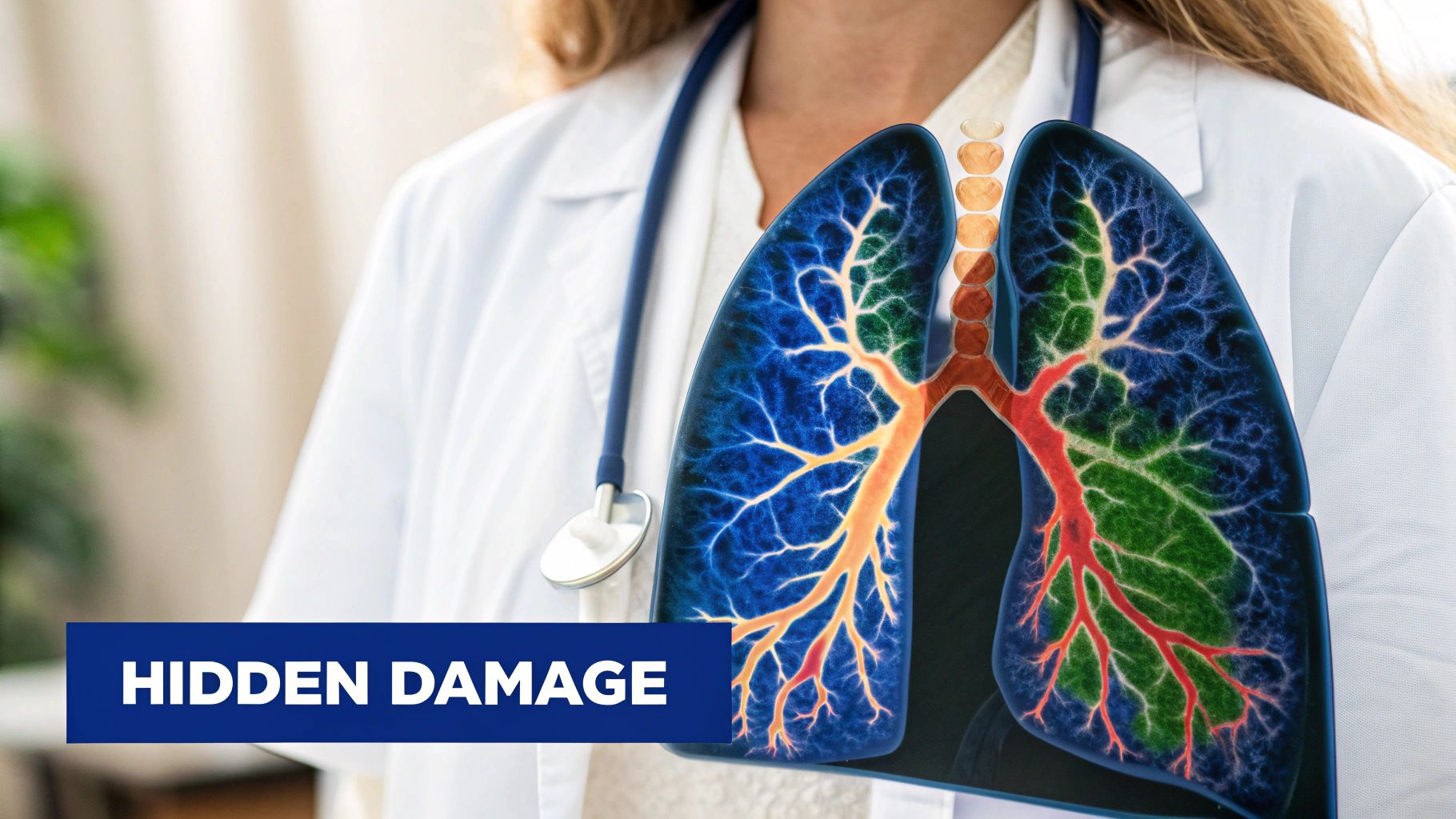
Constrictive bronchiolitis is a severe and relatively rare respiratory condition linked to burn pit exposure. This condition involves inflammation and scarring in the bronchioles, the smallest airways in the lungs. This scarring and inflammation cause the airways to narrow, restricting airflow and leading to irreversible lung damage. Constrictive bronchiolitis is particularly concerning because it often goes undetected by routine pulmonary function tests (PFTs), making diagnosis challenging and often requiring a lung biopsy for confirmation. This makes it a crucial symptom to consider for veterans and first responders who have been exposed to burn pits and are experiencing respiratory issues.
Features of Constrictive Bronchiolitis:
- Progressive Shortness of Breath: The primary symptom is increasing difficulty breathing, which can worsen over time.
- Normal Chest X-rays Despite Symptoms: Standard chest X-rays often appear normal, even in the presence of significant breathing problems, making diagnosis more complex.
- Irreversible Airflow Limitation: The damage to the airways is typically permanent, resulting in ongoing breathing difficulties.
- Abnormal Tissue in Lung Biopsies: A lung biopsy is frequently the only definitive way to diagnose constrictive bronchiolitis, revealing characteristic scarring and inflammation in the bronchioles.
Why is Constrictive Bronchiolitis on this list? Its inclusion is vital due to the difficulty in diagnosing and the severity of its impact on respiratory health. Because burn pit exposure is a recognized risk factor, veterans and first responders experiencing breathing problems following such exposure should be aware of this condition and advocate for thorough evaluation.
Pros and Cons:
- Cons: Often irreversible, difficult to diagnose with conventional tests, limited treatment options, progressively worsens over time.
Examples of Constrictive Bronchiolitis related to Burn Pit Exposure:
- A Vanderbilt University study identified constrictive bronchiolitis in soldiers returning from Iraq and Afghanistan who had been exposed to burn pits.
- A 2011 New England Journal of Medicine case series documented constrictive bronchiolitis in 38 soldiers with burn pit exposure. This landmark series brought significant attention to the condition.
Tips for Veterans and First Responders:
- Seek Specialized Care: Request a referral to a pulmonologist (lung specialist) experienced in diagnosing and managing deployment-related or occupational lung diseases, particularly those related to toxic exposures.
- Advanced Imaging: Consider pushing for advanced imaging techniques beyond standard chest X-rays, such as high-resolution CT scans (HRCT), which can sometimes reveal subtle changes in the airways.
- Lung Biopsy: If you’re experiencing persistent respiratory symptoms despite normal imaging results, discuss the possibility of a lung biopsy with your doctor. This is often the only way to obtain a definitive diagnosis.
Key Figures and Cases Raising Awareness:
- Dr. Robert Miller of Vanderbilt University Medical Center has been instrumental in researching and raising awareness of constrictive bronchiolitis in veterans exposed to burn pits.
- The case of Army Staff Sgt. William Thompson, whose diagnosis of constrictive bronchiolitis helped bring national attention to the issue, is a stark reminder of the condition's impact.
This information is crucial for veterans pursuing VA claim appeals, seeking medical malpractice claims, and needing assistance with other legal and financial matters related to their health. Early diagnosis and appropriate management are critical for mitigating the long-term effects of constrictive bronchiolitis. Recognizing the connection between this condition and burn pit exposure is the first step toward receiving appropriate care and support.
3. Sinusitis and Rhinitis
Burn pit exposure symptoms often manifest in the upper respiratory tract, leading to chronic conditions like sinusitis (inflammation of the sinuses) and rhinitis (inflammation of the nasal passages). This is a significant concern for veterans exposed to burn pit smoke, as the particulate matter and chemical irritants can directly damage the sensitive tissues lining the nasal passages and sinuses. This damage triggers inflammation, increases susceptibility to infections, and can result in persistent, debilitating symptoms. This makes sinusitis and rhinitis a key consideration when evaluating burn pit exposure symptoms and pursuing related claims.
How it Works:
The inhalation of burn pit smoke introduces a complex mixture of particulate matter, toxins, and irritants directly into the respiratory system. These substances can irritate and inflame the lining of the nasal passages and sinuses. The body's natural response to this irritation is inflammation, which, when chronic, can lead to the development of sinusitis and rhinitis. This inflammation can obstruct airflow, impair mucus clearance, and create an environment conducive to bacterial and viral infections.
Features and Symptoms:
Veterans experiencing sinusitis and rhinitis related to burn pit exposure often report the following:
- Nasal congestion and discharge: A persistent stuffy nose and excessive mucus production, often thick and discolored.
- Facial pain or pressure: Pain or pressure around the eyes, forehead, cheeks, and nose, often worsening when bending over.
- Reduced sense of smell (hyposmia) or loss of smell (anosmia): Difficulty or inability to smell, which can impact taste and overall quality of life.
- Post-nasal drip: The sensation of mucus dripping down the back of the throat, often leading to coughing and throat irritation.
- Recurrent sinus infections: Frequent sinus infections requiring antibiotic treatment, indicating a compromised immune response in the sinuses.
Pros and Cons of Diagnosis and Treatment:
Pros:
- Often responds to medical treatment: Various treatment options are available, including nasal corticosteroids, decongestants, antihistamines, and antibiotics for infections.
- Relatively easy to diagnose: Physical examination and symptom evaluation can often lead to a diagnosis, with further imaging (CT scans) used for confirmation in complex cases.
- Usually not life-threatening: While significantly impacting quality of life, sinusitis and rhinitis are rarely life-threatening.
Cons:
- Can significantly impact quality of life: Chronic symptoms can interfere with sleep, work, and daily activities.
- May require long-term medication: Some individuals may require ongoing medication to manage their symptoms.
- Can lead to chronic sinus infections: Recurring infections can cause further damage and complications.
Examples and Evidence:
Studies have shown a significant prevalence of chronic sinus issues among veterans exposed to burn pits, with some research indicating that 30-40% report such problems. Furthermore, VA medical centers are reporting increased referrals to Ear, Nose, and Throat (ENT) specialists for deployment-related sinus conditions, strengthening the link between burn pit exposure and these respiratory ailments.
Tips for Management:
- Saline nasal irrigation: Regularly rinsing the nasal passages with saline solution can help clear out irritants and thin mucus.
- Environmental controls: Using air purifiers with HEPA filters can help remove airborne particles and improve indoor air quality.
- Symptom tracking: Keeping a record of symptom patterns can help identify potential triggers and inform treatment strategies.
- Complete antibiotic courses: If prescribed antibiotics for a sinus infection, it's crucial to complete the entire course to prevent antibiotic resistance and ensure the infection is fully eradicated.
This information is vital for veterans seeking VA claim appeals, those affected by toxic exposure, and those pursuing medical malpractice claims related to burn pit exposure. Understanding the connection between burn pit exposure and sinusitis/rhinitis is crucial for proper diagnosis, treatment, and obtaining appropriate compensation and benefits. While not immediately life-threatening, these conditions can severely impact a veteran's quality of life and necessitate ongoing medical care.
4. Skin Conditions (Rashes, Dermatitis)
Skin conditions, including persistent rashes, unusual lesions, and dermatitis, are unfortunately common burn pit exposure symptoms reported by veterans. The diverse array of toxic chemicals present in burn pit smoke can act as irritants or allergens upon skin contact. Additionally, some toxins absorbed systemically can manifest with skin eruptions. This means that skin issues can be both a direct result of contact with smoke and an indicator of internal damage caused by inhaled toxins. This makes skin conditions a significant concern for those exposed to burn pits during their service.

Specific skin manifestations related to burn pit exposure can include persistent or recurring rashes, unusual pigmentation changes (like darkening or lightening of the skin), dry, cracked, or irritated skin, intense itching (pruritus), and skin lesions that are resistant to standard treatments. Some veterans have even reported chloracne-like conditions, bearing similarities to skin issues seen in those exposed to Agent Orange. Cases of unusual photosensitive reactions, where the skin reacts abnormally to sunlight, have also been documented at VA medical centers.
Why This Matters for Your Claim:
Skin conditions deserve a prominent place on this list of burn pit exposure symptoms because they are often visible and readily documentable, which is crucial for supporting medical claims. The visible nature of these conditions makes it easier to establish a clear timeline of symptom onset and progression, correlating them with deployment dates and burn pit exposure.
Pros:
- Visible and Documentable: Photographic evidence of skin conditions can significantly strengthen VA claims.
- Treatable: Many skin conditions respond positively to dermatological treatments, offering potential relief for veterans.
- Early Indicators: Skin problems can serve as early warning signs of toxic exposure, prompting further investigation and potentially preventing more severe health complications.
Cons:
- Difficult to Link: Connecting skin conditions solely to burn pits can be challenging due to other potential environmental factors. A strong medical opinion connecting the two is vital.
- Chronicity: Some skin conditions can become chronic, requiring ongoing management and impacting quality of life.
- Autoimmune Potential: In some cases, the skin conditions triggered by burn pit exposure can develop autoimmune characteristics, adding complexity to diagnosis and treatment.
Actionable Tips:
- Document with Photographs: Regularly photograph skin changes to create a visual record of their progression. Include dates and descriptions.
- Detailed Records: Maintain a detailed log of when symptoms first appeared, how they've changed, and any treatments you've tried.
- Specialist Care: Consult with dermatologists experienced in diagnosing and treating skin conditions related to environmental exposures.
- Avoid Irritants: Minimize exposure to harsh soaps, lotions, and other potential skin irritants to prevent exacerbating existing conditions.
The increased awareness of unusual skin conditions among veterans exposed to burn pits, fueled by veteran advocacy groups and the VA's inclusion of certain skin conditions in the Airborne Hazards and Burn Pit Registry, reinforces the importance of recognizing and addressing these health concerns. These efforts help establish a stronger connection between burn pit exposure and dermatological problems, further supporting veterans in their pursuit of appropriate medical care and benefits.
5. Gastrointestinal Issues
Burn pit exposure symptoms can manifest in various ways, and gastrointestinal (GI) problems are increasingly recognized as a significant concern for veterans. These issues deserve a prominent place on this list due to their prevalence among those exposed to burn pits and the potential for long-term health consequences. If you've experienced digestive problems after burn pit exposure, understanding the connection and available resources is crucial, especially if you're seeking VA claim appeals or other forms of compensation.
Exposure to the toxic fumes from burn pits can have a profound impact on the digestive system. The ingestion of airborne toxins, the body's systemic inflammatory response to inhaled chemicals, and the elimination of absorbed toxins through the digestive tract can all contribute to the development of chronic GI conditions. Many veterans report persistent gastrointestinal symptoms following deployment to areas where burn pits were used.
Features of Burn Pit-Related Gastrointestinal Issues:
Several characteristic features can point towards burn pit exposure as the underlying cause of GI problems:
- Chronic Diarrhea or Constipation: Significant changes in bowel habits, persisting for extended periods, can indicate digestive dysfunction.
- Abdominal Pain or Cramping: Frequent or severe abdominal discomfort, often accompanied by bloating or distension.
- Acid Reflux and Heartburn: Persistent burning sensation in the chest and throat caused by stomach acid flowing back into the esophagus (GERD).
- Nausea and Vomiting: Recurring episodes of nausea and vomiting can signal digestive distress and impaired gut function.
- Unexplained Weight Changes: Significant weight loss or gain without intentional dietary changes may suggest underlying digestive issues.
Pros and Cons of Recognizing Burn Pit-Related GI Issues:
Pros:
- Often Improves with Dietary Modifications and Medications: While not always curative, managing symptoms through dietary changes and medication can significantly improve quality of life.
- Diagnosable Through Standard Medical Tests: Conditions like IBS and GERD can be diagnosed through routine medical examinations and procedures.
- Research Increasingly Supporting Connection to Toxic Exposures: The growing body of research strengthens the link between burn pit exposure and gastrointestinal problems, aiding in claims and appeals.
Cons:
- Symptoms Overlap with Many Other Conditions: Diagnosing burn pit-related GI issues can be challenging due to symptom overlap with other common conditions.
- Can Significantly Impact Quality of Life: Chronic digestive problems can severely affect daily life, impacting work, social activities, and overall well-being.
- May Require Long-Term Management: These conditions often require ongoing medical care and management to control symptoms.
Examples of the Impact:
Studies have shown a 25-30% higher rate of GERD in deployed veterans compared to non-deployed personnel. Furthermore, documented cases of post-deployment IBS in previously asymptomatic service members further highlight the connection to burn pit exposure. These statistics are relevant not only for medical diagnoses but also for veterans navigating the VA claims process and pursuing medical malpractice claims, if applicable.
Actionable Tips for Veterans:
- Keep a Food Diary: Identify trigger foods that exacerbate your symptoms and share this information with your healthcare provider.
- Work with Gastroenterologists Familiar with Toxic Exposure Effects: Seek specialists experienced in treating veterans exposed to environmental toxins.
- Consider Specialized Testing for Inflammatory Markers: Discuss the possibility of advanced testing to identify underlying inflammation in the digestive tract.
- Discuss the Temporal Relationship between Deployment and Symptom Onset with Healthcare Providers: Clearly establish the timeline of your symptoms in relation to your deployment, providing crucial evidence for claims and appeals.
Recognition and Research:
The inclusion of functional GI disorders in the PACT Act signifies a critical step in acknowledging and addressing the impact of burn pit exposure. Ongoing research by the VA Post-Deployment Health Services further contributes to understanding and treating these conditions. This recognition is particularly important for veterans seeking compensation for burn pit exposure symptoms.
6. Unexplained Fatigue and Weakness
Unexplained fatigue and weakness are debilitating symptoms frequently reported by veterans exposed to burn pit emissions. This isn't the typical tiredness that resolves with a good night's sleep. We're talking about chronic, persistent fatigue that significantly impacts daily life, making even simple tasks feel overwhelming. This deserves a prominent place on the list of burn pit exposure symptoms because it drastically diminishes a veteran's quality of life and can be a sign of underlying health issues related to toxic exposure. It’s a crucial component of the broader picture of "burn pit exposure symptoms" and should be taken seriously.
How it Manifests:
This persistent fatigue often presents as:
- Fatigue not relieved by rest: No matter how much sleep a veteran gets, the fatigue remains. This differentiates it from normal tiredness.
- Post-exertional malaise: Even minor physical or mental exertion can lead to a significant worsening of fatigue, often lasting for days.
- Reduced stamina and exercise tolerance: Veterans may find themselves unable to sustain physical activity for as long as they could before exposure. Simple activities like climbing stairs or walking short distances become challenging.
- General feeling of weakness: This can manifest as muscle weakness, difficulty with coordination, and a general lack of energy.
- Cognitive fatigue ("brain fog"): Difficulty concentrating, memory problems, and slowed thinking are common. This cognitive fatigue can make it challenging to perform work, maintain relationships, and engage in daily activities.
Why It Happens:
While the exact mechanisms are still being investigated, mounting evidence suggests this debilitating fatigue may be a result of:
- Systemic inflammation: Exposure to burn pit toxins can trigger chronic inflammation throughout the body, contributing to fatigue and other symptoms.
- Mitochondrial damage: Mitochondria, the "powerhouses" of our cells, can be damaged by toxic exposure, leading to reduced energy production.
- Other consequences of toxic exposure: Damage to other organ systems, hormonal imbalances, and disruptions to the immune system can also contribute to fatigue.
Examples and Research:
The significance of fatigue as a burn pit exposure symptom is supported by:
- Studies showing a significant increase in chronic fatigue syndrome diagnoses in deployed veterans: This highlights a clear pattern of debilitating fatigue in veterans who served in areas where burn pits were used.
- Documentation of unexplained fatigue as part of "deployment-related multi-symptom illness": This recognizes fatigue as a key component of the complex health problems experienced by many veterans after deployment.
Pros and Cons of Recognizing Fatigue as a Symptom:
While acknowledging fatigue is crucial, it does present challenges:
- Difficult to objectively measure: Unlike some other symptoms, fatigue is subjective and difficult to quantify with laboratory tests.
- Often dismissed as psychological: Due to its subjective nature, fatigue can be misattributed to psychological factors, delaying appropriate medical evaluation and treatment.
- Overlaps with many other conditions, including depression and PTSD: This can make diagnosis and treatment more complex.
- Limited treatment options: While some treatments can help manage fatigue, there is no "cure-all."
Tips for Veterans Experiencing Fatigue:
- Document energy patterns using daily logs: This can help identify triggers and patterns in fatigue levels.
- Pace activities to avoid post-exertional crashes: Breaking down tasks into smaller chunks and incorporating rest periods can help manage energy levels.
- Request specialized testing for inflammatory markers, mitochondrial function, and autoimmune indicators: These tests can help identify underlying causes of fatigue.
- Consider working with functional medicine practitioners: Functional medicine practitioners often take a holistic approach to addressing complex health issues like fatigue.
Popularized By:
The recognition of fatigue as a significant symptom related to toxic exposure has been driven by:
- Research on Gulf War Illness, which shares similarities with burn pit exposure effects: The experience of veterans with Gulf War Illness has shed light on the long-term impact of toxic exposures, including debilitating fatigue.
- Veteran advocates highlighting the impact of fatigue on post-service quality of life: Advocates have played a vital role in raising awareness and pushing for research and recognition of this debilitating symptom.
This information is crucial for veterans seeking VA claim appeals, pursuing medical malpractice claims, and navigating other legal and financial matters related to their health. By understanding the complexities of fatigue related to burn pit exposure, veterans can better advocate for their needs and receive appropriate care and support.
7. Autoimmune Disorders
Exposure to burn pits during military service has been linked to a range of health issues, and emerging evidence suggests a potential connection to the development of autoimmune disorders. This means that exposure to the toxic fumes from burn pits may trigger the body's immune system to mistakenly attack its own healthy tissues and organs, resulting in a variety of debilitating conditions. This deserves a place on the list of burn pit exposure symptoms due to the potentially severe and long-lasting impact autoimmune disorders can have on a veteran's quality of life. Understanding this potential connection is crucial for veterans seeking VA claim appeals or pursuing medical malpractice claims.
How it Works:
Toxic exposure from burn pits may trigger autoimmune responses in genetically susceptible individuals through several mechanisms. These include altering immune cell function and creating a phenomenon called molecular mimicry. In molecular mimicry, the body begins attacking its own tissues that resemble the chemical structures of the toxins inhaled from the burn pits. This can manifest in various autoimmune conditions such as rheumatoid arthritis, lupus, multiple sclerosis, and others.
Features and Symptoms of Autoimmune Disorders Related to Burn Pit Exposure:
- Joint pain and inflammation: This can range from mild stiffness to severe, debilitating pain affecting mobility.
- Unusual rashes or skin manifestations: These can take many forms, including butterfly rashes across the face (characteristic of lupus), scaly patches, or widespread hives.
- Unexplained fevers: Recurring fevers without a clear source, such as an infection, can be a sign of autoimmune activity.
- Multi-system involvement: Autoimmune diseases can affect multiple organs and systems in the body, leading to a complex array of symptoms.
- Positive autoimmune markers in blood tests: Specific blood tests can detect antibodies and other markers indicative of autoimmune diseases.
Examples:
Several studies are showing higher rates of rheumatoid arthritis in deployed veterans compared to those who did not deploy. Additionally, there are increasing case reports of rare autoimmune conditions appearing in previously healthy service members after deployment to areas with burn pits. These findings underscore the importance of considering burn pit exposure as a potential contributing factor in the development of these conditions.
Pros and Cons of Recognizing Autoimmune Disorders as a Burn Pit Exposure Symptom:
Pros:
- Increased awareness and research can lead to earlier diagnosis and treatment.
- Validation for veterans experiencing these debilitating conditions.
- Potential for improved VA benefits and healthcare access.
Cons:
- Difficult to establish direct causation: Proving a definitive link between burn pit exposure and a specific autoimmune disorder can be challenging.
- Usually requires lifelong management: Autoimmune diseases often require ongoing medical care and treatment.
- May progress despite treatment: Some autoimmune diseases can progress even with appropriate medical intervention.
- Often develops years after exposure: This latency period can further complicate establishing a direct link to burn pit exposure.
Tips for Veterans:
- Request comprehensive autoimmune panels: If you are experiencing symptoms suggestive of an autoimmune disease, request thorough blood tests from your healthcare provider, specifically mentioning your burn pit exposure history.
- Seek care from rheumatologists familiar with environmental triggers: A rheumatologist specializing in environmental medicine can provide more targeted evaluation and treatment.
- Consider keeping a symptom journal: Tracking your symptoms can help identify patterns and provide valuable information for your healthcare team.
- Join research studies investigating these connections: Participating in research studies can contribute to a better understanding of the link between burn pit exposure and autoimmune disorders, ultimately benefiting affected veterans.
Popularized By:
The increasing recognition of this connection is driven by ongoing environmental toxicology research on xenobiotic-induced autoimmunity, as well as the VA's expanding research into autoimmune conditions related to military service. This growing body of evidence strengthens the argument for including autoimmune disorders among the recognized symptoms of burn pit exposure. This is particularly important for veterans, first responders, and others pursuing workers' compensation claims or legal action related to toxic exposure and resulting health issues. This information also helps those needing estate and financial planning due to the long-term health impacts of these conditions.
8. Rare Cancers and Blood Disorders
One of the most serious potential consequences of burn pit exposure is the development of unusual cancers and blood disorders. While respiratory illnesses are often the first to manifest, the toxins inhaled and absorbed through burn pit smoke can have long-lasting and devastating impacts on the body, potentially leading to the development of rare and aggressive forms of cancer and hematological malignancies. This includes cancers of the respiratory system, blood cancers like leukemia and lymphoma, and rare solid tumors affecting various organs. The PACT Act of 2022 recognizes this crucial connection, listing certain cancers as presumptively connected to burn pit exposure, acknowledging the difficulty in proving the link without specific legislation, especially given the long latency period.

This insidious threat deserves a prominent place on this list due to the severe health and financial impacts it can have on veterans and their families. The development of these conditions often occurs years or even decades after the initial exposure, making the connection difficult to establish without the presumption provided by the PACT Act. This delay often leads to later-stage diagnoses, impacting treatment options and prognosis.
Features that suggest a possible link between cancer and burn pit exposure:
- Development of cancer in relatively young individuals: Seeing cancers typically associated with older populations appearing in younger veterans raises red flags.
- Rare cancer types or unusual presentations: Diagnoses of uncommon cancers or cancers exhibiting in atypical ways should prompt investigation into potential environmental exposures.
- Multiple primary cancers: Developing more than one type of cancer can indicate an underlying cause like toxic exposure.
- Cancers developing without typical risk factors: A cancer diagnosis in the absence of genetic predisposition or lifestyle risk factors (like smoking) warrants exploring other potential causes, such as burn pit exposure.
- Blood disorders including abnormal cell counts: Changes in blood cell counts, such as anemia, leukopenia, or thrombocytopenia, can be indicators of damage to the bone marrow, potentially caused by toxic exposure.
Cons of Cancer and Blood Disorders Related to Burn Pit Exposure:
- Often diagnosed at late stages: The long latency period between exposure and symptom onset often results in delayed diagnosis, reducing treatment effectiveness.
- Long latency period between exposure and diagnosis: This makes establishing a direct link challenging and necessitates the presumptive conditions listed in the PACT Act.
- May be aggressive and treatment-resistant: Some cancers linked to burn pit exposure have proven to be particularly aggressive and resistant to standard treatment protocols.
- Devastating health and financial impacts: These conditions can have a profound impact on a veteran's quality of life, ability to work, and financial stability.
Examples:
- Increased rates of unusual lymphomas in OIF/OEF veterans have been observed, raising concerns about environmental exposures during deployment.
- Cases of glioblastoma, a highly aggressive brain cancer, in young veterans without family history point towards potential external factors like burn pit exposure.
- Reports of multiple myeloma, a blood cancer typically affecting older adults, in veterans under 40 highlight the potential for unusual and early onset of these diseases due to toxic exposure.
Actionable Tips:
- Maintain regular medical check-ups: Early detection is crucial for better outcomes. Regular check-ups, including blood work and screenings, can help identify potential issues early.
- Be vigilant about unusual symptoms: Don't dismiss any unusual symptoms. Report any persistent or concerning health changes to your healthcare provider.
- Discuss military exposure history with all healthcare providers: Ensure every healthcare provider, from your primary care physician to specialists, is aware of your burn pit exposure history. This information is critical for accurate diagnosis and treatment.
- Know the presumptive conditions list under the PACT Act: Familiarize yourself with the cancers and other conditions recognized as presumptively connected to burn pit exposure under the PACT Act. This knowledge will help you advocate for appropriate medical care and benefits.
Popularized By:
The story of Heath Robinson, a veteran who died from a rare cancer linked to burn pit exposure, became a rallying point for legislative action, ultimately leading to the PACT Act being named in his honor. Veteran advocacy groups like Burn Pits 360 have played a vital role in documenting cancer cases and raising awareness about the issue. Comedian and activist Jon Stewart also championed the cause, tirelessly advocating for the passage of the PACT Act.
8-Point Burn Pit Exposure Symptom Comparison
| Symptom | Implementation Complexity 🔄 | Resource Requirements ⚡ | Expected Outcomes 📊 | Ideal Use Cases 💡 | Key Advantages ⭐ |
|---|---|---|---|---|---|
| Respiratory Issues (Chronic Cough, Shortness of Breath) | Moderate – common condition but may mimic asthma | Moderate – requires pulmonary function tests and basic imaging | Often treatable with early intervention | Screening in veterans with known exposure | Early indicator; monitor-able via tests |
| Constrictive Bronchiolitis | High – advanced diagnostics including lung biopsy needed | High – specialized imaging and expert consultation required | Progressive and often irreversible | Unexplained respiratory symptoms with normal chest X-rays | Specialist referral enhances detection |
| Sinusitis and Rhinitis | Low – straightforward clinical evaluation | Low – basic ENT assessments and minimal imaging | Generally responsive to medical treatments | Patients with chronic nasal congestion and sinus pain | Easily diagnosed and treatable |
| Skin Conditions (Rashes, Dermatitis) | Moderate – requires differential diagnosis from other conditions | Low to Moderate – visible symptoms with dermatological evaluation | Often improves with proper dermatological care | Cases with persistent, documentable skin changes | Visible signs support medical claims |
| Gastrointestinal Issues | Moderate – overlapping symptoms require careful assessment | Moderate – lab tests and dietary evaluation necessary | Typically improves with dietary modification and medications | Veterans with chronic digestive disturbances | Responsive to non-invasive management |
| Unexplained Fatigue and Weakness | High – subjective symptoms, challenging to quantify | Moderate to High – extensive work-up may be required | Focus on symptom management; often chronic in nature | Persistent fatigue following deployment | Recognized as part of multi-symptom illness |
| Autoimmune Disorders | High – involves comprehensive testing and long-term monitoring | High – requires specialized autoimmune panels and rheumatology care | Chronic conditions needing lifelong management | Multisystem involvement with potential environmental triggers | Detectable through specific markers |
| Rare Cancers and Blood Disorders | High – long-term monitoring with advanced diagnostics needed | Very High – complex imaging, blood tests, and specialist evaluation | Often aggressive; typically diagnosed in later stages | Veterans with significant exposure history and unusual presentations | Recognized under PACT Act aiding medical claims |
Taking Action: Next Steps for Veterans Experiencing Burn Pit Exposure Symptoms
If you’re a veteran experiencing symptoms like chronic cough, shortness of breath, constrictive bronchiolitis, sinusitis, rhinitis, skin conditions, gastrointestinal issues, unexplained fatigue, autoimmune disorders, or rare cancers and blood disorders after burn pit exposure, taking swift action is critical. This article has outlined some of the most common burn pit exposure symptoms, ranging from respiratory issues and skin conditions to more severe illnesses like cancer and autoimmune disorders. Recognizing and documenting these symptoms is the first crucial step in obtaining the care and benefits you deserve. Maintain thorough medical records detailing the onset and progression of your symptoms, and seek consultation with medical professionals experienced in toxic exposure cases. The PACT Act has expanded access to healthcare and benefits for veterans affected by burn pit exposure, providing a significant opportunity to receive support.
Mastering an understanding of burn pit exposure symptoms and the resources available to you is invaluable. By taking these steps, you gain control over your health journey and empower yourself to pursue the benefits and compensation you’ve earned through your service. Early intervention and a clear understanding of your rights can significantly impact your long-term health and well-being, leading to a better quality of life. Don't face these challenges alone.
Homefront Group specializes in helping veterans navigate the complex VA claims process related to burn pit exposure symptoms and securing the full range of benefits available under the PACT Act. Take the first step toward a healthier future by taking our free 3-minute quiz to see if you qualify for benefits and schedule a free consultation at Homefront Group. Your health matters, and we're here to support you.