
Empowering Disabled Veterans: Your Guide to Essential Benefits
Transitioning to civilian life with a disability can be challenging. This listicle provides disabled veterans with a concise guide to seven essential benefits available in 2025. Learn about key resources including VA disability compensation, healthcare, adaptive housing grants, and more. Knowing about these benefits for disabled veterans empowers you to access crucial support and financial assistance for a smoother transition and improved quality of life. This information is relevant to veterans pursuing VA claim appeals, affected by toxic exposure, pursuing medical malpractice claims, planning their estates and finances, involved in motor vehicle accidents, seeking workers' compensation, and for first responders seeking compensation for similar issues.
1. VA Disability Compensation
VA Disability Compensation is a crucial benefit for disabled veterans. It provides tax-free monthly payments to veterans whose disabilities are a result of a disease or injury incurred or aggravated during active military service. This compensation is a cornerstone of the support system available to veterans, acknowledging the sacrifices they made for their country and providing financial assistance to manage the challenges resulting from service-connected disabilities. The amount received depends on the severity of the disability, rated on a scale from 10% to 100% in increments of 10. This means the more severe the disability, the higher the compensation amount. This benefit can be a lifeline for veterans struggling with the financial burdens of medical care, lost income, and other expenses related to their service-connected conditions, and it rightly deserves its place at the top of this list of benefits for disabled veterans.
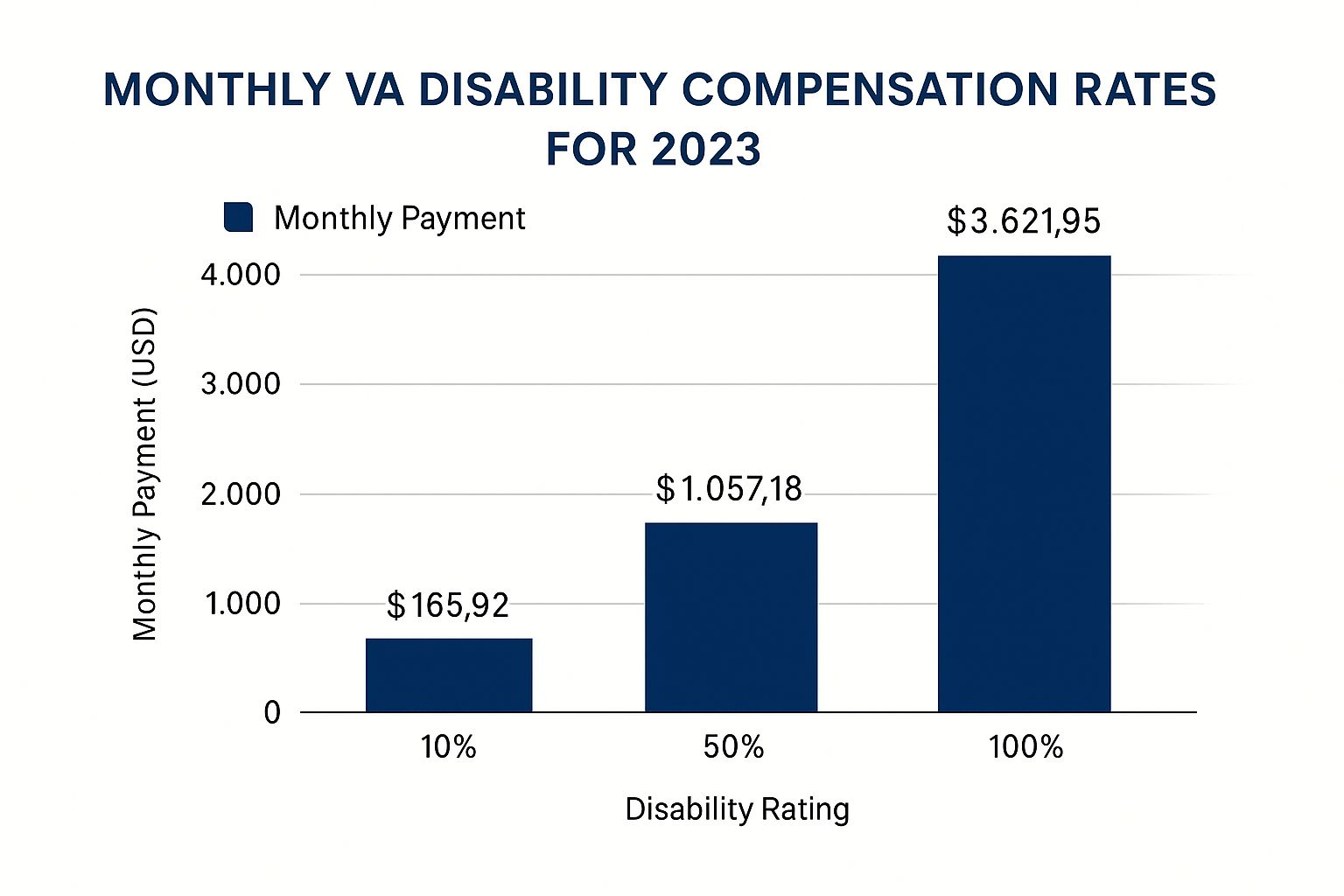
The accompanying infographic visually represents the 2023 VA disability compensation rates, showcasing the direct correlation between disability rating and monthly payment amount. As the chart clearly depicts, the compensation increases incrementally with each 10% increase in the disability rating.
This benefit isn’t a one-size-fits-all solution. It offers scaled compensation based on the disability rating assigned by the VA. This rating, from 10% to 100%, determines the amount of the monthly payment. For example, in 2023, a 10% disability rating resulted in a monthly payment of $165.92, while a 100% rating provided $3,621.95. Importantly, VA Disability Compensation can be combined with other benefits, such as Social Security, further enhancing financial stability. Additionally, dependents of veterans with certain disability ratings may qualify for additional benefits, providing crucial support for the entire family. For veterans with specific severe disabilities, there's also Special Monthly Compensation, an additional monthly payment above and beyond the standard compensation rate.
Pros:
- Consistent Monthly Income: Provides reliable financial support for managing disability-related expenses.
- No Application Deadline: Veterans can apply for VA Disability Compensation at any time after separating from service.
- Retroactive Payments: If eligible, veterans can receive retroactive payments dating back to the claim filing date.
- No Impact from Other Income: VA Disability Compensation is not affected by other income sources, such as retirement benefits or employment earnings.
Cons:
- Complex Application Process: Navigating the VA claims system can be challenging, requiring meticulous documentation and understanding of the process.
- Extensive Medical Documentation: Substantiating the claim often requires gathering comprehensive medical records linking the disability to military service.
- Lengthy Appeals Process: If a claim is denied, the appeals process can be time-consuming, potentially lasting months or even years.
- Subjectivity of Rating Decisions: The assigned disability rating may not always fully reflect the actual impact of the disability on the veteran's daily life.
Tips for Applying:
- Work with a Veterans Service Officer (VSO): VSOs are trained professionals who can provide free assistance with navigating the claims process, gathering documentation, and representing veterans during appeals.
- Gather All Medical Records: Compile all relevant medical records before filing the claim to ensure a complete and accurate application.
- Be Specific: Clearly and thoroughly describe how your disabilities affect your daily life, including specific limitations and challenges.
- Request Your C-File: Consider requesting a copy of your C-File (your official military personnel file) before filing an appeal to understand the basis of previous decisions and identify potential areas for strengthening your case.
When considering benefits for disabled veterans, VA Disability Compensation is a foundational resource. Understanding the application process, the rating system, and the potential benefits can empower veterans to secure the financial support they deserve for their service-connected disabilities. For more information and to apply, visit the VA website (www.va.gov). Remember, seeking assistance from a VSO is highly recommended to navigate the complexities of the application and appeals processes effectively.
2. VA Health Care System
The VA Health Care System, operated by the Veterans Health Administration (VHA), stands as a cornerstone benefit for disabled veterans, earning its place on this list due to its comprehensive and specialized approach to veteran healthcare. It's the largest integrated healthcare system in the United States, specifically designed to address the unique needs of veterans, particularly those with disabilities. The system prioritizes care for service-connected disabilities – those resulting from or aggravated by military service – while also offering a full spectrum of medical services comparable to civilian healthcare systems. This means veterans can receive treatment for everything from routine check-ups and chronic conditions to complex surgical procedures and mental health support, all within a system designed to understand their specific experiences and challenges.
The VHA operates through a network of VA medical centers, outpatient clinics, and community providers, ensuring accessibility for veterans across the country. Key features include specialized care for service-connected disabilities, coverage for medications, prosthetics, and adaptive equipment, and dedicated programs for conditions such as traumatic brain injury (TBI), post-traumatic stress disorder (PTSD), and other combat-related conditions. This specialized approach is crucial for veterans facing these unique challenges, offering expertise and resources often unavailable in civilian settings. For example, the Polytrauma System of Care provides comprehensive rehabilitation for veterans with multiple traumatic injuries, while the VA's Spinal Cord Injuries and Disorders System offers lifelong support for affected veterans. These programs exemplify the VHA's commitment to providing targeted care for specific disability needs.
Among the significant advantages of the VA Health Care System are the no- or low-cost care for service-connected conditions, the integrated electronic health records system accessible across all VA facilities, and the specialized expertise in military-related health issues. This integrated system streamlines care and ensures consistent medical information is available regardless of location. Comprehensive rehabilitation services are also a significant benefit, assisting veterans in regaining function and independence after injury or illness.
However, the system also faces challenges. Wait times can be lengthy in some locations, and the quality of care can vary between facilities. Distance to facilities can also pose a difficulty for rural veterans. Some specialized treatments might require referrals, adding another layer to the process. Despite these challenges, the VA Health Care System remains a vital resource for disabled veterans.
For veterans seeking benefits for disabled veterans, enrolling in VA health care is essential, even if you have other insurance. It's a critical step in accessing the specific services and support available through the VHA. Apply for travel reimbursement for medical appointments to mitigate the financial burden of traveling to VA facilities. Utilize the VA's online patient portal (My HealtheVet) to manage appointments, refill prescriptions, and communicate securely with your healthcare team. Also, consider the MISSION Act options for receiving care from community providers when appropriate, especially if accessing a VA facility is difficult due to location or wait times. The VA Health Care System is a valuable resource for veterans with disabilities, offering specialized care and support tailored to their unique needs.
3. Veteran Readiness and Employment (VR&E)
Veteran Readiness and Employment (VR&E), formerly known as Vocational Rehabilitation and Employment, is a crucial benefit for disabled veterans aiming to re-enter the workforce or achieve greater independence in their daily lives. This program deserves a prominent place on any list of benefits for disabled veterans because it offers personalized support and resources tailored to each individual's unique circumstances. VR&E helps veterans with service-connected disabilities prepare for, find, and maintain suitable employment or, for those with more severe disabilities, achieve independence in daily living. This program can be a lifeline for veterans navigating the challenges of transitioning back to civilian life after experiencing a disability.
How VR&E Works:
VR&E provides comprehensive services, including:
- Personalized employment counseling and planning: A dedicated vocational rehabilitation counselor works one-on-one with the veteran to develop a personalized rehabilitation plan based on their skills, interests, and career goals.
- Education and training for new career paths: VR&E can fund tuition, fees, books, supplies, and equipment for approved training programs, including undergraduate and graduate degrees, vocational certifications, and on-the-job training. This can open doors to entirely new career opportunities for veterans whose disabilities prevent them from returning to their previous occupations.
- Job placement assistance and workplace accommodations: The program assists veterans in finding suitable employment and can also help secure necessary workplace accommodations, such as adaptive equipment or modified work schedules.
- Independent living services for severely disabled veterans: For veterans whose disabilities prevent them from pursuing traditional employment, VR&E can provide support for independent living skills, such as meal preparation, personal care, and community integration.
- Self-employment support: Veterans interested in starting their own businesses can receive guidance and financial assistance through VR&E's self-employment track.
Examples of Successful Implementation:
- A veteran with PTSD receiving funding for a master's degree in counseling, along with accommodations for classroom participation, like extended test time or a designated quiet space.
- An amputee veteran receiving training on how to use advanced prosthetic equipment and subsequent job placement assistance in their chosen field of engineering.
Pros and Cons of VR&E:
Pros:
- Covers tuition, fees, books, supplies, and equipment for approved training programs.
- Provides a monthly housing allowance during training periods, comparable to the Post-9/11 GI Bill housing allowance.
- Offers one-on-one support from experienced vocational rehabilitation counselors.
- May pay for adaptive equipment needed for employment or independent living.
Cons:
- Limited to 48 months of benefits (although extensions may be granted in certain circumstances).
- Training must be approved as part of the individual rehabilitation plan.
- May require full-time participation in program activities.
- Eligibility requirements can be complex, and navigating the application process can be challenging.
Tips for Utilizing VR&E:
- Apply early: Apply within 12 years of receiving your VA disability rating for the best chance of eligibility.
- Collaborate with your counselor: Work closely with your VR&E counselor to develop a comprehensive and realistic rehabilitation plan.
- Maintain open communication: Communicate any changes in your circumstances or goals to your counselor promptly.
- Think long-term: Consider how the program can help you achieve long-term career goals, including advanced degrees or specialized certifications.
When and Why to Use VR&E:
VR&E is a valuable resource for any disabled veteran who is struggling to find or maintain employment, or who needs support to achieve greater independence due to their service-connected disability. Whether you are seeking to transition to a new career, adapt your current skills to accommodate your disability, or learn essential independent living skills, VR&E can provide the personalized support and resources you need to succeed. It's especially relevant for veterans appealing VA claims, dealing with toxic exposure effects, or navigating medical malpractice claims as these situations can significantly impact their ability to work.
(Unfortunately, a direct website link for VR&E is not consistently provided across VA resources. Searching for "VA Veteran Readiness and Employment" will yield the most current and relevant official resources.)
4. VA Adaptive Housing Grants
One of the most significant benefits for disabled veterans is access to VA Adaptive Housing Grants. These grants provide financial assistance for veterans to purchase or modify homes to accommodate service-connected disabilities. The goal is to enhance independence and improve quality of life by creating a safe and accessible living environment. This benefit deserves its place on the list due to its potential to dramatically improve a disabled veteran's daily living experience.
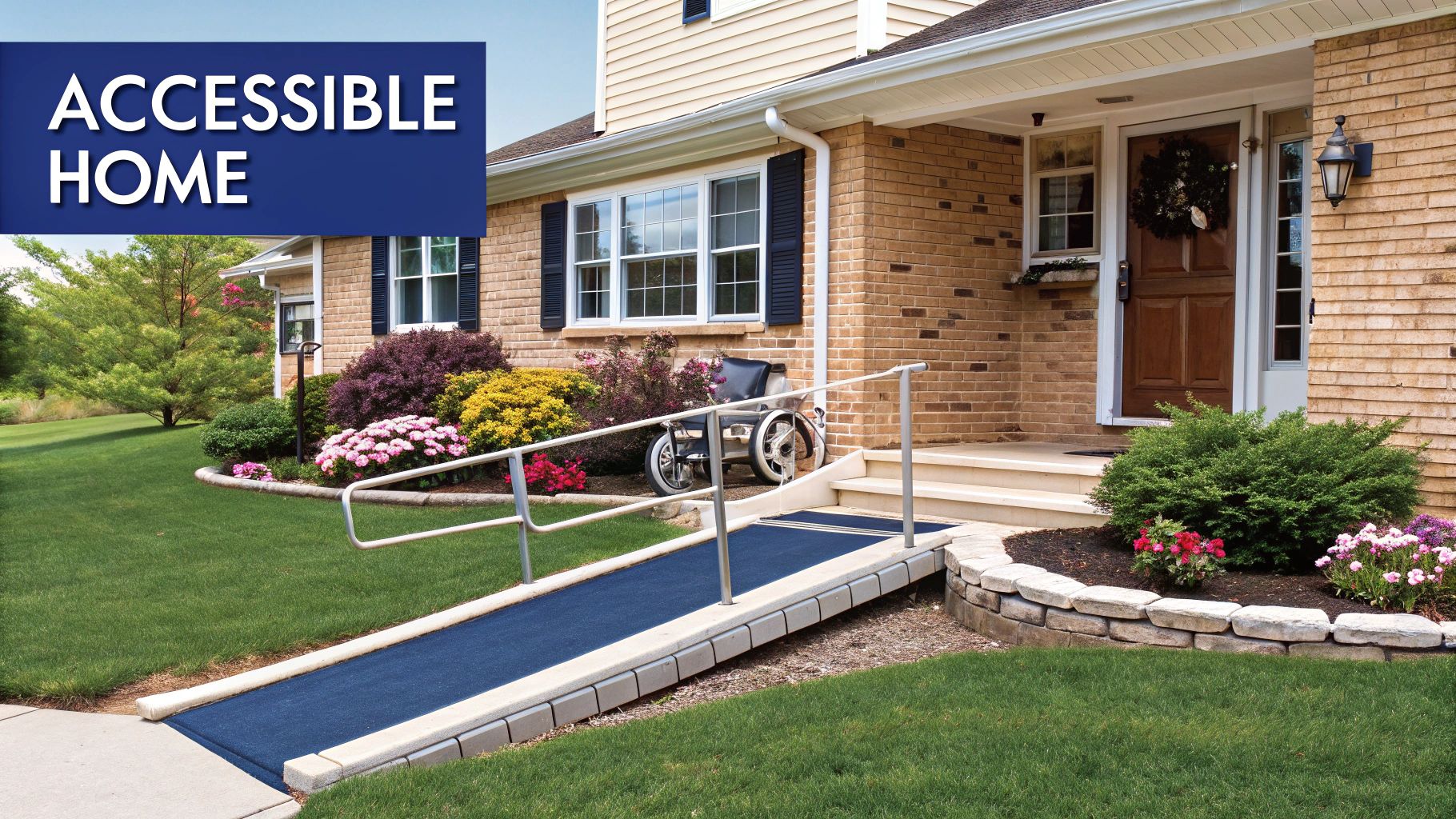
The VA offers three primary grant programs under the adaptive housing umbrella:
-
Specially Adapted Housing (SAH) Grant: This grant provides substantial financial assistance (up to $109,986 in FY2023) for veterans with severe service-connected disabilities, such as the loss or loss of use of two extremities, blindness, or severe burns. The SAH grant can be used to build a new specially adapted home, purchase an existing adapted home, or remodel an existing home to meet accessibility needs.
-
Special Housing Adaptation (SHA) Grant: For veterans with specific service-connected disabilities, the SHA grant (up to $22,036 in FY2023) helps adapt an existing home. This grant can be used to accommodate disabilities such as the loss or loss of use of one extremity, severe burns, or respiratory issues.
-
Temporary Residence Adaptation (TRA) Grant: This grant helps modify the home of a family member where the veteran is temporarily residing, allowing for necessary adaptations while the veteran recovers.
These grants can fund a wide range of adaptations focused on mobility, accessibility, and safety. Examples include:
- Installing wheelchair ramps and widening doorways
- Adapting bathrooms for accessibility
- Adding stair lifts, lowered countertops, and grab bars
- Integrating voice-activated systems for easier control of appliances and electronics
Pros:
- Multiple Uses: SAH and SHA grants can be used multiple times up to the maximum allowance, allowing for adjustments as needs change.
- Versatile Application: The grants can be used for purchasing, remodeling, or new construction.
- No Impact on Other Benefits: Receiving these grants doesn't affect disability compensation or other VA benefits.
- No Repayment Required: These are grants, not loans, and do not need to be repaid.
Cons:
- Complex Application: The application and approval process can be complex and time-consuming.
- Specific Eligibility Requirements: Grants are limited to veterans with specific qualifying service-connected disabilities.
- May Not Cover Full Costs: The grant might not cover the entire cost of necessary adaptations.
- VA-Approved Contractors: Adaptations must be completed by VA-approved contractors.
Tips for Applying:
- Work with a SAH Agent: A SAH agent from the VA can provide invaluable assistance throughout the application and adaptation process.
- Multiple Contractor Quotes: Obtain multiple quotes from VA-approved contractors to ensure competitive pricing and quality workmanship.
- Consider Future Needs: When planning modifications, anticipate future needs to avoid requiring additional adaptations later.
- Apply Early: The application process can take time, so apply as early as possible.
For more information and to apply, visit the Department of Veterans Affairs website and search for "Specially Adapted Housing Grant". These grants can significantly improve the lives of disabled veterans, offering crucial support for independent living. They are a valuable benefit for those who have sacrificed for their country and now face mobility challenges due to service-connected disabilities.
5. VA Caregiver Support Program
The VA Caregiver Support Program is a vital resource for disabled veterans who require assistance with daily living activities. This program recognizes that the burden of care often falls on family members and friends, and it aims to provide them with the support, resources, and financial assistance they need. This benefit deserves its place on this list because it directly addresses the well-being of both the veteran and their caregiver, ultimately improving the quality of life for everyone involved. This program is particularly important for those veterans pursuing other benefits for disabled veterans, such as claims appeals, toxic exposure claims, or medical malpractice claims, as the stress of these processes can significantly increase the need for caregiver support.
This program operates on different levels, with the core program offering general support and the Program of Comprehensive Assistance for Family Caregivers (PCAFC) providing enhanced support for veterans with serious injuries incurred or aggravated during military service. The PCAFC is geared towards post-9/11 veterans with severe needs.
How it Works:
The program connects caregivers with a local VA Caregiver Support Coordinator who assesses the veteran's needs and the caregiver's eligibility. Depending on the level of support needed, the caregiver might receive:
- Monthly stipend payments: The PCAFC specifically provides financial assistance to primary caregivers. The stipend amount varies based on factors like the veteran's level of need and the geographic cost of living. This financial support can be crucial for caregivers who have to reduce or stop working to provide care.
- Access to health insurance through CHAMPVA: This benefit is incredibly valuable for caregivers who might otherwise be uninsured.
- Mental health counseling services: Caregiving can be emotionally and mentally taxing. The program offers counseling to help caregivers cope with stress, burnout, and other mental health challenges.
- Respite care options (up to 30 days per year): Respite care provides temporary relief for caregivers, allowing them to take breaks, attend to personal matters, or simply recharge.
- Caregiver training and education: The program equips caregivers with the skills and knowledge they need to provide effective care, including training on medical procedures, medication management, and other relevant topics.
Examples of Successful Implementation:
- A spouse providing full-time care for a veteran paralyzed due to a service-connected injury receives a $2,500 monthly stipend through the PCAFC, enabling them to stay home and provide the necessary care without financial hardship.
- VA staff facilitates caregiver support groups, creating a safe space for caregivers to connect with their peers, share experiences, reduce feelings of isolation, and develop coping strategies for burnout. This is especially helpful for those dealing with the added pressures of claims appeals or ongoing medical treatments.
Pros:
- Recognizes and financially supports the essential role of caregivers.
- Provides healthcare benefits for otherwise uninsured caregivers.
- Offers comprehensive support beyond financial assistance.
- Improves quality of life for both veterans and caregivers.
Cons:
- Strict eligibility requirements, particularly for the PCAFC, which have changed over time.
- Periodic reassessments that may result in benefit changes.
- Stipend amounts vary based on veteran's needs and geographic location.
- The program has faced implementation challenges, including backlogs and processing delays.
When and Why to Use This Approach:
If you are a caregiver of a disabled veteran, exploring the VA Caregiver Support Program is crucial. It's especially important if the veteran requires extensive assistance with daily activities or if the caregiver has had to make significant sacrifices, such as reducing work hours or giving up employment altogether. Even if you don't qualify for the PCAFC, the core program can still offer valuable resources and support.
Actionable Tips:
- Contact your local VA Caregiver Support Coordinator to explore options. https://www.caregiver.va.gov/support/New_CSC.asp
- Document all caregiving activities and needs thoroughly. This is vital for demonstrating the level of care required and securing appropriate benefits.
- Utilize respite care benefits to prevent burnout.
- Join peer support groups for emotional support and advice. These groups can be a lifeline during challenging times, especially when navigating complex claims processes.
Popularized By:
- Elizabeth Dole Foundation
- Department of Veterans Affairs
6. VA Automobile Allowance and Adaptive Equipment
The VA Automobile Allowance and Adaptive Equipment program is a significant benefit for disabled veterans, rightfully earning its place on this list of essential resources. This program provides crucial financial assistance and ongoing support to veterans with specific service-connected disabilities that impair their mobility. It aims to restore independence and improve quality of life by helping veterans acquire adapted vehicles and necessary driving equipment. This is particularly important for veterans seeking benefits for disabled veterans as it directly addresses the challenges of daily living and participation in the community.
This benefit works in two parts:
-
One-Time Automobile Allowance: Eligible veterans receive a one-time payment (up to $24,449.22 for FY2023) to assist with the purchase of a new or used vehicle. This allowance can significantly offset the cost of a vehicle modified or designed to accommodate their specific disabilities.
-
Adaptive Equipment and Ongoing Support: The program also provides ongoing coverage for the purchase, repair, replacement, and reinstallation of necessary adaptive equipment. This ensures that veterans have continued access to the tools and modifications they need to operate their vehicles safely and independently. This includes coverage for:
- Repair and Replacement: If adaptive equipment breaks down or wears out, the VA will cover the cost of repairs or replacement.
- Reinstallation: If a veteran purchases a new vehicle, the VA will cover the cost of reinstalling the adaptive equipment.
Who is Eligible?
This benefit is available to veterans with specific service-connected disabilities, including:
- Loss, or loss of use, of one or both hands or feet.
- Permanent impairment of vision of both eyes to a certain degree.
- Severe burns that affect mobility.
Examples of Adaptive Equipment:
The range of adaptive equipment covered is extensive and tailored to individual needs. Examples include:
- Hand controls for accelerating and braking
- Wheelchair lifts and securing systems
- Reduced effort steering systems
- Digital driving controls for amputees
Pros:
- Substantial Financial Assistance: The one-time allowance offers significant financial help in acquiring an adapted vehicle.
- Lifetime Coverage for Adaptive Equipment: Ongoing coverage for necessary equipment ensures long-term mobility independence.
- Can be Combined with State Programs: This benefit can often be used in conjunction with state programs, maximizing financial assistance.
- Includes Driver Training: The program covers driver training for adapted vehicles, promoting safe vehicle operation.
Cons:
- One-Time Allowance May Not Cover Full Vehicle Cost: Depending on the vehicle and necessary modifications, the allowance may not cover the entire purchase price.
- Limited to Specific Qualifying Disabilities: Not all service-connected disabilities qualify for this program.
- May Require Specialized Evaluation and Documentation: The application process requires thorough documentation and potentially specialized evaluations to establish eligibility.
- Adaptation Process Can Be Lengthy: The process of adapting a vehicle can take time, impacting the immediacy of receiving the adapted vehicle.
Tips for Utilizing this Benefit:
- Work with a VA driver rehabilitation specialist: These specialists can provide valuable guidance in selecting appropriate adaptations and navigating the application process.
- Research specialized vehicle manufacturers: Explore manufacturers who specialize in adaptive vehicles to find the best fit for your needs.
- Consider future needs when selecting adaptations: Anticipate potential changes in your mobility needs when choosing adaptive equipment.
- Explore additional funding through nonprofit organizations: Several organizations offer financial assistance for veterans seeking vehicle modifications.
Why This Benefit Deserves Its Place:
The VA Automobile Allowance and Adaptive Equipment program directly addresses the mobility challenges faced by many disabled veterans. It empowers them to regain independence, participate more fully in their communities, and improve their overall quality of life. For veterans seeking benefits for disabled veterans, this program can be truly transformative. For more information, visit the U.S. Department of Veterans Affairs website. (Note: While this link directs to the general VA disability page, it’s the closest general link. Specific program pages often change URLs. It's recommended to search "VA Automobile Allowance" on the VA site for the most up-to-date information.)
7. Property Tax Exemptions: Reducing the Burden of Homeownership for Disabled Veterans
One of the most significant benefits for disabled veterans is the potential for substantial property tax relief. Property tax exemptions, offered by many states, can significantly reduce or even eliminate the financial burden of property taxes for eligible veterans. This can free up thousands of dollars annually, providing crucial financial breathing room for those facing service-connected disabilities. This benefit deserves its place on the list because it addresses a major ongoing expense – housing – offering long-term financial stability.
How Property Tax Exemptions Work:
These programs work by reducing the assessed value of a veteran's property, thereby lowering or eliminating the property tax owed. The specific amount of the exemption varies widely based on several factors:
- State of Residence: Each state establishes its own rules and eligibility criteria for property tax exemptions for disabled veterans. Some states offer minimal relief, while others provide full exemptions for veterans with 100% disability ratings. This variation underscores the importance of researching your specific state's program.
- County/Municipality: Even within a state, specific counties or municipalities may have their own additional provisions or limitations regarding property tax exemptions.
- Disability Rating: The extent of the tax benefit is often tied to the veteran's disability rating assigned by the Department of Veterans Affairs (VA). Higher disability ratings generally qualify for greater exemptions.
- Type of Disability: Some states may restrict exemptions to specific types of service-connected disabilities.
- Property Value Caps: Certain jurisdictions may place caps on the property value eligible for exemption. This means that even with a full exemption percentage, the actual dollar amount of the benefit may be limited for higher-value properties.
Examples of State Property Tax Exemptions:
- Texas: Offers a 100% property tax exemption for veterans with a 100% VA disability rating. This represents a powerful example of comprehensive tax relief for severely disabled veterans.
- Florida: Provides exemptions ranging from $5,000 to a full exemption, depending on the veteran’s disability rating. This tiered system allows for varying levels of support based on the severity of the disability.
- Illinois: Offers a homestead exemption of up to $110,000 for qualifying disabled veterans, reducing the assessed value of their property and consequently their tax burden.
Pros and Cons:
Pros:
- Significant Cost Savings: Potentially saving thousands of dollars annually, significantly impacting a veteran’s financial well-being.
- Permanent Benefit: Once established, the exemption typically continues year after year, providing ongoing relief.
- Survivability: In many states, the exemption continues for the surviving spouse, ensuring long-term financial stability for the family.
- Simplified Maintenance: Once approved, maintaining the exemption is generally a simple process, often requiring minimal annual recertification.
Cons:
- State-Specific Variations: The wide range of benefits between states creates significant disparities in the level of support available to disabled veterans.
- Recertification Requirements: Some jurisdictions require annual recertification, which can be burdensome for some veterans.
- Eligibility Restrictions: Limitations based on disability type or rating can exclude some deserving veterans from receiving benefits.
- Property Value Caps: Caps on property value can limit the benefit for veterans with higher-value homes.
Actionable Tips for Disabled Veterans:
- Contact Your County Tax Assessor: This is your first point of contact to determine specific eligibility requirements and application procedures in your locality.
- Meet Application Deadlines: Be aware of local deadlines for submitting applications, which are often early in the calendar year.
- Maintain Disability Documentation: Keep your VA disability rating documentation current and readily available for submission.
- Consider Property Tax Benefits When Relocating: If considering a move, research property tax exemptions in potential destinations as this can significantly impact your overall housing costs.
Why This Benefit Matters:
Property tax exemptions are a vital form of financial support for disabled veterans, helping them manage the costs of homeownership and maintain financial stability. This benefit recognizes the sacrifices made by these veterans and provides tangible assistance in addressing their ongoing financial needs. This is especially relevant for veterans navigating VA claim appeals, dealing with toxic exposure effects, pursuing medical malpractice claims, planning their estates and finances, managing the aftermath of motor vehicle accidents, or seeking workers' compensation for work injuries. Similar to how first responders seek compensation for their sacrifices, property tax exemptions acknowledge the dedication of disabled veterans. While the specific implementation varies greatly by location, the potential for substantial financial relief makes this benefit a critical resource for eligible disabled veterans.
Benefits Comparison of Top 7 Veteran Programs
| Benefit | Implementation Complexity 🔄 | Resource Requirements ⚡ | Expected Outcomes 📊 | Ideal Use Cases 💡 | Key Advantages ⭐ |
|---|---|---|---|---|---|
| VA Disability Compensation | Moderate to High: complex application, medical docs, possible long appeals | Low to Moderate: documentation, VSO assistance | Consistent tax-free monthly income scaled to disability | Veterans with service-connected disabilities needing financial support | Reliable, retroactive payments; unaffected by other income |
| VA Health Care System | Moderate: enrollment, referrals, travel logistics | Moderate to High: access to facilities and specialists | Comprehensive medical care, specialized treatment | Veterans requiring ongoing healthcare for service-related conditions | Low/no-cost care, extensive specialized services |
| Veteran Readiness and Employment (VR&E) | Moderate to High: eligibility review, approved training | High: training costs, counseling, equipment | Employment readiness, vocational training, independence | Veterans seeking career support or independent living assistance | Financial support for education, personalized counseling |
| VA Adaptive Housing Grants | High: complex approval, contractor coordination | Moderate: grant application, planning, contractor quotes | Improved home accessibility and safety | Severely disabled veterans needing home modifications | Large tax-free grants; multiple uses; no repayment required |
| VA Caregiver Support Program | High: eligibility assessments, ongoing monitoring | Moderate: documentation, caregiver training | Financial support and resources for caregivers | Caregivers of seriously injured veterans | Monthly stipends, health benefits, mental health support |
| VA Automobile Allowance & Adaptive Equipment | Moderate: medical certification, specialized evaluation | Moderate: one-time vehicle allowance, equipment maintenance | Mobility independence through vehicle purchase and adaptation | Veterans with severe limb loss, blindness, or burns | Substantial aid for vehicle purchase; lifetime equipment coverage |
| Property Tax Exemptions | Low to Moderate: varies by state, requires annual recertification | Low: documentation, application | Financial relief via reduced or eliminated property taxes | Disabled veterans owning property, seeking long-term savings | Significant tax savings, often transferable to surviving spouses |
Navigating Benefits with Homefront Group
Securing the right benefits for disabled veterans can feel like navigating a complex maze. From VA disability compensation and healthcare to adaptive housing grants and property tax exemptions, understanding the nuances of each program is crucial. This article has highlighted key benefits available, including support for caregivers, adaptive equipment, and even resources like the Veteran Readiness and Employment (VR&E) program. Mastering these concepts empowers you to access the full range of support you’ve earned through your service. This can significantly impact your financial stability, healthcare access, and overall quality of life.
Beyond the core benefits discussed, effective financial planning is also paramount. For veterans seeking expert guidance in specific areas like finance, operations, or marketing, consider exploring fractional executive services. These services, as outlined in Unlock Growth with Fractional Executive Services from Shiny, offer specialized support on a flexible basis, which can be ideal for navigating the complexities of veteran benefits and financial planning.
Successfully navigating the claims process is often the biggest hurdle to receiving benefits for disabled veterans. Don't let the complexities discourage you. Homefront Group specializes in assisting veterans with legal matters and claims, providing the expertise needed to secure your entitled benefits. Take control of your future. Start by exploring your options with Homefront Group's quick, 3-minute quiz and consider scheduling a free consultation for personalized guidance. Homefront Group stands ready to empower you in securing the benefits you deserve and building a brighter future.